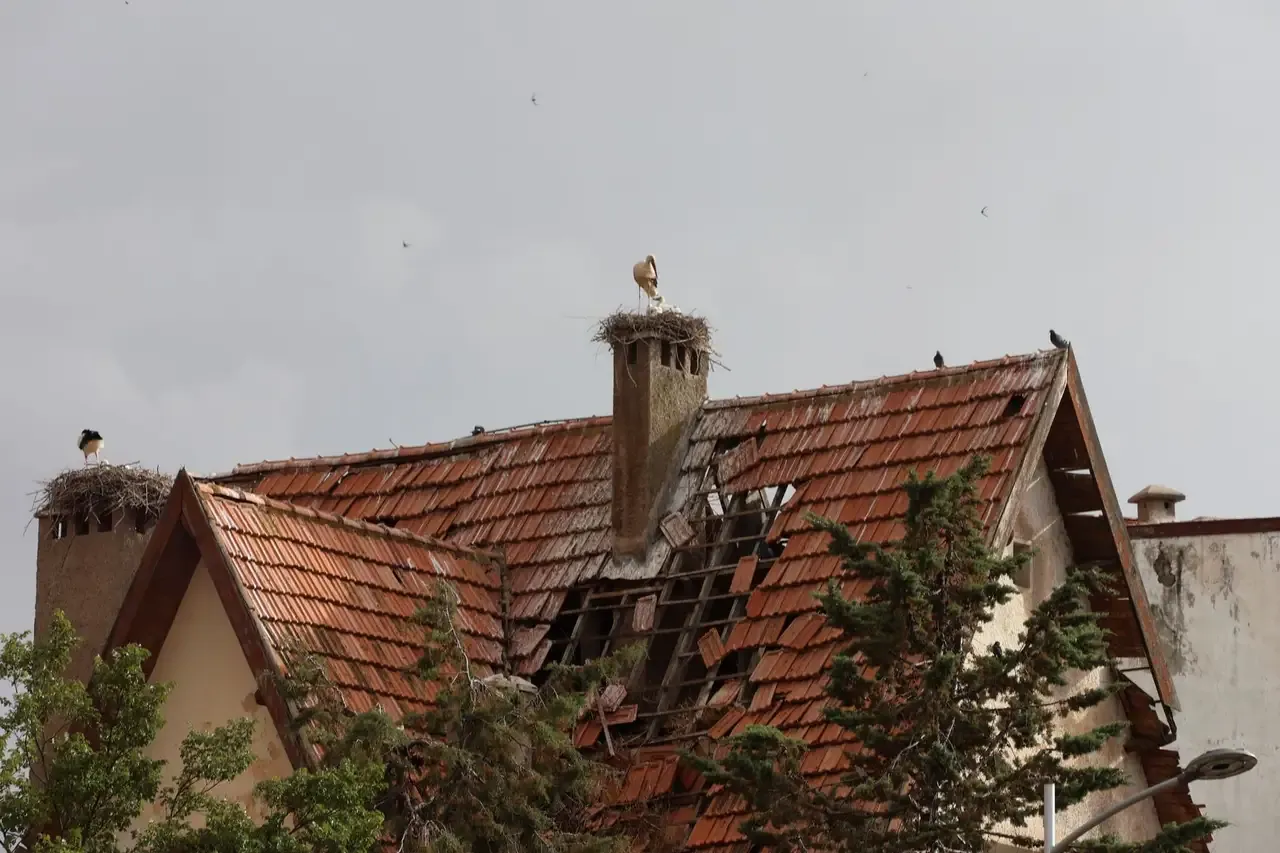
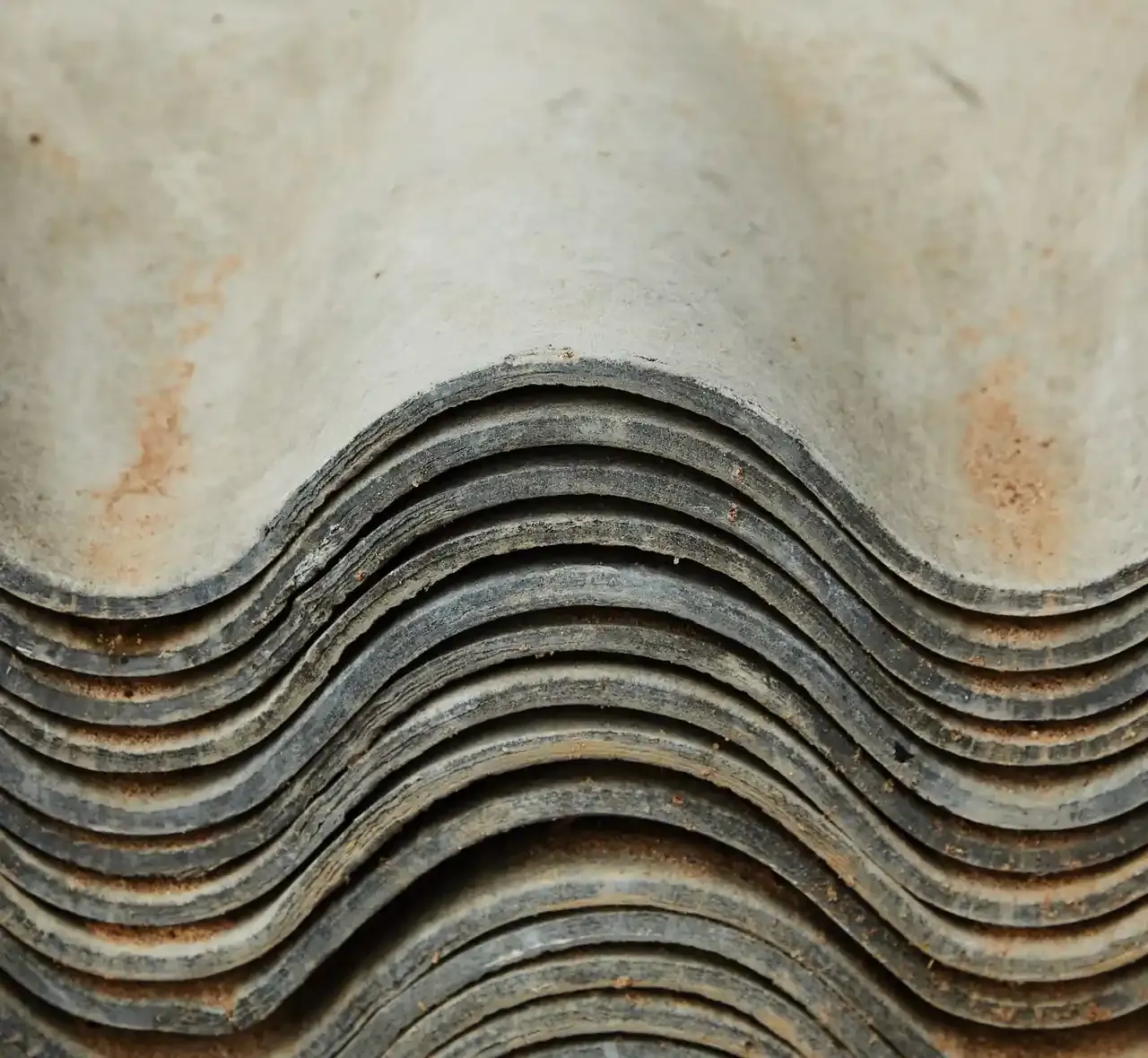
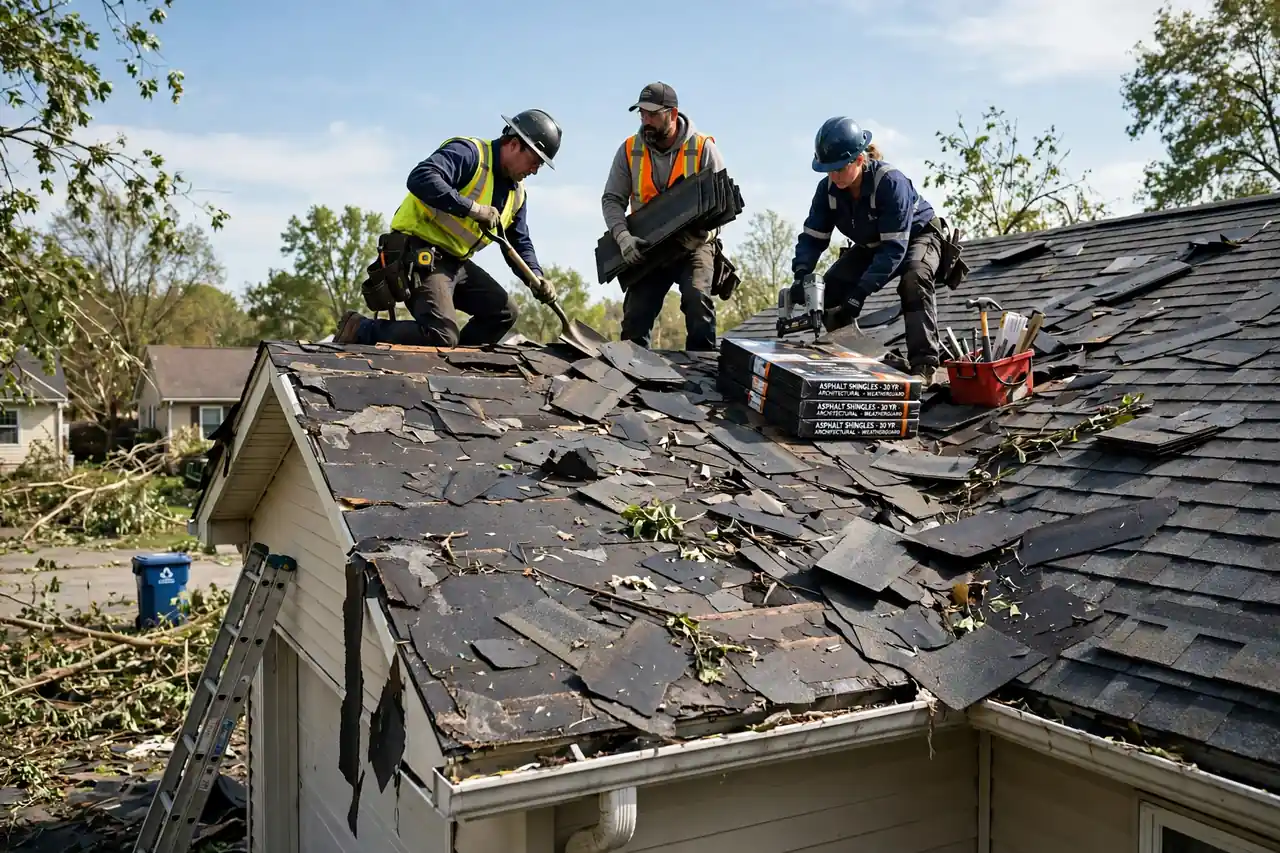
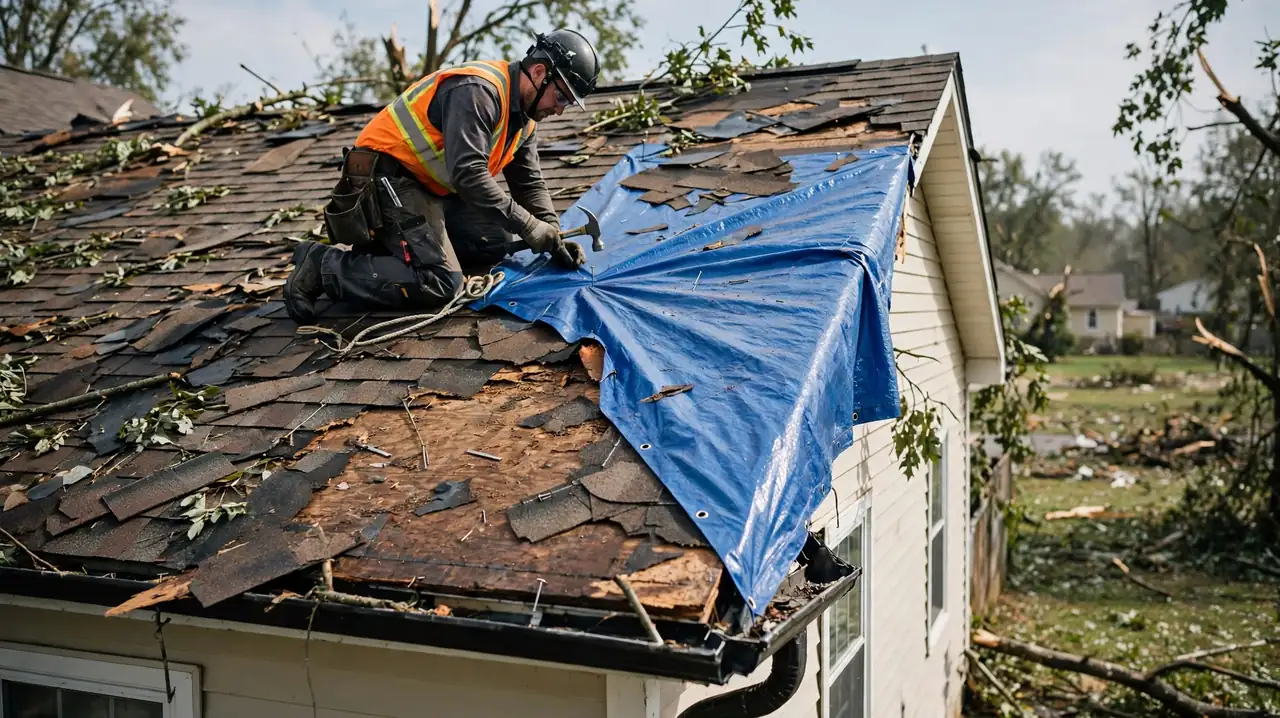
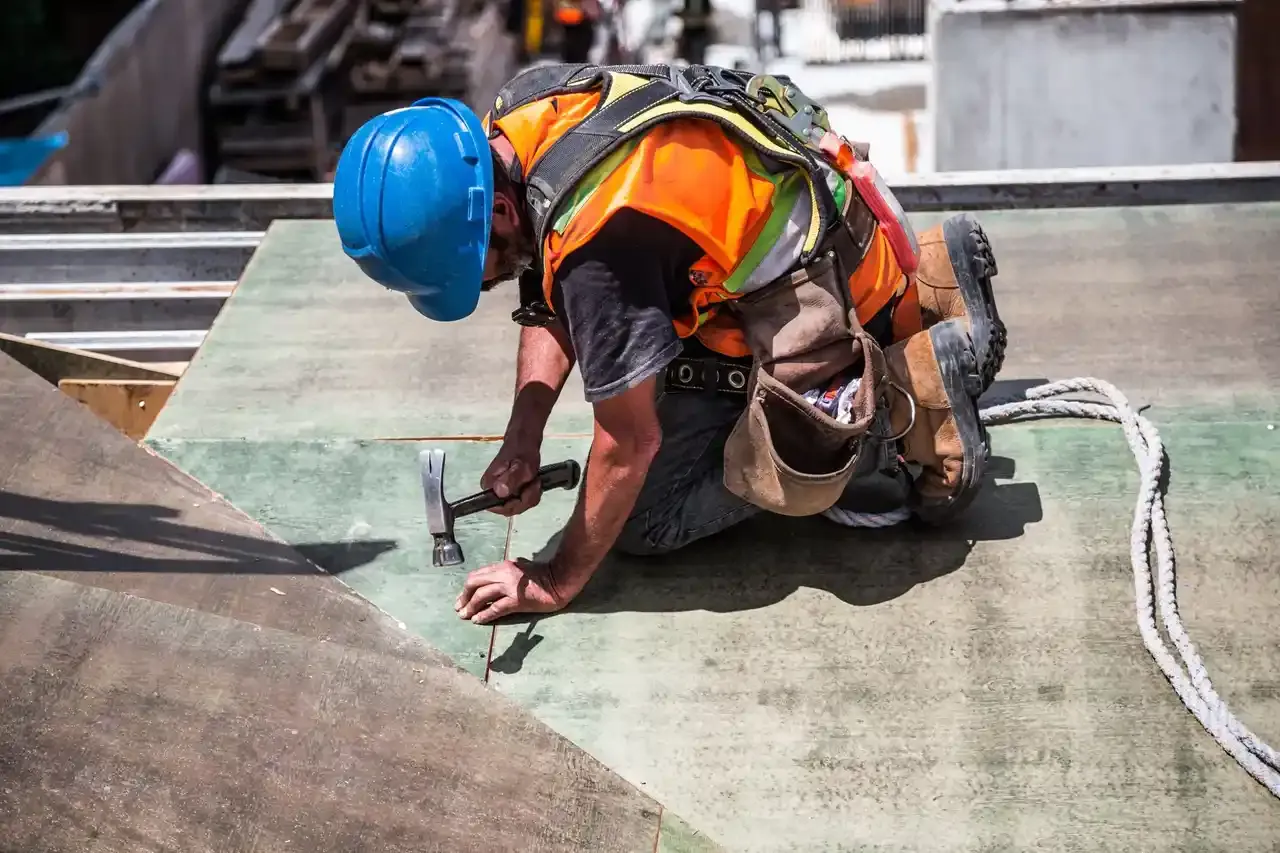
Roof tear-off and replacement Tomball TX gives homeowners and property managers a complete reset when leaks, storm damage, or aging shingles reach the roof deck. We remove the old covering, inspect the structure, and install a matched roofing system built for your property. If patching keeps revealing new trouble, Tomball roof tear-off and replacement addresses the layers beneath the visible damage, not just the symptoms.
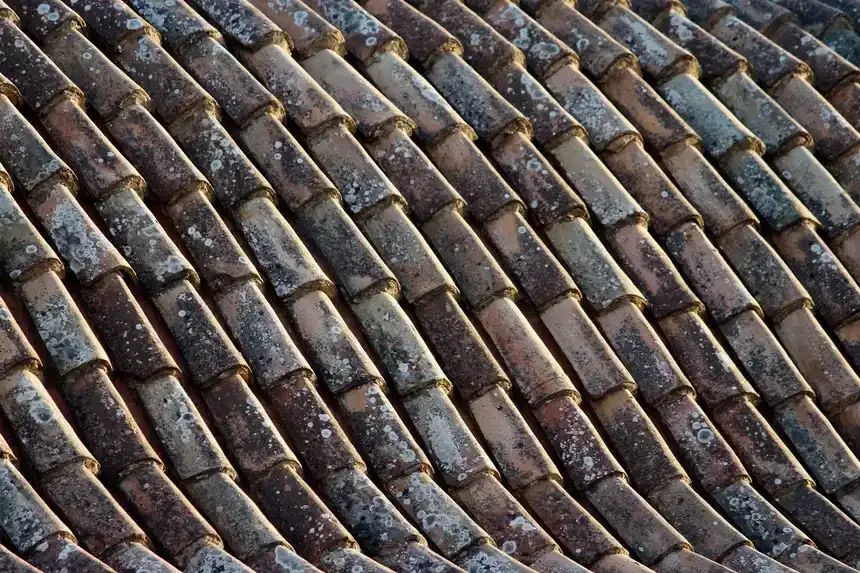
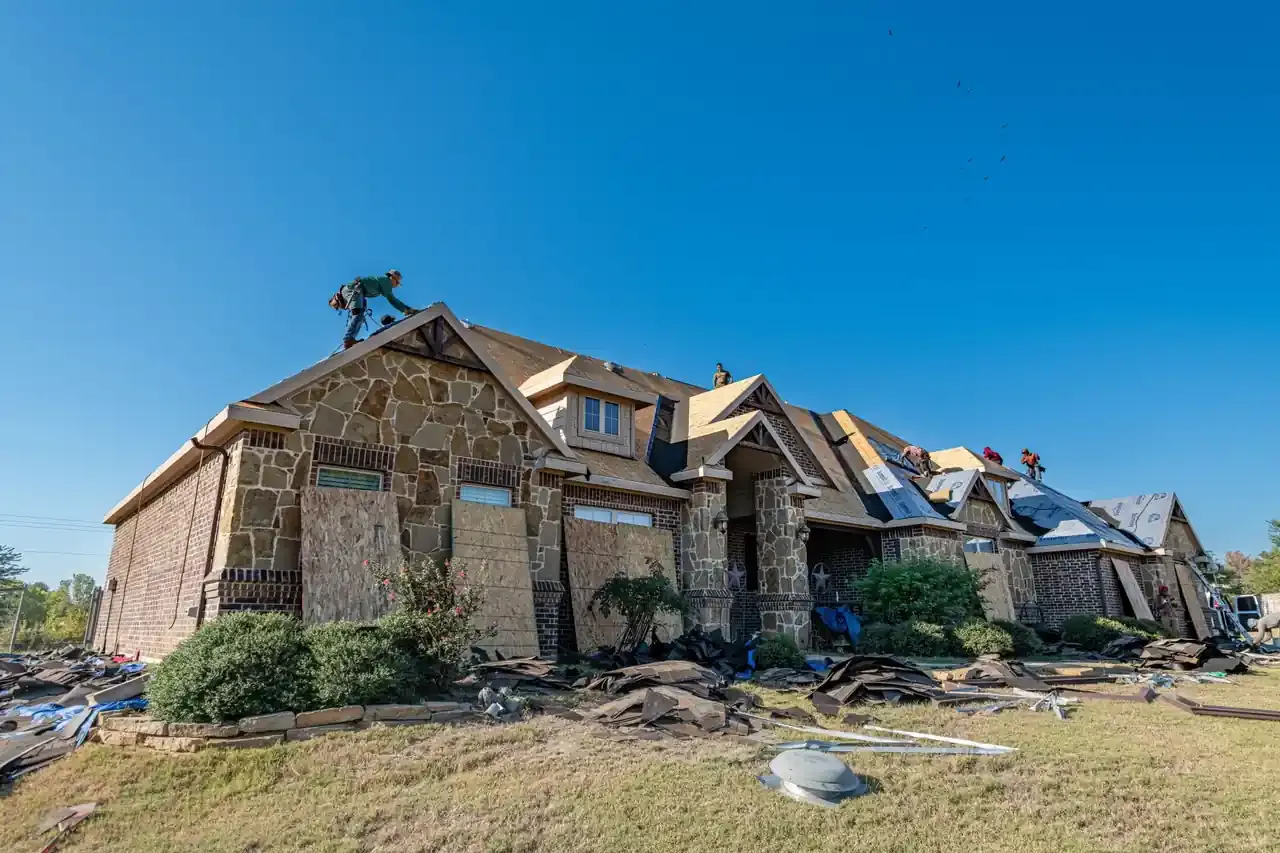
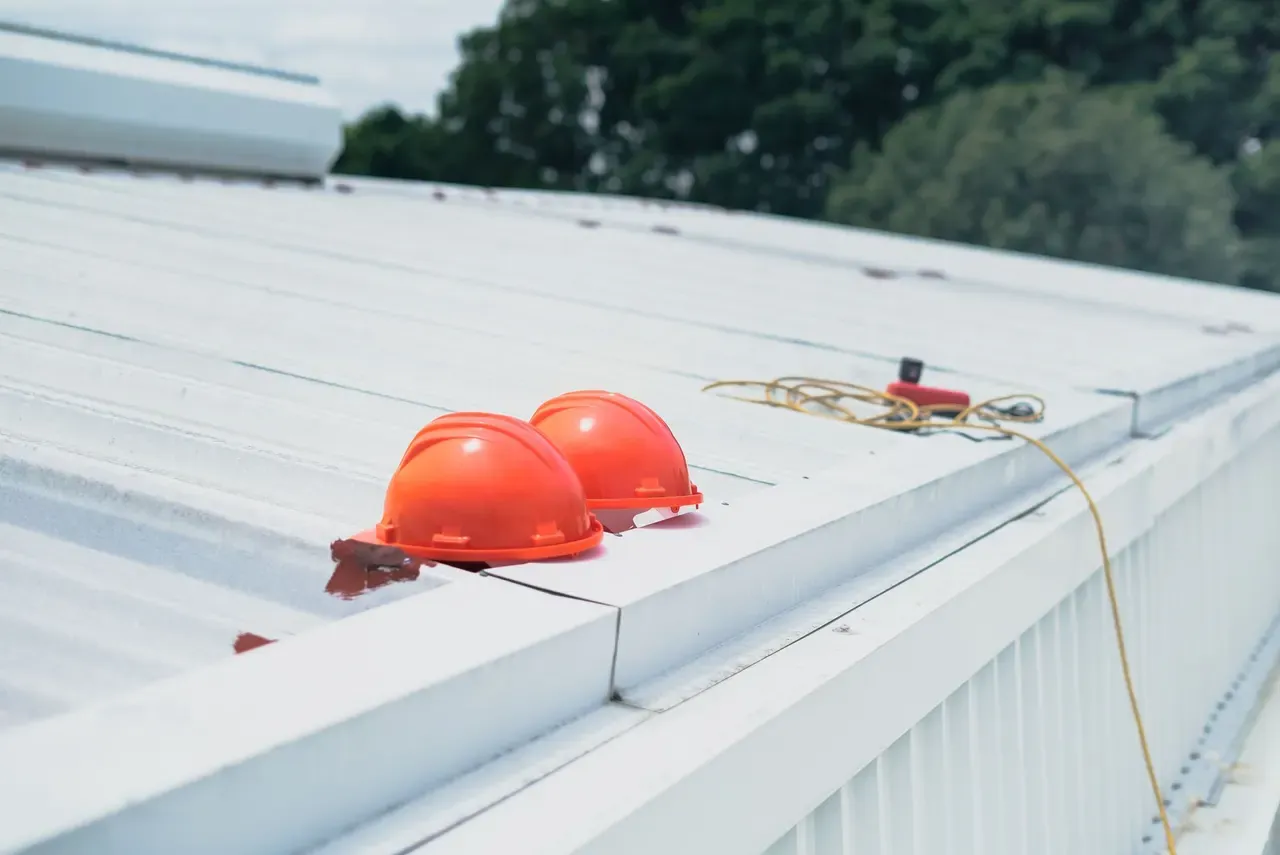
Covered work zonesWe protect nearby surfaces before tear-off.
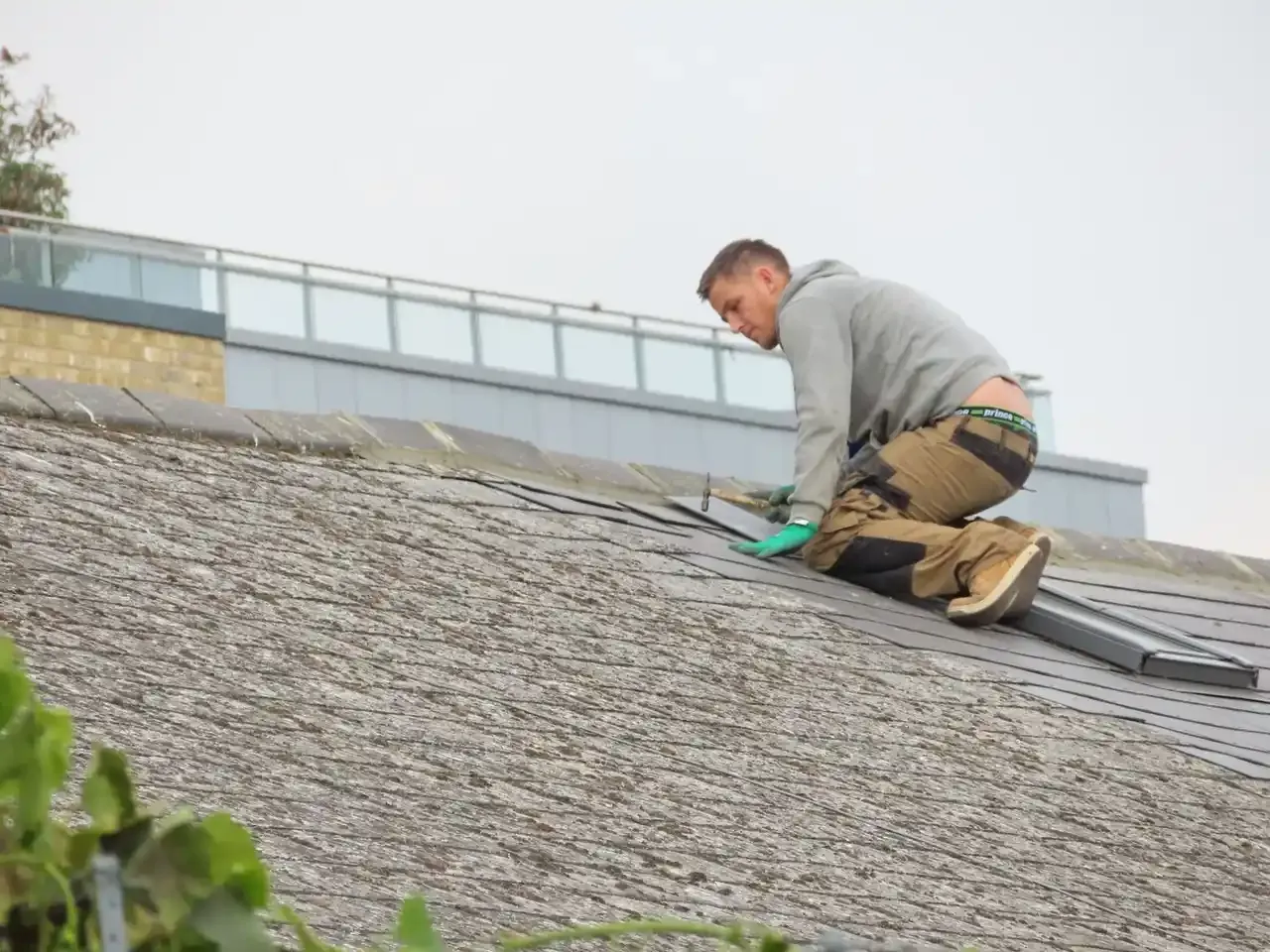
Measured roof linesWe mark courses before installation.
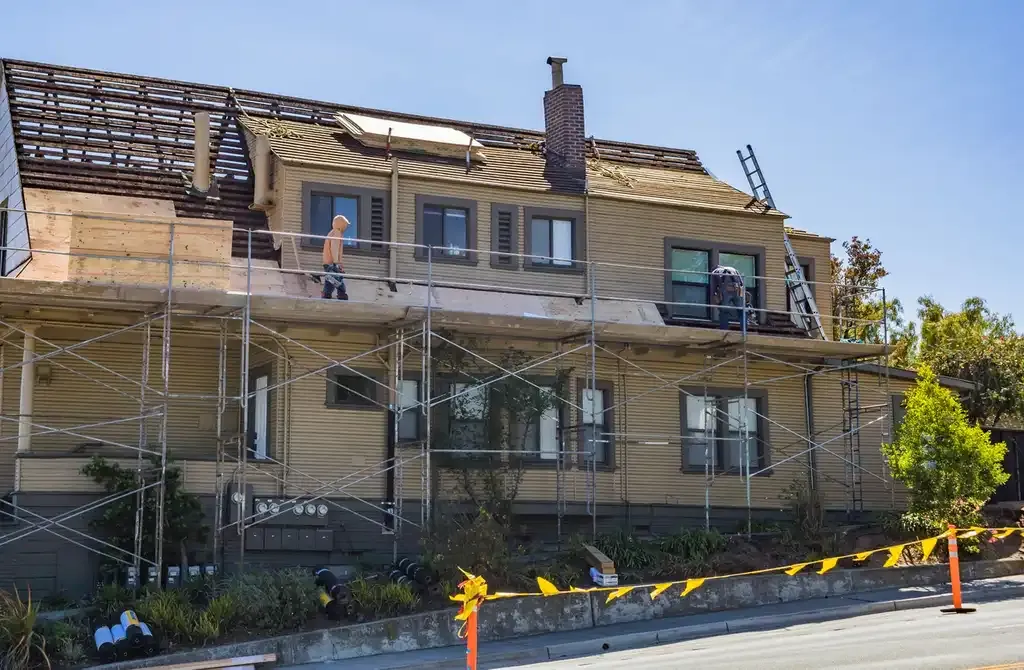
Open deck reviewWe inspect exposed panels before covering.
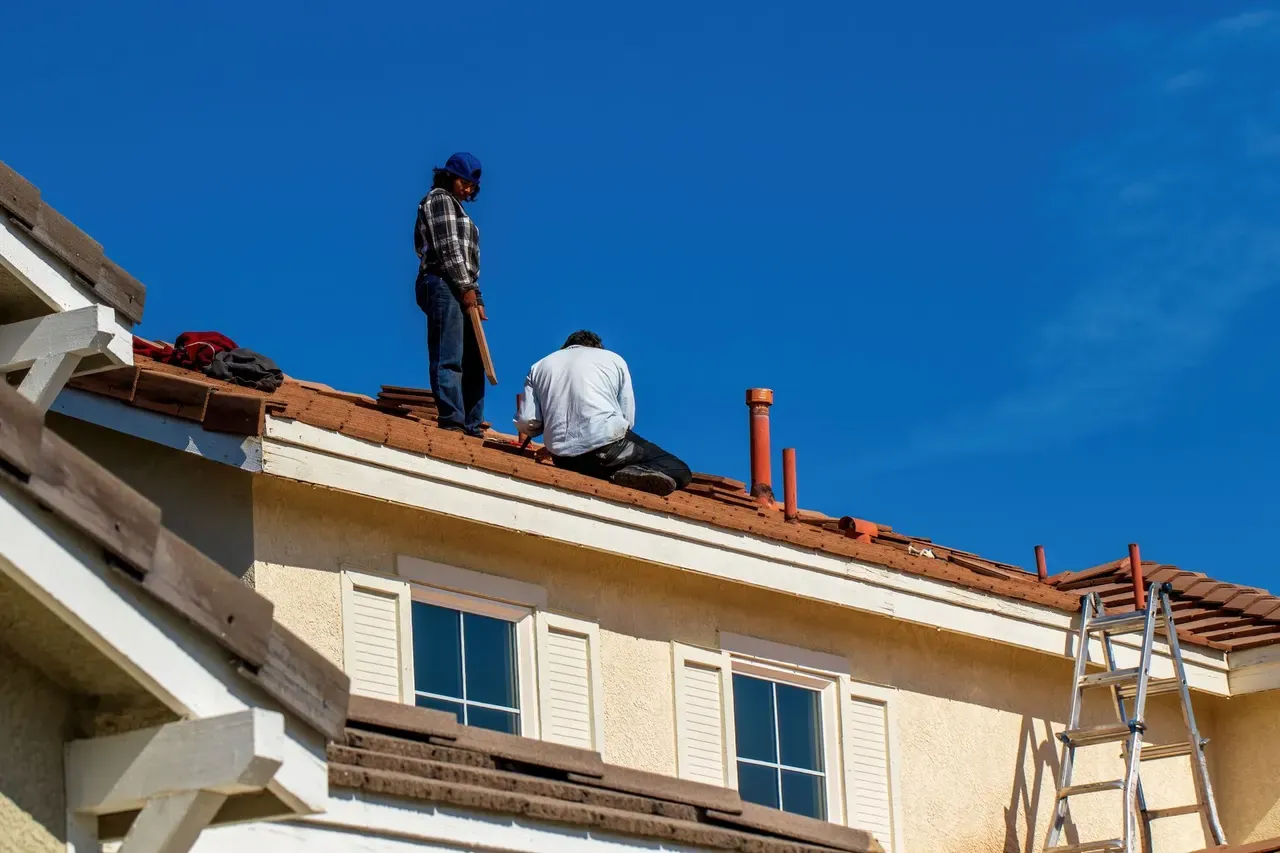
Ground cleanupWe check the work area for debris.
What Roof Tear-Off and Replacement Includes
The work covers removal of existing roof materials, inspection of the exposed deck, and installation of the agreed replacement system. We address routine roof-layer details such as underlayment, flashing, edges, and cleanup as part of the planned work. Extensive structural changes, skylight relocation, or unrelated gutter projects are additional work and are discussed separately before proceeding.
Existing Roof Removal
We remove shingles or the existing roof covering, underlayment, and exposed fasteners in controlled sections. Debris is moved to the designated container, and open areas are managed so the building is not left unnecessarily exposed during the work.
Exposed Deck Review
After removal, we inspect the deck for soft, wet, or deteriorated areas. We show you significant findings and replace damaged sections included in the job plan before new roofing is installed.
Roof Layer Installation
We install the selected underlayment and roof covering in the proper sequence, with attention to overlaps, fasteners, and roof geometry. The material and method follow the planned system and applicable product instructions.
Flashing and Edge Details
We check roof edges, valleys, and penetrations, then install or renew the flashing details specified for the replacement. These transitions direct water over the roof surface and away from vulnerable joints.
Site Cleanup and Review
We gather roofing debris, check the surrounding ground for stray fasteners, and review the completed work with you. Job photos help show the roof deck, repairs, and finished details.
Homes and businesses.
The approach is the same for a home and a business. What changes is the access, the schedule and who needs the paperwork.
For Homes
We protect landscaping, walkways, and nearby windows while removing your home's old roof. You see the deck findings and replacement sequence before installation moves ahead.
Recurring ceiling stains after rain
Curling or missing shingles
Aging roof with multiple repairs
For Businesses
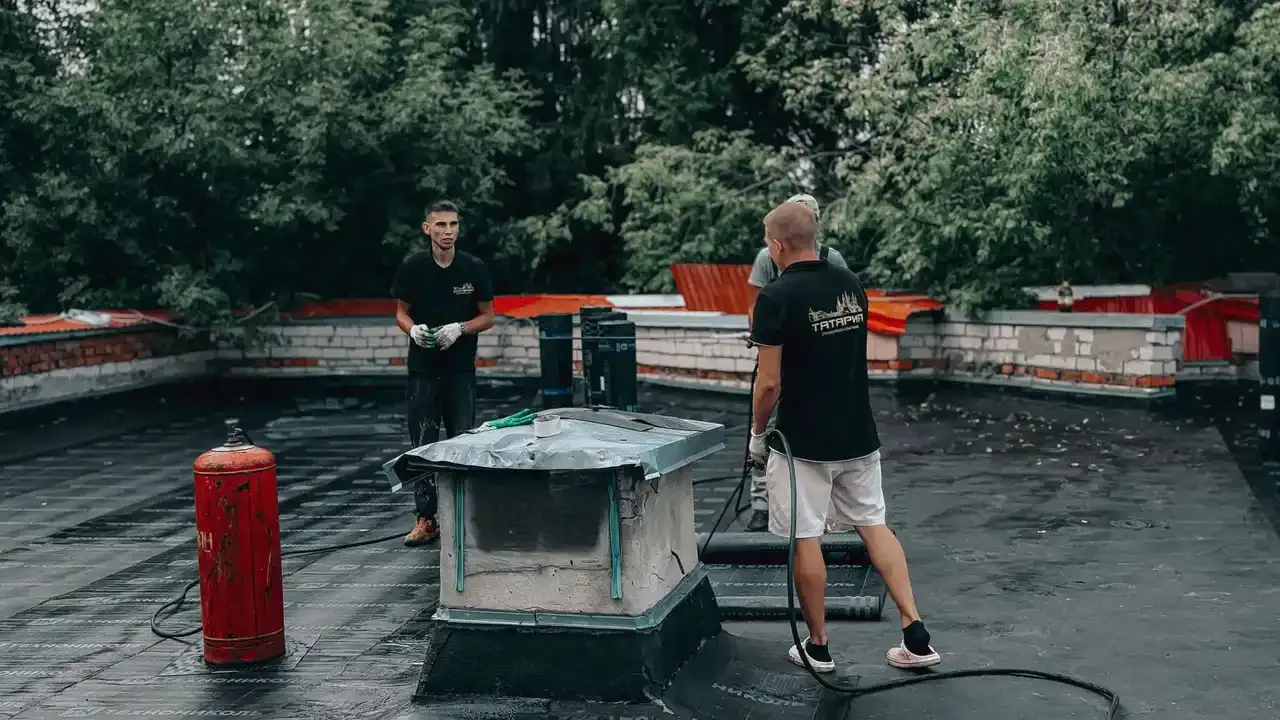
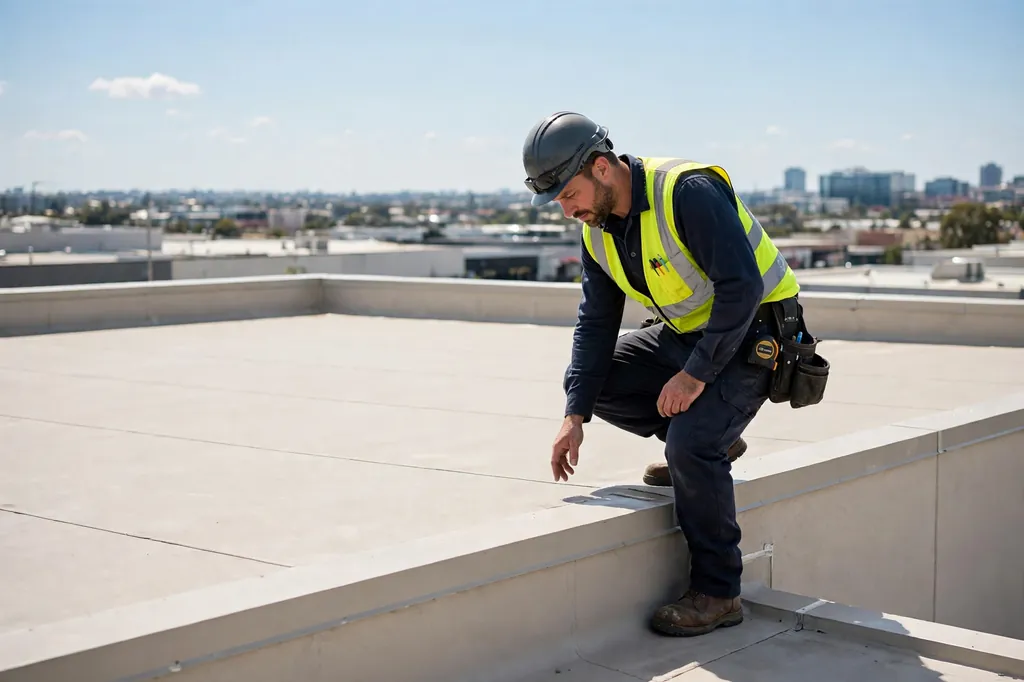
We plan roof access and debris handling around your building's layout and daily use. You get a clear sequence for removing the old system and checking the exposed surface.
Membrane seams showing wear
Leaks near rooftop equipment
Replacement planning for flat roofs
Roof Tear-Off and Replacement in Tomball
A plain-language look at what Roof Tear-Off & Replacement involves and when it is needed.
Roof tear-off and replacement Tomball TX is a full-roof renewal service that removes existing roofing to expose and replace damaged components before a new system is installed. We strip shingles or other coverings, remove old fasteners, inspect roof decking, and correct soft or rotted sections identified during removal. Then we install underlayment, flashing, edge details, and the selected roofing material in the correct sequence. The result is a new roof assembly rather than another layer hiding old defects. We explain what the tear-off reveals and keep the work area organized as the roof opens.
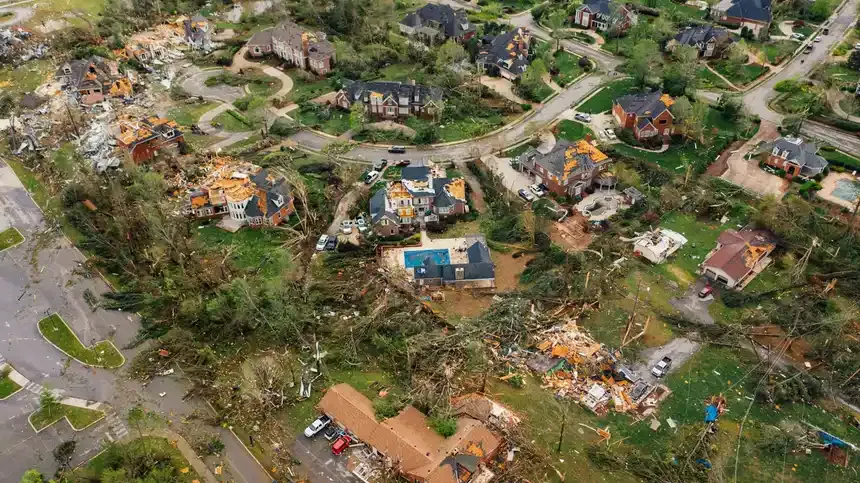
Tomball homes face intense sun, humid weather, heavy rain, and occasional hail or wind that can loosen shingles and drive water through flashing. Roof leaks, ceiling water stains, and repeated repairs often point to underlayment failure or decking damage below the surface. Our crew evaluates the roof slope, drainage, penetrations, and attic signs before recommending a full removal. If you are comparing roof tear-off and replacement cost in Tomball TX, we identify the material, roof size, access, and repair needs that shape the work.
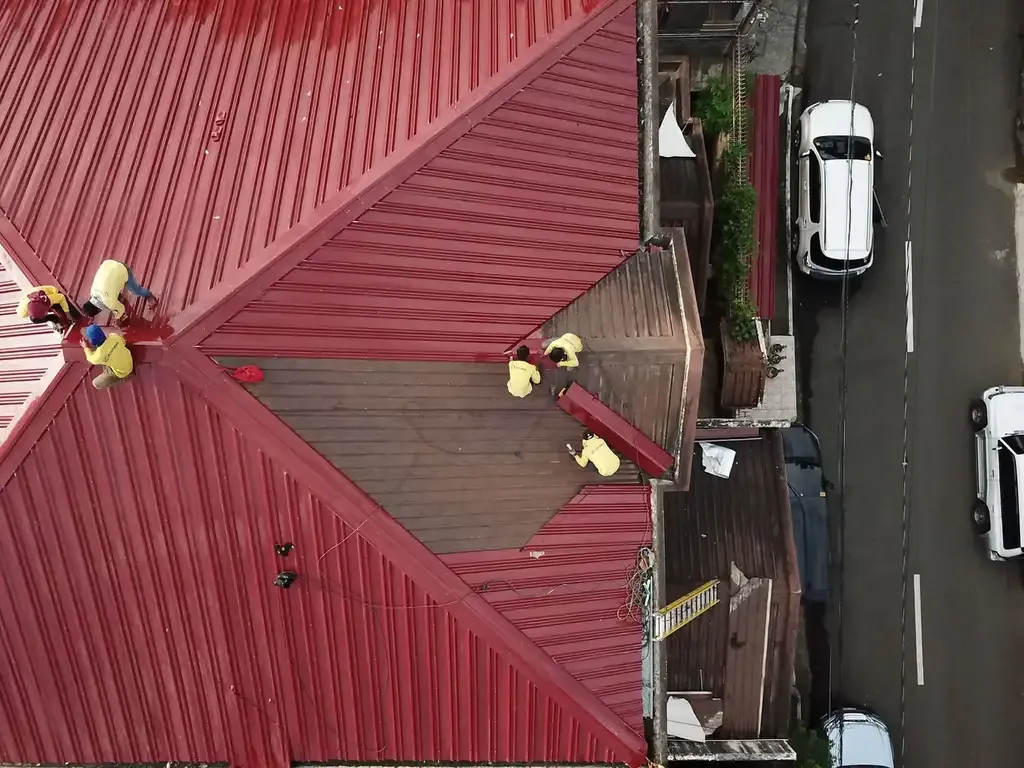
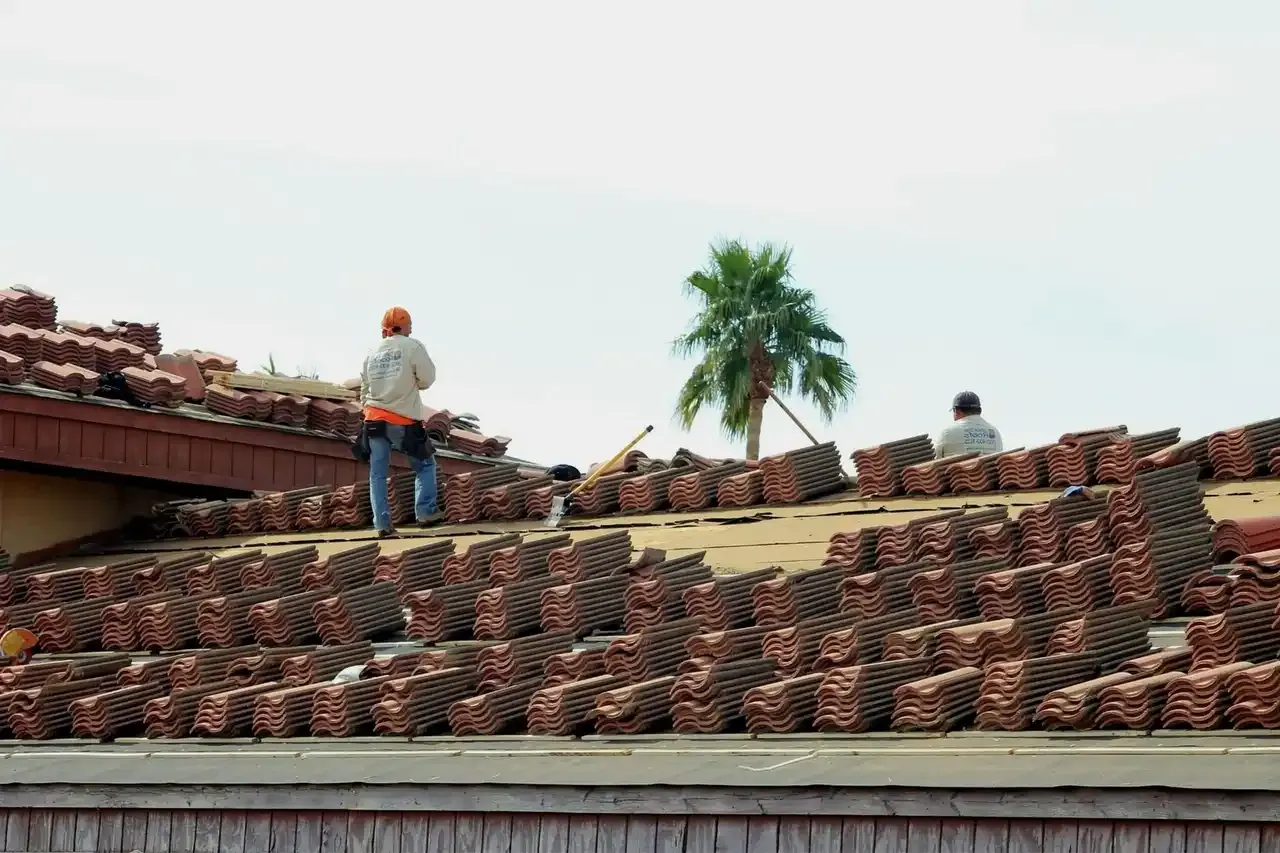
A tear-off exposes the roof deck so damaged layers can be addressed before the replacement system is installed.
What it is
Removal of old roof layers, deck inspection, repairs, and installation of a replacement roofing system.
When needed
Recurring leaks, widespread shingle wear, or hidden deck concerns can call for full removal.
What to expect
The crew protects the property, removes roofing in sections, inspects the deck, installs, and cleans up.
How the Work Proceeds
Roof tear-off and replacement in Tomball, Texas follows a defined sequence from inspection through cleanup. We walk you through what will happen, protect the property, and keep the roof covered as work progresses. A straightforward residential project often takes one to three working days, with the schedule shaped by roof size, weather, and any deck repairs.
Inspect and Plan
We start with a roof and attic review, checking shingle condition, flashing, valleys, ventilation, and visible moisture. You show us active leaks or interior stains, and we record the roof layout and access points. The visit usually takes 45 to 90 minutes. We explain material choices and the expected sequence before the crew begins.
Roof review
Leak locations
Material plan
Protect the Property
On arrival, we place protective coverings near walls, landscaping, windows, and outdoor equipment, then position a roofing ladder and debris containers. We review driveway access and identify areas you should keep clear. Setup often takes one to two hours, depending on the property. Your household knows where the crew will work and how debris will be handled.
Surface covers
Access setup
Work zone
Remove Old Roofing
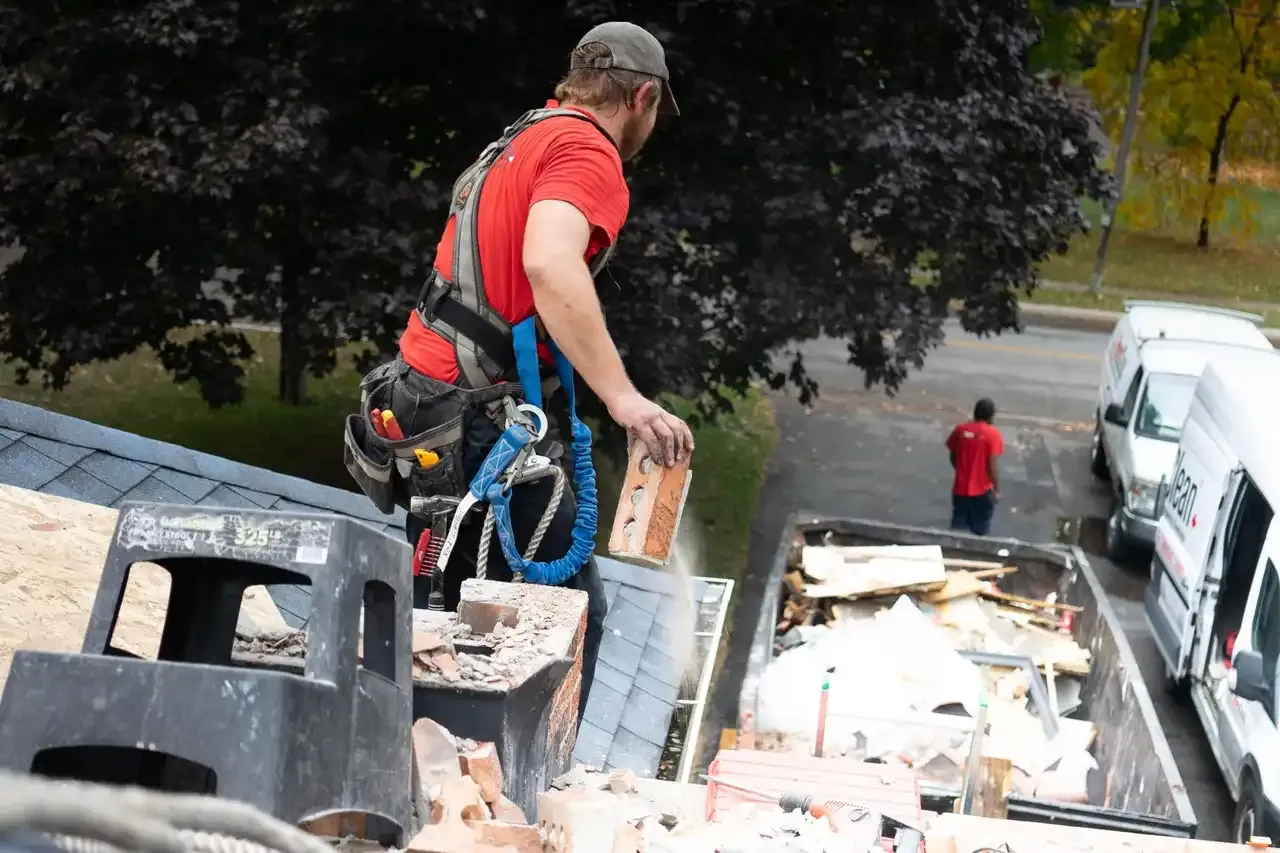
Our crew uses shingle rippers, pry bars, roofing hammers, and utility knives to remove the old covering and underlayment in controlled sections. We pull or reset exposed fasteners and keep debris moving into the designated container. Most single-family tear-offs take several hours. If rain threatens, we secure open sections with protective covering before leaving the roof.
Layer removal
Fastener cleanup
Deck exposed
Repair and Rebuild
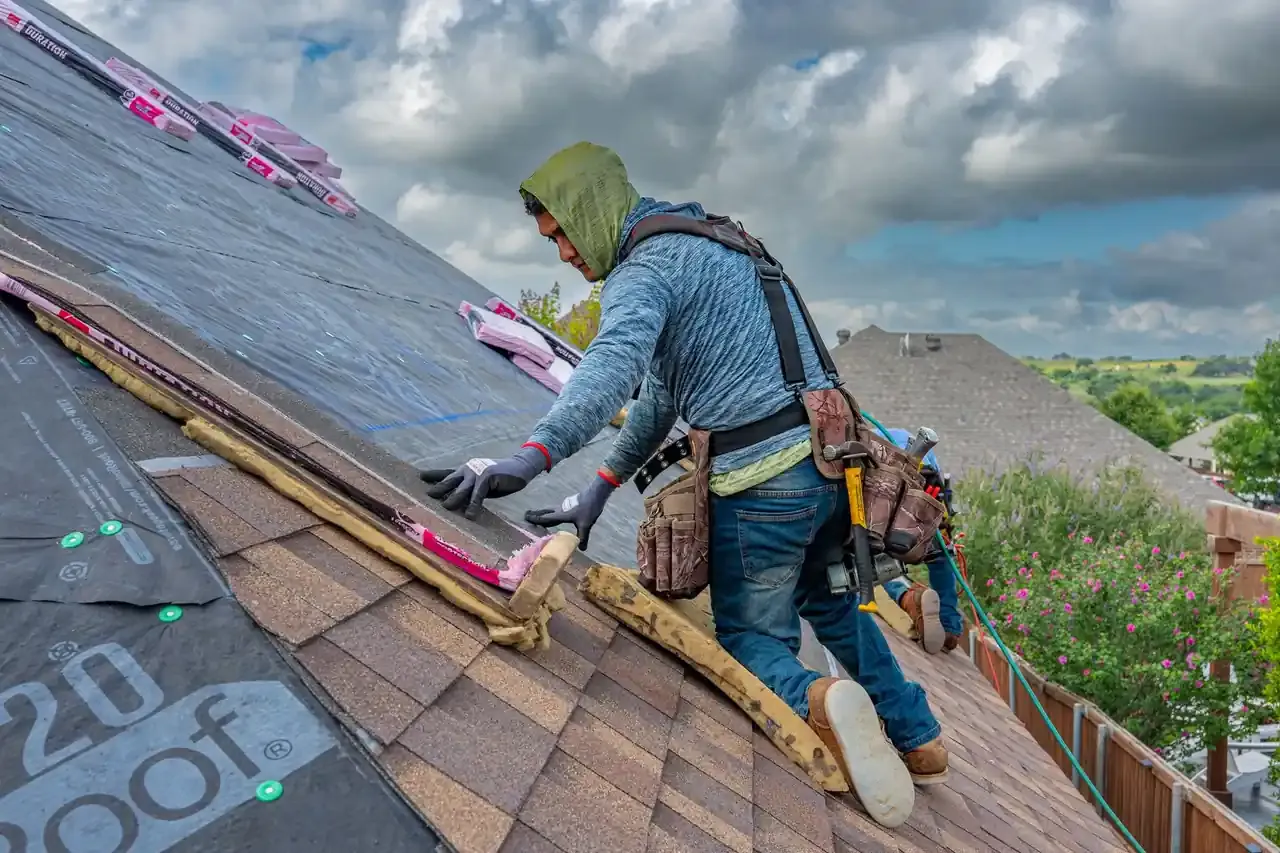
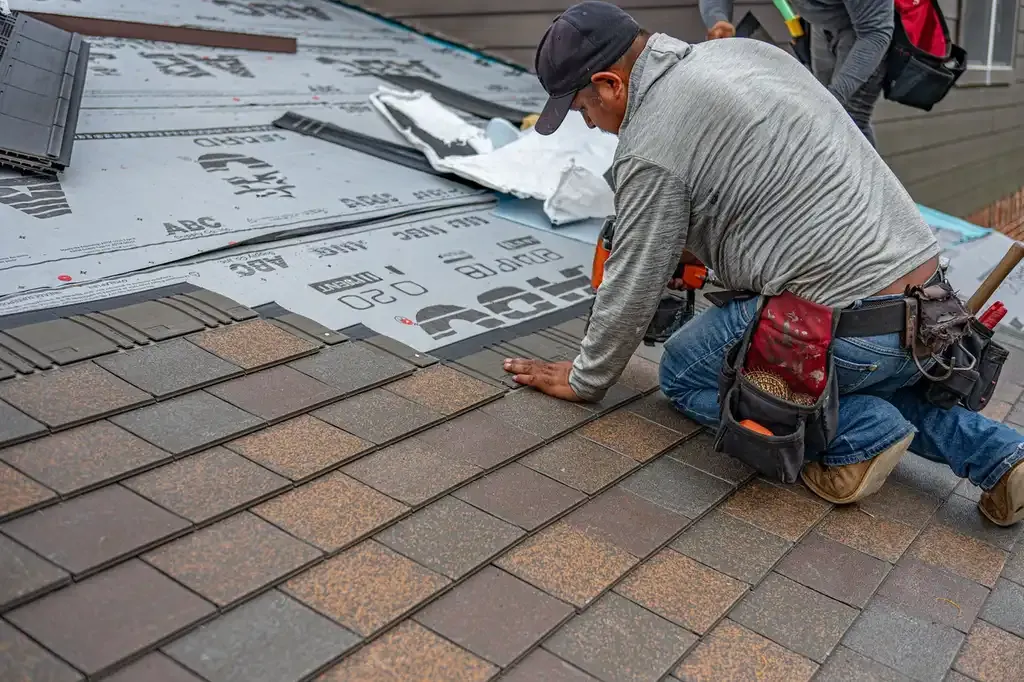
With the deck exposed, we check for rot, loose panels, and moisture damage, then replace affected decking as needed. We install roof underlayment, ice and water shield where specified, drip edge, and flashing in the planned sequence. A chalk line helps keep courses straight. You can see the roof layers take shape before the final material covers them.
Deck repair
Underlayment
New roofing
Finish and Clean
We install the selected roofing, complete ridge and edge details, and check penetrations and valleys for secure flashing. The crew clears debris, checks the ground for stray fasteners, and walks the finished roof from accessible areas. A final review generally takes 30 to 60 minutes. We explain completed repairs and provide job photos for your records.
Detail check
Ground cleanup
Job review
Tools and Installation Methods
Move across a circle, or focus it and press Enter, for an illustrative thermal view of the photograph.
Shingle ripper
We use this tool to lift and remove old shingles and fasteners efficiently while keeping tear-off sections controlled and accessible for deck inspection.
Roofing nail gun
The nail gun secures shingles according to the selected product's fastening pattern. We check placement and alignment so courses remain consistent across the roof.
Moisture meter
We use a moisture meter to investigate suspicious wood and damp areas, helping distinguish sound decking from sections that need closer inspection or replacement.
Fall protection harness
Crew members use fall protection equipment suited to roof access and work conditions. We plan tie-off and movement before removal begins, especially on steeper roof sections.
Chalk line
A chalk line marks straight reference courses for shingle installation. Consistent layout helps keep exposure even and supports clean alignment around roof features.
Thermal views are illustrative, generated from the photographs.
Methods
Sectional tear-off
We remove roofing in manageable sections rather than opening the entire roof at once. That allows the crew to inspect the deck as it becomes exposed and protect the structure if conditions shift. The method also keeps debris handling organized around the home.
Deck-first inspection
Every exposed deck area is checked before new underlayment covers it. We look for soft wood, moisture staining, loose panels, and damaged edges, then address repairs identified for the job. You can review photos of concealed areas and understand what changed.
Water-shedding installation
We install underlayment, flashing, and roofing so each upper layer directs water over the layer below. Valleys, penetrations, and roof edges receive focused attention because poor transitions create common leak paths. The installation follows the selected system's product requirements.
Final perimeter check
After installation, we inspect roof edges, valleys, penetrations, and ground areas around the building. We confirm visible details are complete, collect debris, and review the finished work with you. Photos provide a record of the deck and finished assembly.
When a Full Tear-Off Makes Sense
Recurring valley leak
A homeowner in Old Town Tomball sees new ceiling stains after each heavy rain despite two earlier leak patches.
We inspect the attic, roof valleys, and flashing, then determine whether water has spread beneath the shingles. If the roof layers are broadly worn, we remove them, check the decking, and rebuild the affected assembly rather than applying another surface patch.
Outcome: The homeowner can see which deck sections were repaired and how the new roof directs water away from the leak-prone valley.
Wind-lifted shingles
A Northpointe home has widespread curling shingles and several missing pieces after a period of strong wind.
We check the full roof for lifted edges, damaged ridges, and exposed underlayment. When failures are distributed across multiple slopes, our crew plans a complete tear-off and replacement with new edge and flashing details.
Outcome: The home receives one continuous replacement system instead of a series of patches across aging slopes.
Damp attic decking
A property in Lakewood Grove has damp attic decking and a roof that has reached the end of its service life.
We inspect accessible attic areas and remove the covering to evaluate the deck directly. We replace damaged panels identified during tear-off, install underlayment, and fit the selected shingles with ventilation and flashing checked as part of the work.
Outcome: The owner gets a dry, prepared roof base and a documented view of repairs that were hidden before removal.
Hail across slopes
A Woodlands Reserve homeowner compares roof tear-off near me Tomball TX after hail leaves marks across multiple roof slopes.
We examine the shingles, flashing, and surrounding roof details to determine whether the damage is isolated or widespread. If replacement is appropriate, we remove the affected system, inspect the deck, and install the selected material with the roof's transitions rebuilt.
Outcome: The homeowner receives a clear account of the roof condition and a replacement plan tied to observed damage.
Old Town TomballLakewood GroveNorthpointe
How We Handle Tomball Roof Projects
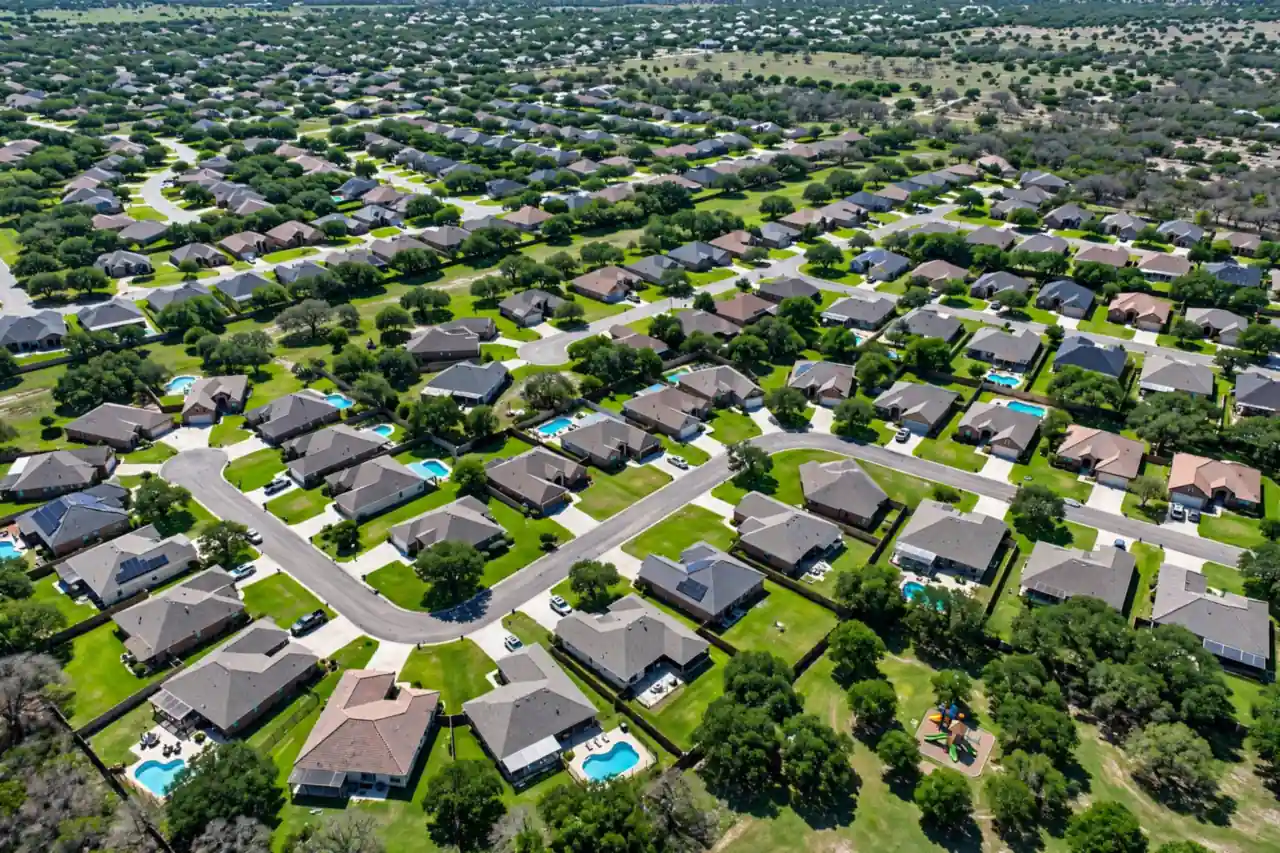
Tomball roof tear-off and replacement has to account for hot sun, humid air, intense rain, and storm periods that can expose weak edges or aging shingles. We check roof slope, attic ventilation, drainage, and surrounding tree cover because these affect moisture and debris patterns.
Homes in Harris County also need roofing work completed to applicable local building requirements; we review relevant code provisions and product instructions for the system being installed. In established areas such as Old Town Tomball, roof geometry and additions can create multiple valleys and flashing transitions.
Newer homes may have broad shingle slopes that make wind damage easier to spot but still hide underlayment issues. For affordable roof removal and replacement in Tomball, Texas, we explain material options and identify which repairs are essential to the roof assembly. Work in ZIP codes 77375 and 77377 is planned around access, property protection, and weather conditions, with open roof sections kept manageable.
Old Town Tomball: Older roof layouts and additions can create several valleys and wall transitions. We inspect those junctions closely for flashing leaks and concealed deck wear.
Lakewood Grove: Large roof slopes and nearby tree cover can mean scattered debris and wind-exposed edges. We plan property protection and inspect drainage paths during removal.
Northpointe: We check ridge, eave, and valley conditions across the roof rather than focusing only on a visible leak, especially after wind or hail.
Woodlands Reserve: For homes in this area, we coordinate driveway access and debris handling while inspecting roof penetrations and underlayment beneath aging shingles.
Humid weather can keep roof assemblies damp after extended rain.: We check attic and exposed deck areas for moisture evidence before covering them. If damp or deteriorated material is present, it must be addressed so new underlayment does not conceal an unresolved problem.
Strong storms can lift shingles and drive rain beneath roof edges.: We inspect eaves, ridges, valleys, and flashing for wind-related openings. A widespread pattern points toward full replacement rather than repeated repairs to separate slopes.
We walk the roof and discuss leaks, visible wear, access, and material choices.
We protect nearby surfaces, set access equipment, and organize the work area.
We inspect finished details, clear debris, and review the completed work with you.
From problem to finished result.
IllustrativeThe thermal view is generated from the photograph. It is not a measurement. Drag the handle, or use the arrow keys once it is focused.
Repeated Valley Leak Corrected
Before: A Tomball homeowner had two ceiling stains beneath one roof valley and had already paid for more than one patch. Several shingles were curling, and the attic showed damp wood near the same slope. The roof surface looked mostly intact from the driveway, but each storm brought another sign of water entry.
After: We removed the worn roofing across the affected slopes, replaced damaged deck sections, and rebuilt the valley and flashing details. The new asphalt shingle system covered the prepared deck, and the crew checked the surrounding roof edges before cleanup. The homeowner received photos of the repaired wood and completed valley.
Check the ceiling and accessible attic after major rain, and keep gutters clear of leaves. Schedule a roof review if stains return or shingles lift so a small opening does not spread into the deck.
Wind-Worn Shingles Replaced
Before: A Lakewood Grove roof had missing and lifted shingles across several slopes after strong wind. Exposed underlayment showed wear near the eaves, and the owner was concerned that spot repairs would leave other weak areas untouched. The roof needed a complete inspection before another storm arrived.
After: We removed the existing shingles, checked the roof deck, and installed new underlayment and shingles across the roof. The crew finished the eaves and ridge, checked flashing, and cleared the work area. The replacement took two working days, including setup and final cleanup.
After a wind event, look from the ground for missing pieces or exposed edges and check ceilings for new stains. Keep a record of roof photos and call for an inspection when damage appears.
Hidden Deck Rot Removed
Before: During a Northpointe roof project, a recurring leak had left a soft section of decking near a roof penetration. The shingles above had darkened, but the full extent of moisture damage was hidden until removal. Simply covering the area again would have left weak wood beneath the replacement.
After: The tear-off exposed the affected panels, which we replaced before installing new underlayment and shingles. We also renewed the flashing around the penetration and checked adjacent decking. The homeowner received photographs of the concealed repair and a final review of the completed roof details.
Keep roof penetrations and nearby flashing on your inspection checklist, especially after heavy rain. Watch for ceiling marks and attic odors, and arrange a prompt review if either appears.
Problems a Full Roof Tear-Off Can Solve
If repeated repairs have not stopped leaks, removal can expose the layer where water is getting through. Our Tomball crew checks the deck and roof transitions so the replacement addresses the cause, not simply the visible symptom. We explain the findings before the new covering goes on.
Returning valley leakRecurring leaks return after each patch around the same roof valley.Water can keep entering beneath shingles, staining ceilings and weakening roof decking even when the visible opening appears sealed. We remove roofing around the affected area, inspect the valley and underlayment, and check the deck for moisture damage. If the roof system is failing broadly, we replace it as a complete assembly and rebuild the valley detail so water follows the intended drainage path.
Widespread shingle wearCurling and missing shingles leave large areas exposed to wind-driven rain.Exposed underlayment wears faster, while lifted edges can allow wind and water beneath surrounding shingles during a storm. We assess the roof's overall condition and determine whether isolated repairs will hold. If aging or wind damage is widespread, we remove the old shingles, inspect the deck, and install a new covering with properly finished edges and flashing.
Stained ceilingCeiling water stains appear below an older roof after heavy rain.The leak path may extend well beyond the stain, leaving damp insulation or damaged decking hidden from the room below. We trace the entry point by checking roof penetrations, valleys, flashing, and attic evidence. A complete tear-off exposes the layers between the roof surface and deck, letting us replace damaged material before the new system is installed.
Hidden roof layersOld roofing layers hide uncertain repairs and uneven roof surfaces.Another covering can add weight and conceal soft wood, loose fasteners, or uneven transitions that affect the next roof's attachment. We remove the existing covering to reach the deck, clear old fasteners, and inspect the surface from edge to ridge. We correct identified defects and install the replacement on a prepared base, rather than burying unknown conditions under another layer.
What a Full Tear-Off Solves
A prepared deck gives the new roof a sound base and exposes damage before it is covered.
Find Hidden Deck Damage
Once old shingles and underlayment come off, we check the exposed deck for soft spots, water staining, and failed fasteners. We replace compromised sections before covering them again, so the new roof is anchored to sound material. That inspection matters when a small leak has left attic water damage out of sight.
Stop Layered Roof Problems
Removing old roofing avoids trapping worn shingles, uneven surfaces, and moisture beneath a new covering. We inspect flashing and roof valleys while the deck is open, then rebuild those details as part of the system. Tomball roof tear-off and replacement is a practical choice when repairs keep moving from one weak spot to another.
Match Materials to the Home
You can choose asphalt shingles, metal roofing panels, or another suitable system based on roof pitch, appearance, and the building's needs. We review product options such as GAF Timberline or Owens Corning Duration when those shingles fit the project. The selected components are installed as a coordinated roof, not a collection of mismatched fixes.
Reset Roof Drainage Details
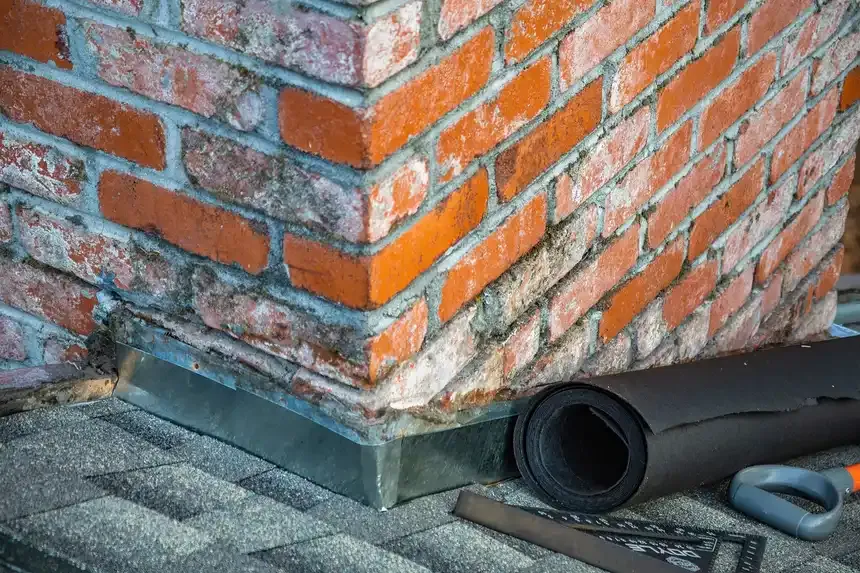
A new roof gives us the opportunity to correct drip edge, flashing, and ventilation details that contribute to leaks or gutter overflow. We check transitions around chimneys, skylights, and valleys before finishing. You get a roof system designed to move rain off the structure, with details addressed while access is open.
What you receive
Clear records you can keep and share.
Photo record
Images of exposed decking and completed roof details.
Work summary
A summary of removal, repairs, and installation.
Material record
A list of the roofing materials installed.
Cleanup notes
A record of final site cleanup and review.
Tear-Off or Another Layer
The roof's condition determines whether removal is necessary; exposed decking gives a direct view of concealed damage.
Surface Repair
A localized correction for limited damage on a sound roof.
One damaged area
Surrounding shingles remain sound
Deck condition is stable
Roof Overlay
New material installed over an existing layer when suitable.
Existing system is compatible
Deck concerns are limited
Added layer is allowed
Full Tear-Off
Existing roofing is removed to inspect and prepare the deck.
Widespread material failure
Recurring leaks across slopes
Deck inspection is needed
Roofing Components
Asphalt shingles
Metal panels
Roof underlayment
Ice and water shield
Roof flashing
Roof decking
Ridge vents
Drip edge
Service ZIP codes.
A list like this tells people straight away whether you cover their street. Not listed? Call and ask: it only takes a minute.
We had ceiling stains after two rounds of rain, even though the roof had been patched before. The crew removed the shingles, showed us photos of soft decking near a valley, and replaced the affected sections. They cleaned the driveway and explained the new flashing before wrapping up. The leak has not returned through the storms we've had since.
Our roof had curling shingles and several areas where wind had lifted the edges. The team covered the landscaping, finished the tear-off and shingle installation over two workdays, and checked the attic for signs of moisture. I appreciated seeing the damaged deck in the photos instead of just hearing that it needed repair.
We needed a full replacement after repeated leaks around the roof valleys and chimney. The crew explained the sequence, kept us updated while the deck was open, and checked the flashing before finishing the shingles. Cleanup was thorough, and we received photos of the completed details for our property file.
Frequently Asked Questions
A larger or more complex roof can exceed that range. We inspect the existing layers and visible damage before discussing your job's price. The estimate separates roofing work from any additional decking replacement so you can understand what drives the total.
Most single-family roof removal and replacement jobs in Tomball take one to three working days. A straightforward shingle roof may be completed in a day, while a larger roof, steep pitch, multiple layers, or decking repairs can extend the schedule. Rain and wind also affect safe installation. We explain the expected sequence, including tear-off, deck inspection, installation, and cleanup, before work starts.
The right roof tear-off company in Tomball explains the roof's condition, inspects exposed decking, and shows how flashing and underlayment will be handled. Ask for a clear material plan, photographs of concealed repairs, and a cleanup process. Our crew reviews those details with you and answers questions about the proposed system. Compare the work description, not just the shingle name or headline price.
A roof tear-off in Tomball TX includes removing existing roofing and underlayment, checking the exposed deck, replacing damaged sections identified during removal, and installing the planned roof system. The work also addresses flashing, edge details, and cleanup. Skylight changes, major structural repairs, or upgrades beyond the agreed roofing system are separate items. We explain what the job covers before installation begins.
If leaks keep returning or shingles are failing across the roof, call Tomball Roofing Experts at (877) 791-3217. We inspect the roof, explain what removal is likely to reveal, and discuss the replacement system with you. Our upfront pricing makes the proposed work clear.
Call (877) 791-3217 to discuss roof replacement, roof repair, a leak, or storm damage at your Tomball property. Our phone team can hear the details and connect your request with an independent roofing company. Contact us during regular business hours, Monday through Friday, 8 a.m. to 6 p.m.; for active water entry, describe where it is happening when you call.