For Homes
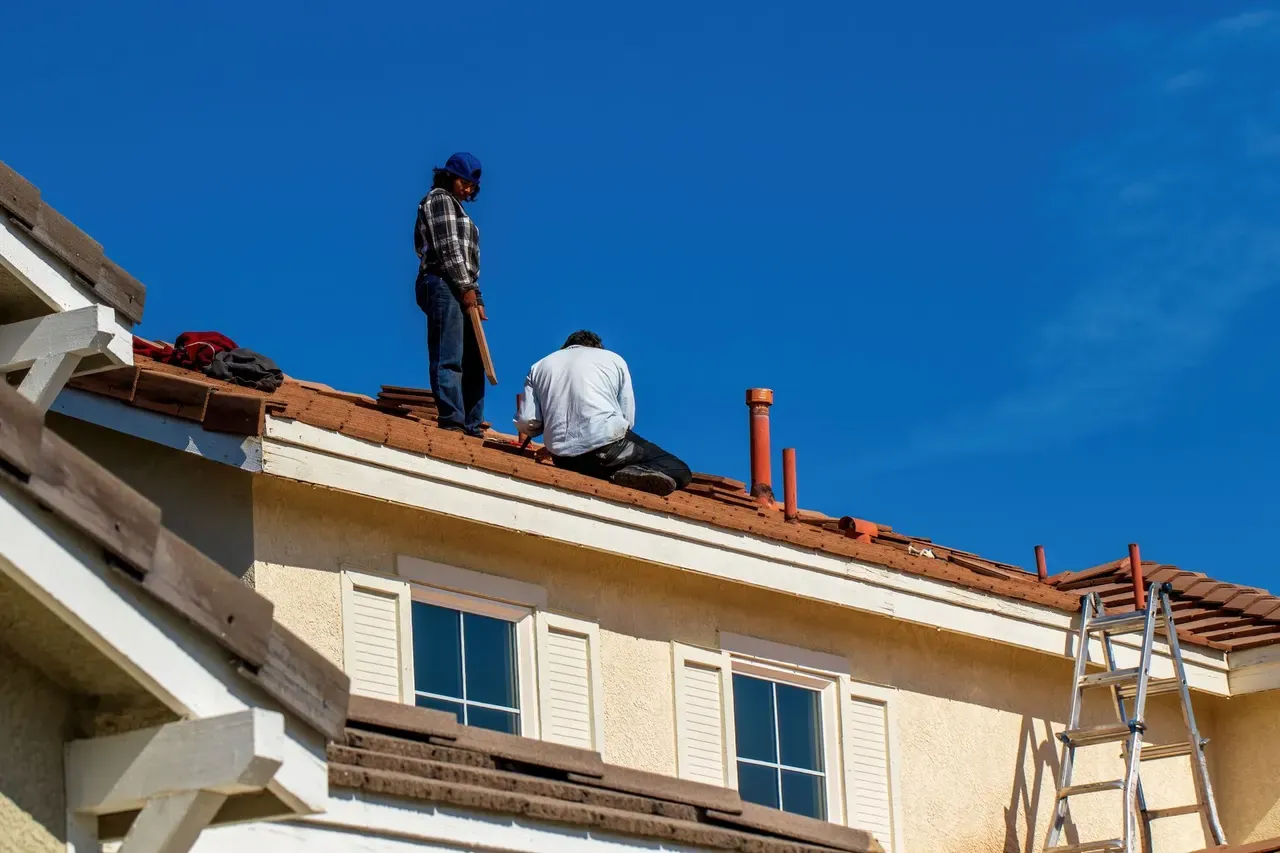
We plan around your household's access, outdoor spaces, and roof layout. You see which materials and roof details are part of the proposed work.
- Recurring ceiling stains
- Curling or missing shingles
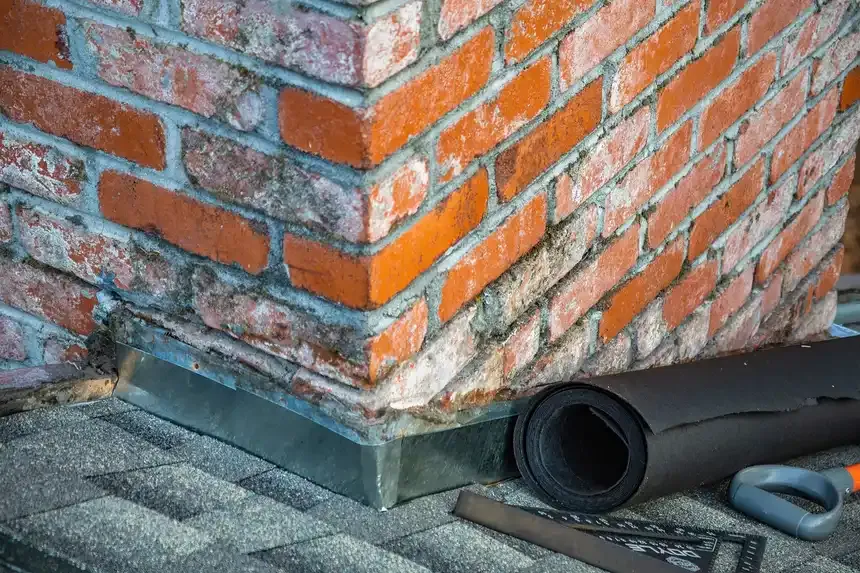
- Aging chimney flashing
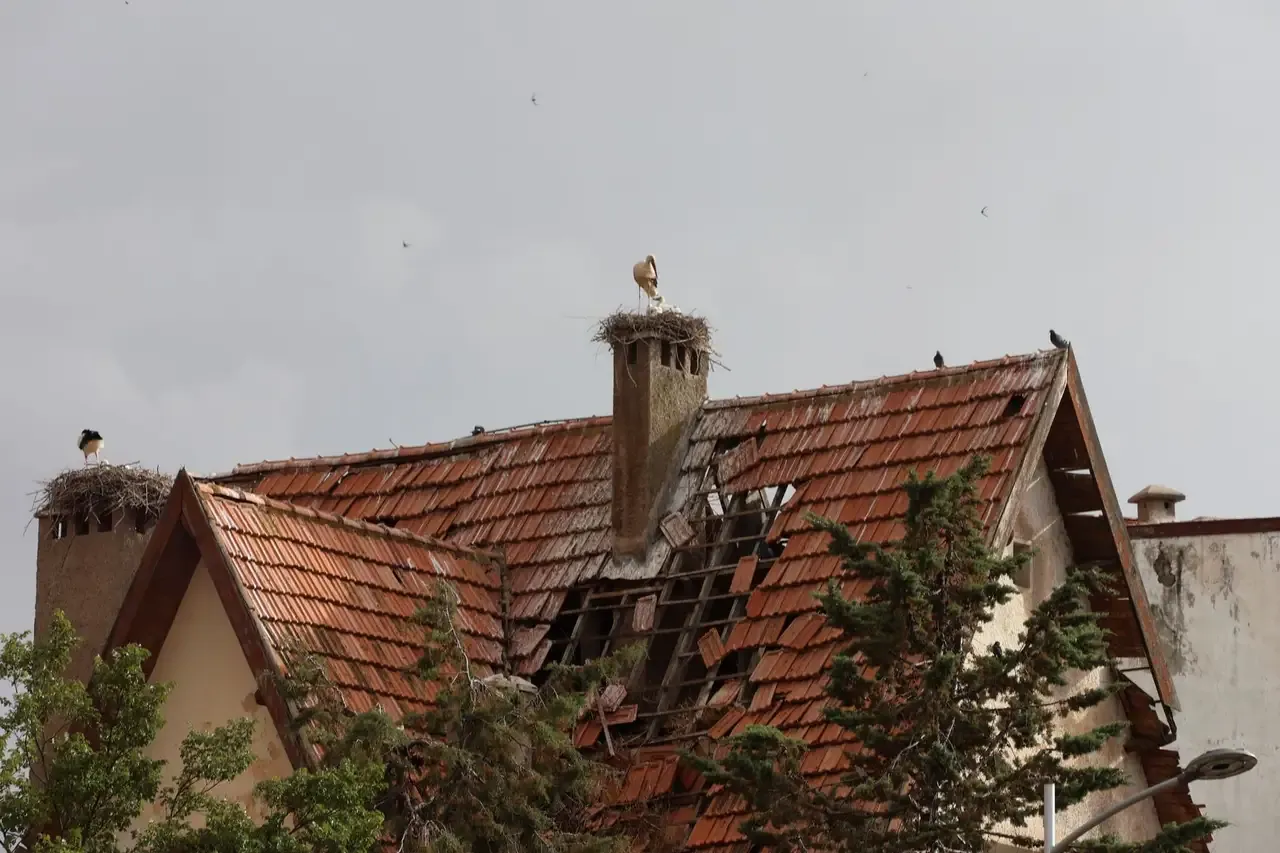
Roof replacement Tomball TX homeowners need starts with finding what has failed beneath the visible shingles. We remove worn materials, inspect the roof decking, and install a complete roofing system for houses with recurring leaks, widespread storm damage, or an aging roof. Our roof replacement in Tomball, Texas addresses the cause as well as the surface, so you know what is being changed and why before work begins.
 Deck inspectionFlashing detailsSite cleanup
A complete replacement covers removal of the agreed roof layers, inspection of exposed decking, and installation of the selected roofing system with its necessary water-shedding details. We identify damaged wood and explain its repair before it is covered. Changes such as extensive structural repairs, upgraded ventilation, or unrelated gutter work depend on the roof findings and are discussed separately so you understand the actual work.
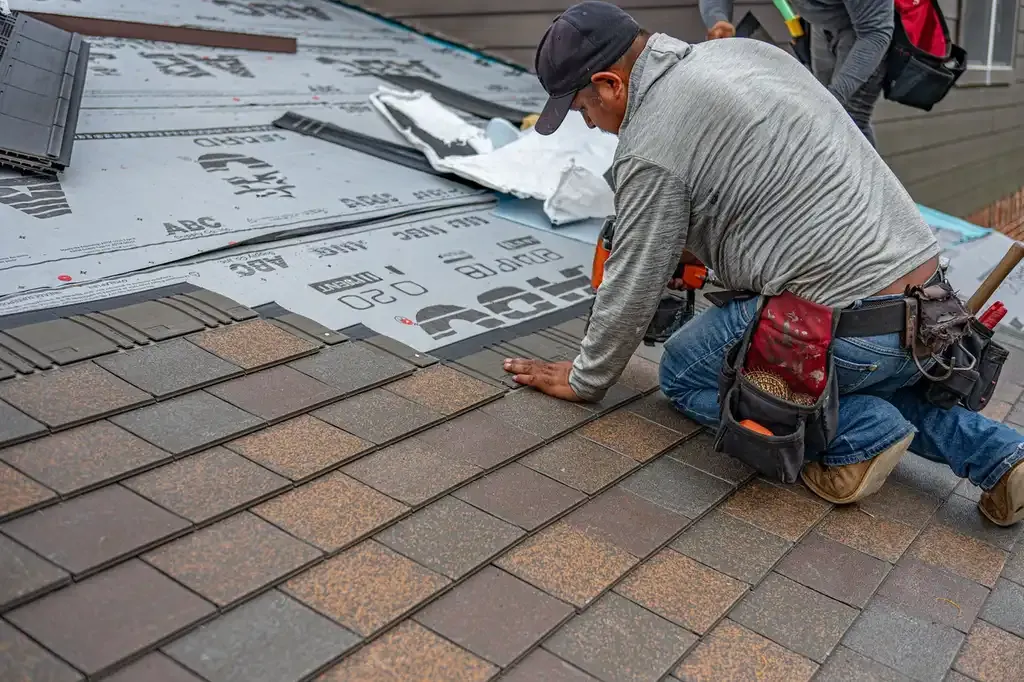
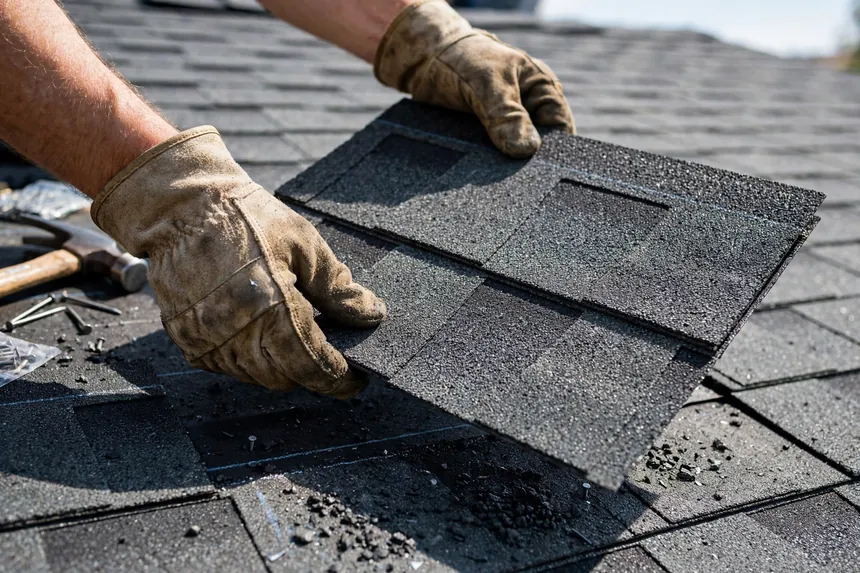
We remove the existing roof covering in the agreed work area and clear loose fasteners and debris from the deck. Removing old material allows us to see the condition beneath it rather than hiding problems under a new layer.
After tear-off, we inspect exposed roof decking for rot, weakened areas, and unsuitable fastening surfaces. If damaged sections need replacement, we show you the location and explain how the repair affects the installation sequence.
We install the selected roof underlayment and edge components, including drip edge where specified. Correct overlaps and terminations help direct water away from the deck and toward the roof drainage system.
We install the selected shingles or other agreed covering using the product's installation requirements. Chalk lines and a roofing square help keep courses aligned, while appropriate fastening supports consistent attachment across the roof.
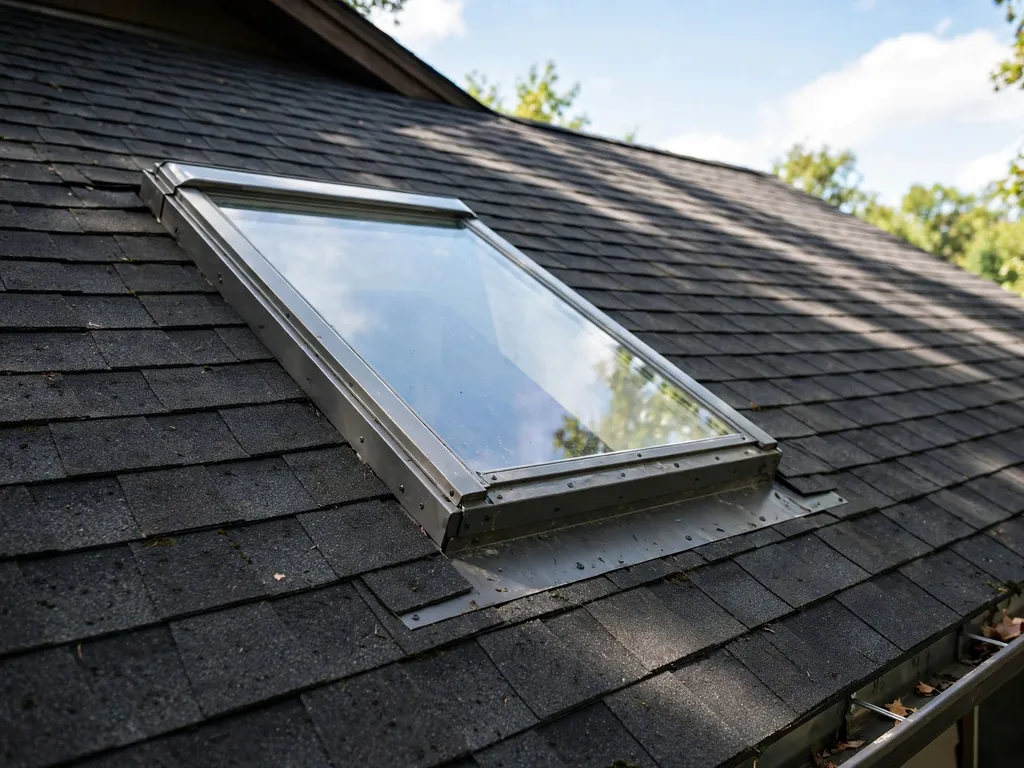
We address roof flashing at vulnerable transitions and coordinate vents or penetrations with the new covering. Valleys, chimneys, skylights, and roof edges receive focused checks because small installation gaps can become leak paths.
The approach is the same for a home and a business. What changes is the access, the schedule and who needs the paperwork.
We plan around your household's access, outdoor spaces, and roof layout. You see which materials and roof details are part of the proposed work.
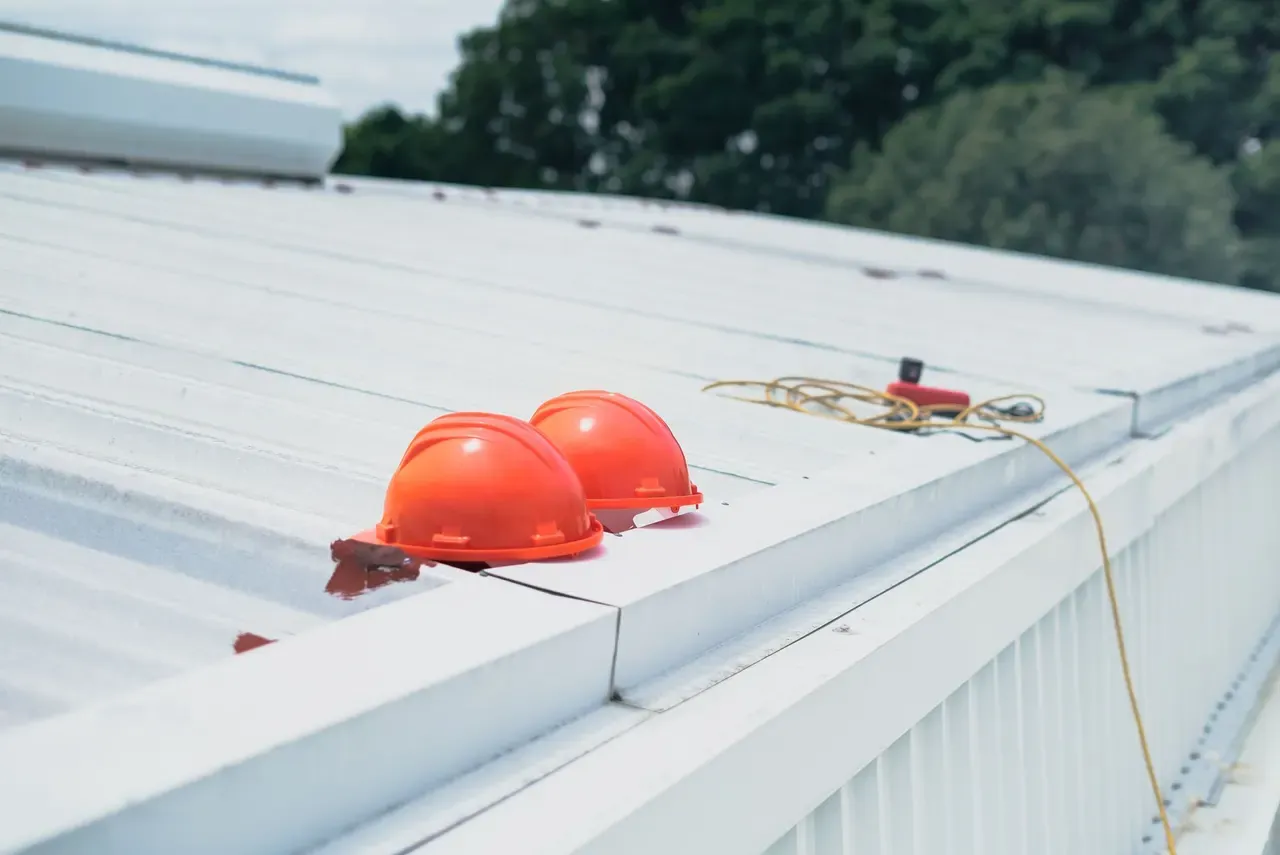
We coordinate roof access and work areas with owners or property managers. You get a clear explanation of drainage, penetrations, and the roof system being replaced.
A plain-language look at what Roof Replacement involves and when it is needed.
See how it worksRoof replacement Tomball TX is a residential roofing service that removes a failing roof system and installs new materials to restore weather protection when repairs no longer address widespread damage. We inspect shingles, flashing, underlayment, roof decking, valleys, and ventilation before setting the replacement plan. During a tear-off, our crew strips away old material, checks the deck for rot, replaces damaged sections, and installs the selected system in the right sequence. The finished roof is not just new shingles; it is a layered assembly designed to shed water at every edge, joint, and penetration.
Tomball roofs face strong sun, humid air, heavy rain, and occasional hail or wind that can loosen shingles and open flashing seams. Repeated ceiling stains, curling shingles, and roof leaks after each storm are signs that patching may no longer be enough. Our Tomball roof replacement work begins with tracing water paths, including chimney and valley details, rather than judging the roof from the driveway. If you are comparing roof replacement cost in Tomball TX, we identify the condition of the decking and the materials needed before explaining the project total.
A complete roof replacement addresses the covering, underlying deck condition, and water-shedding details as one system.
Roof replacement in Tomball, Texas follows a practical sequence: diagnose, prepare, remove, rebuild, and inspect. We explain each stage before the crew reaches it, protect landscaping and entry areas, and keep debris moving into designated collection points. Your home remains accessible, and we check the work area at the end of each day.
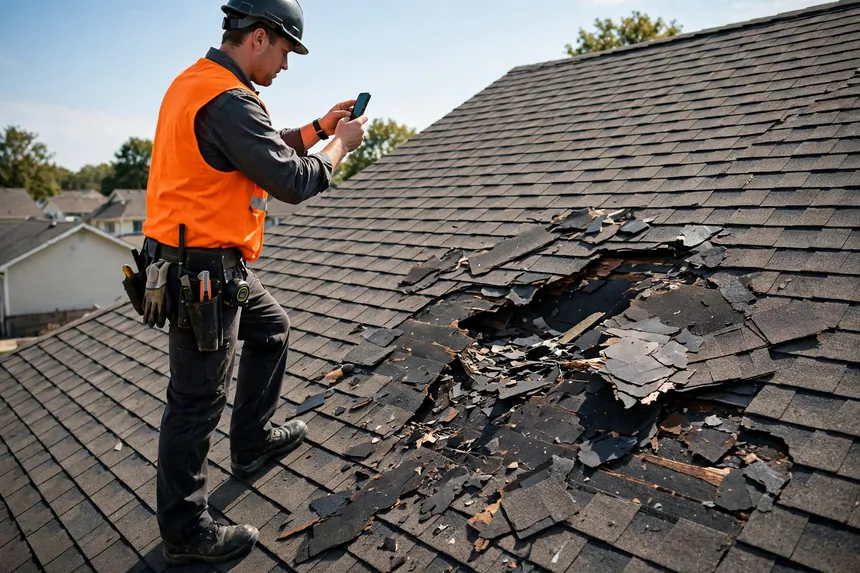
We inspect the roof surface and accessible attic areas, looking for missing shingles, flashing leaks, soft decking, and ventilation problems. A moisture meter helps us investigate suspicious damp areas without relying on ceiling stains alone. We photograph relevant conditions, measure roof sections, and discuss material preferences so the planned replacement fits your home.
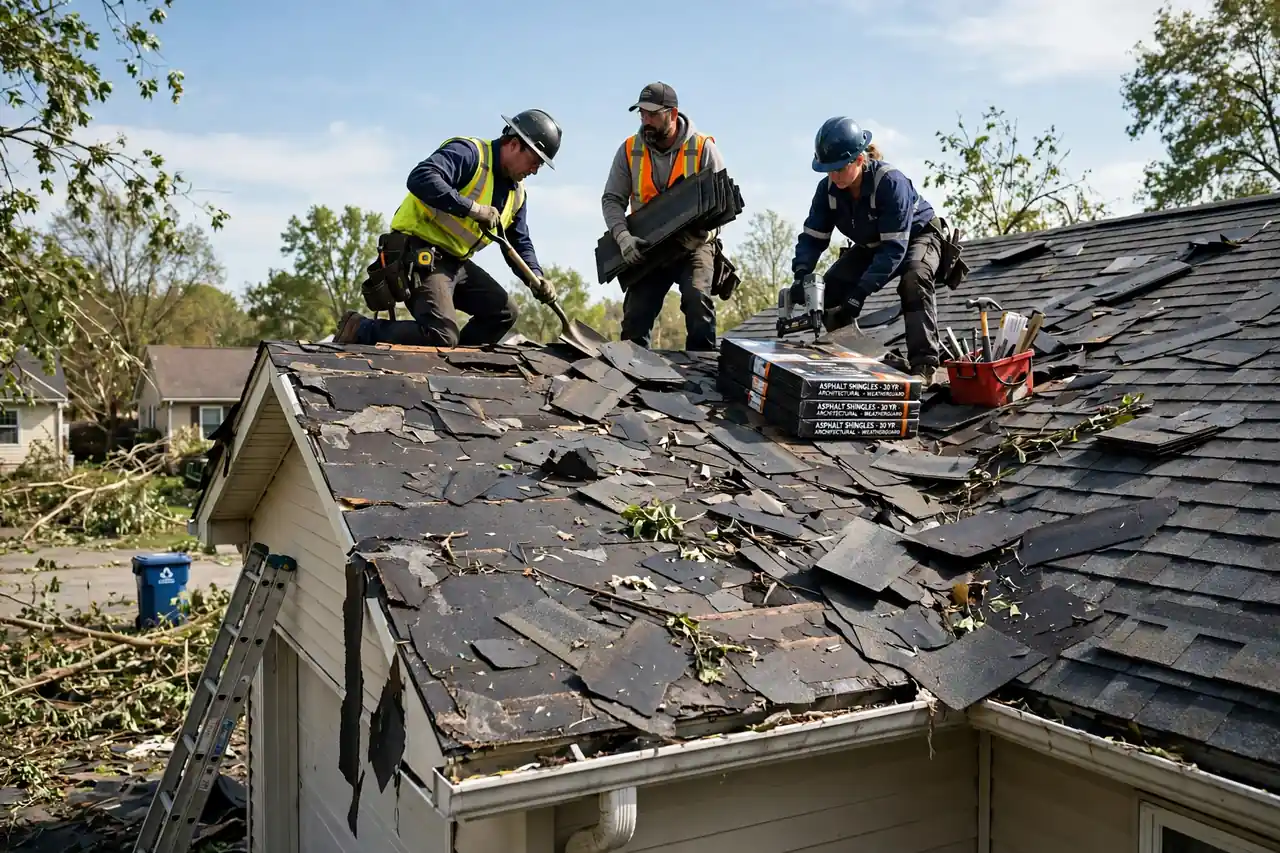
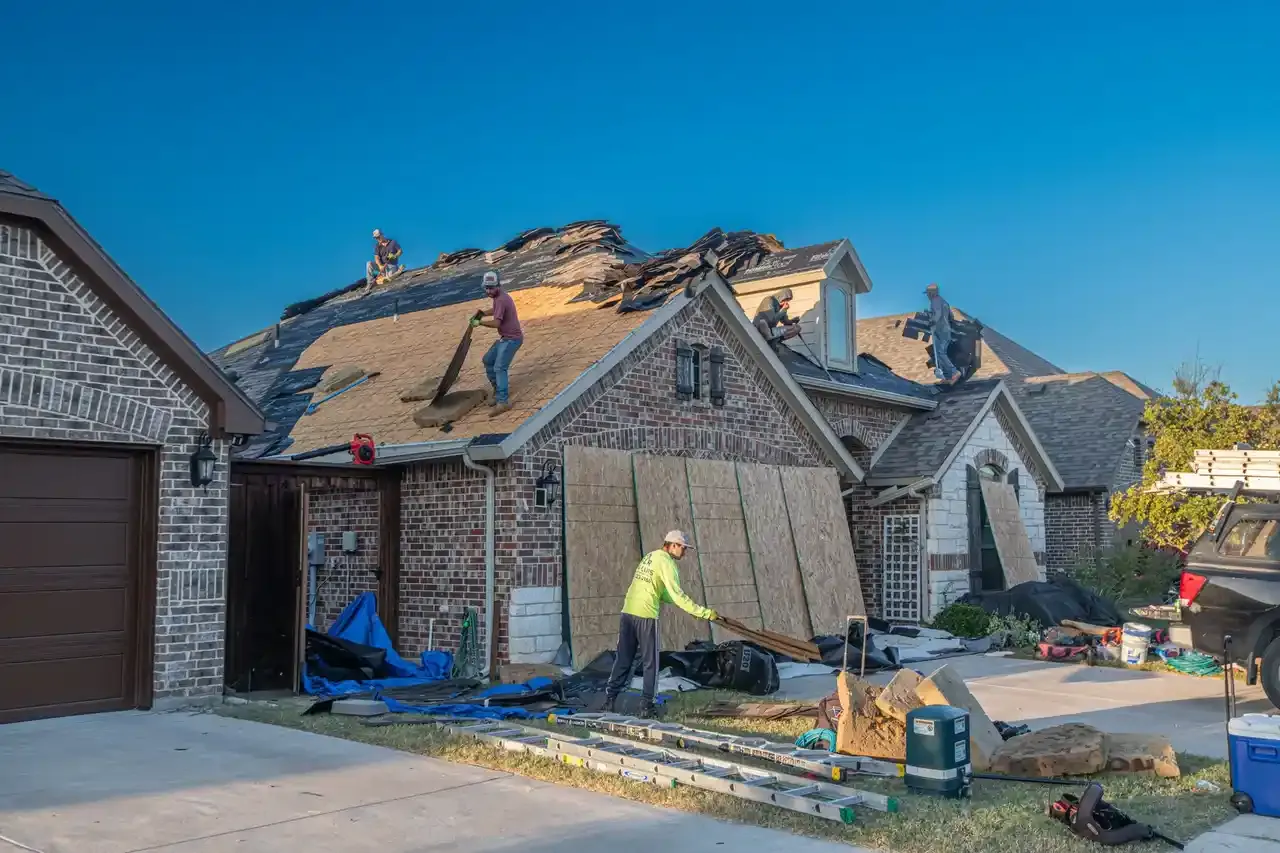
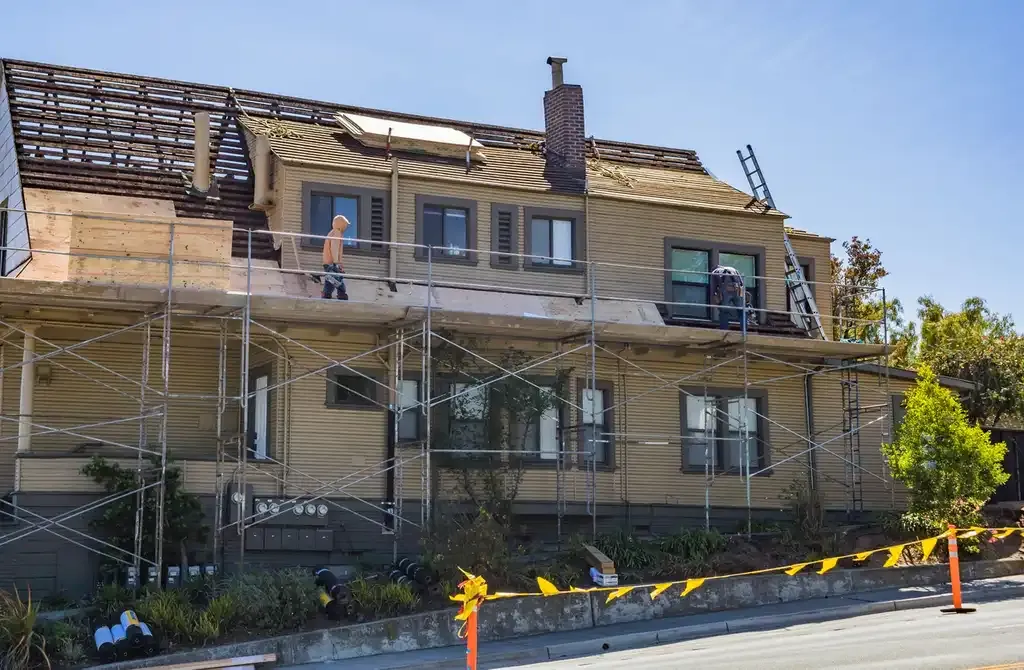
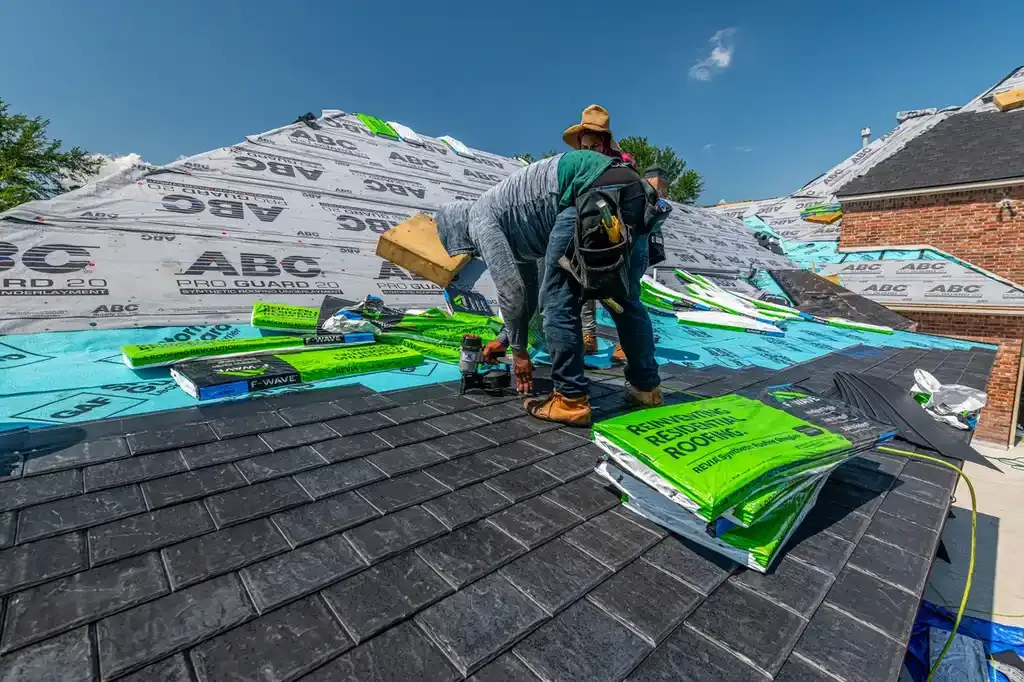
On the scheduled start day, we confirm access and protect vulnerable landscaping, windows, and exterior features. The crew places collection equipment and sets roofing ladders and fall protection before going onto the roof. We review where materials will be staged and how you can safely use entrances while tear-off and installation are underway.
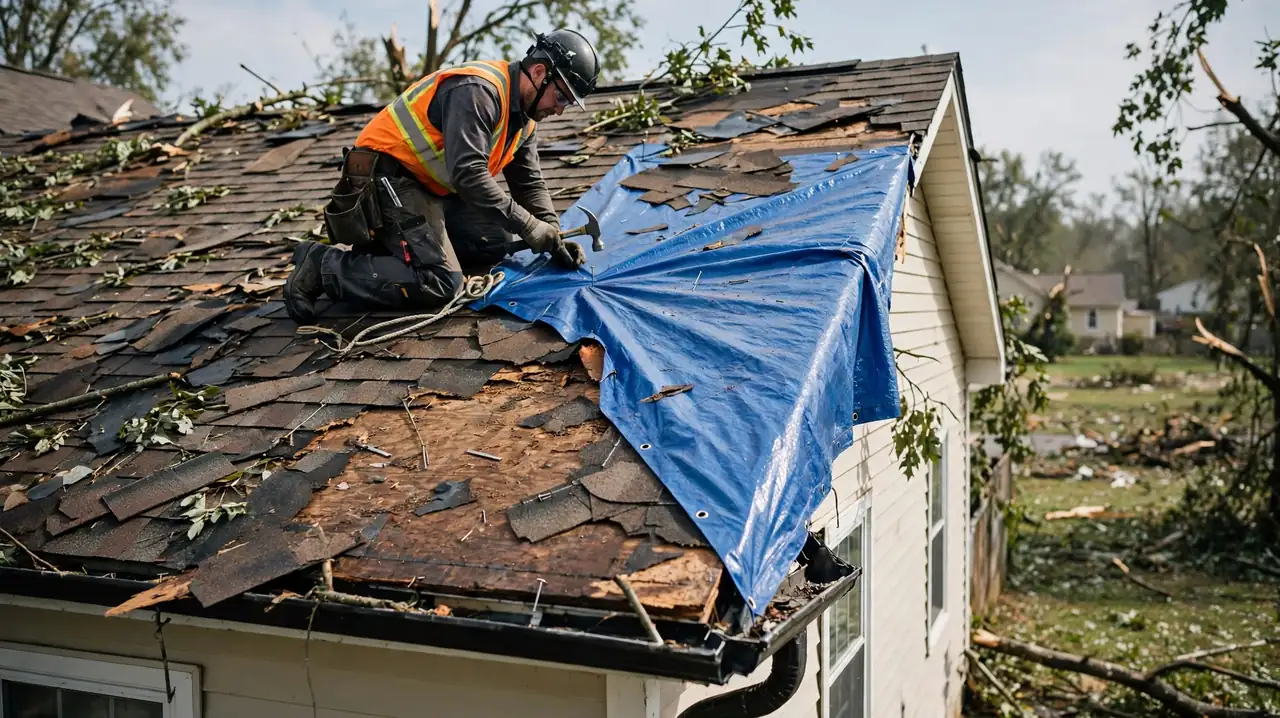
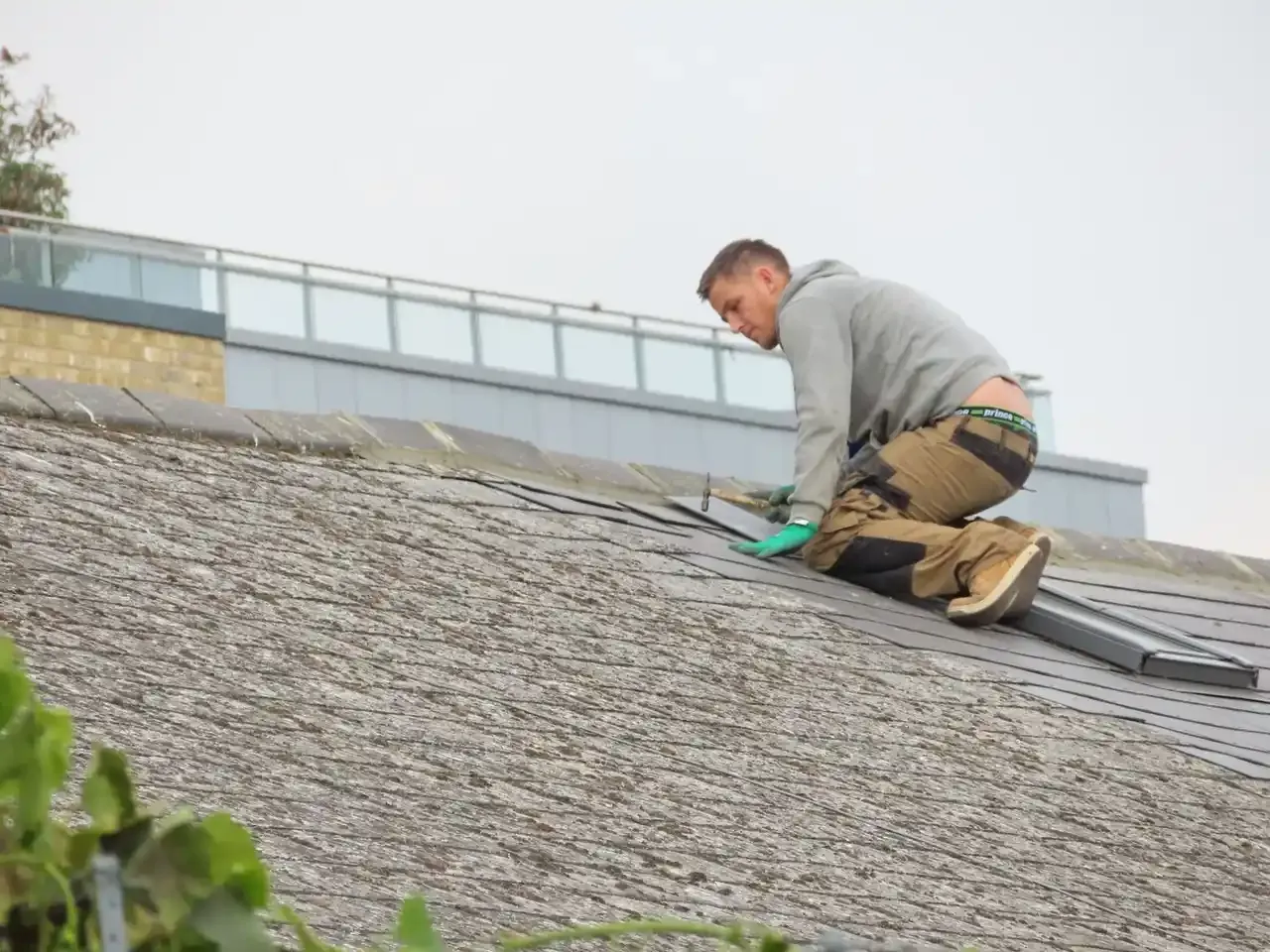
We remove the existing covering with a shingle ripper and pry bar, then clear loose debris from the roof. Once the deck is exposed, we check for rot, loose panels, and old fasteners; damaged sections are addressed before new layers go down. A typical home tear-off and installation often takes one to three working days.
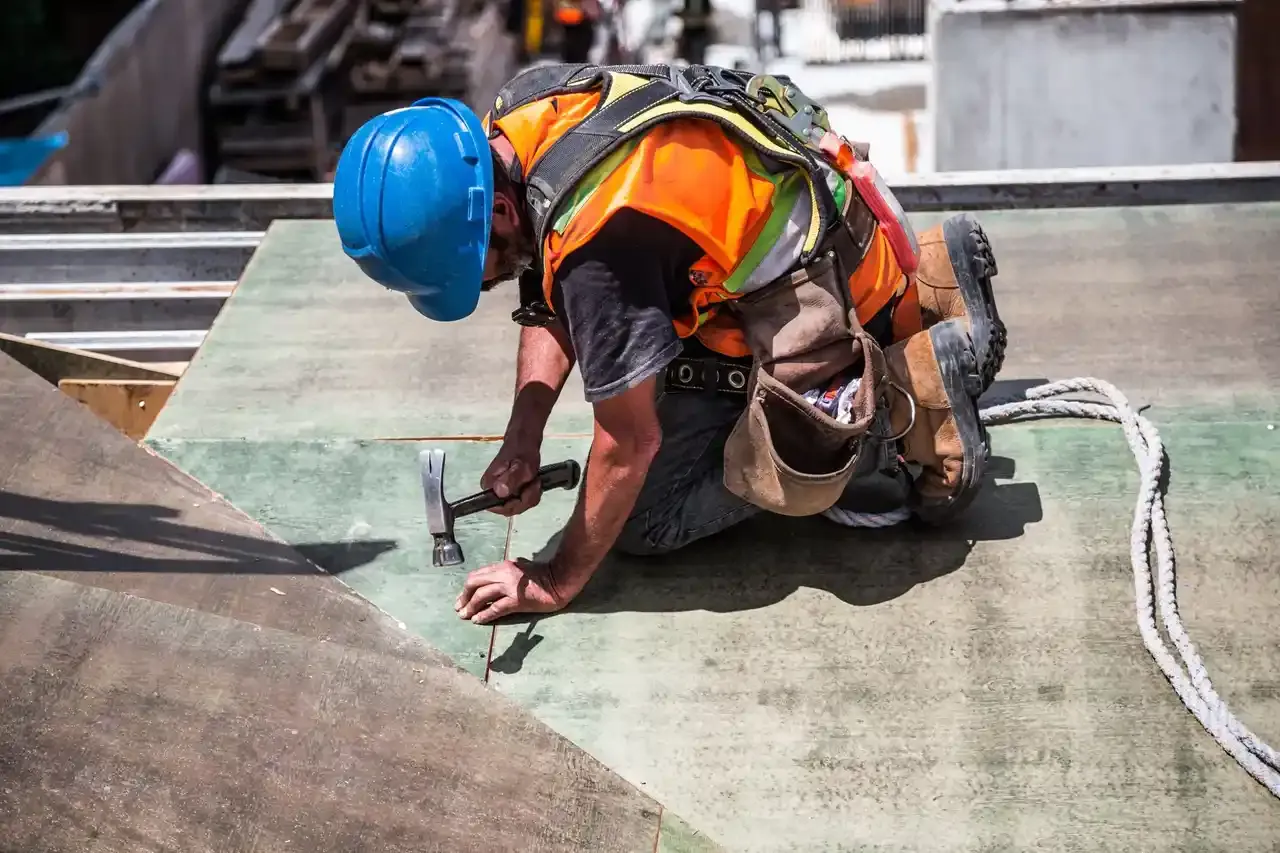
We install the selected underlayment and water-protection details, then place shingles or the chosen roof covering according to its installation requirements. A roofing nail gun, chalk line, and roofing square help maintain consistent alignment and fastening. We fit flashing, drip edge, and ridge ventilation where specified, paying close attention to valleys and roof penetrations.

We inspect roof edges, penetrations, ridges, and visible fastening details, then clear debris from the site. The crew checks the ground for roofing scraps and collects loose nails with a magnetic sweeper. We walk you through the completed work, share job photos, and explain any maintenance points specific to your selected roof system.
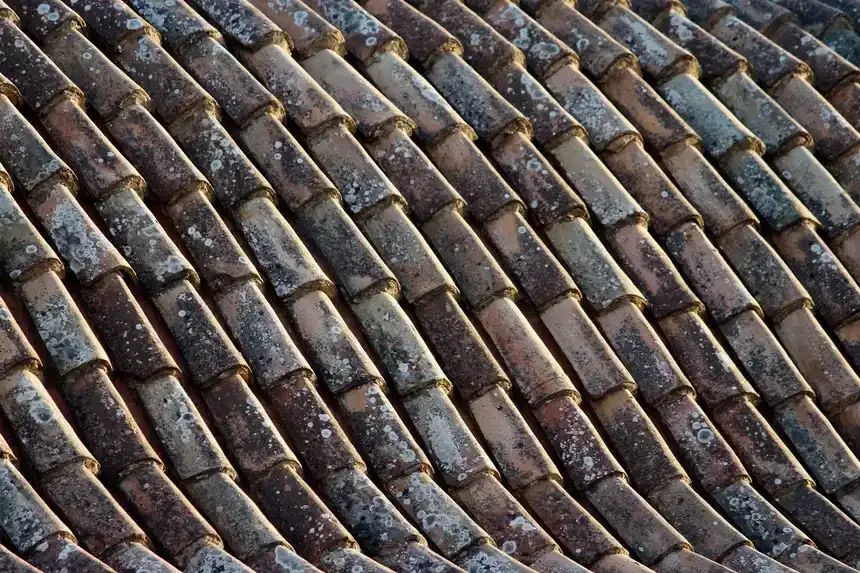
Move across a circle, or focus it and press Enter, for an illustrative thermal view of the photograph.

We use a shingle ripper to lift old shingle courses and expose fasteners during tear-off. Controlled removal helps protect the roof deck and makes it easier to identify soft or damaged sections.
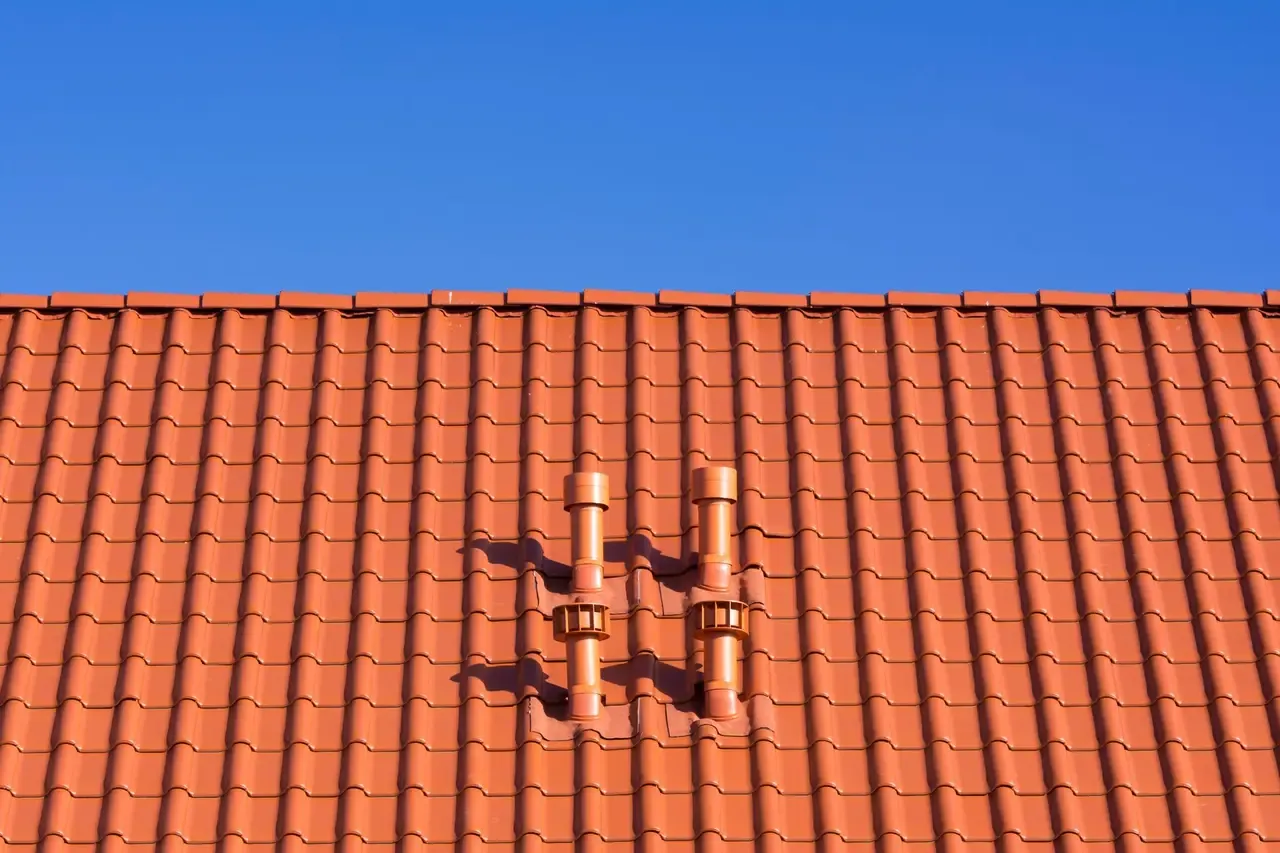
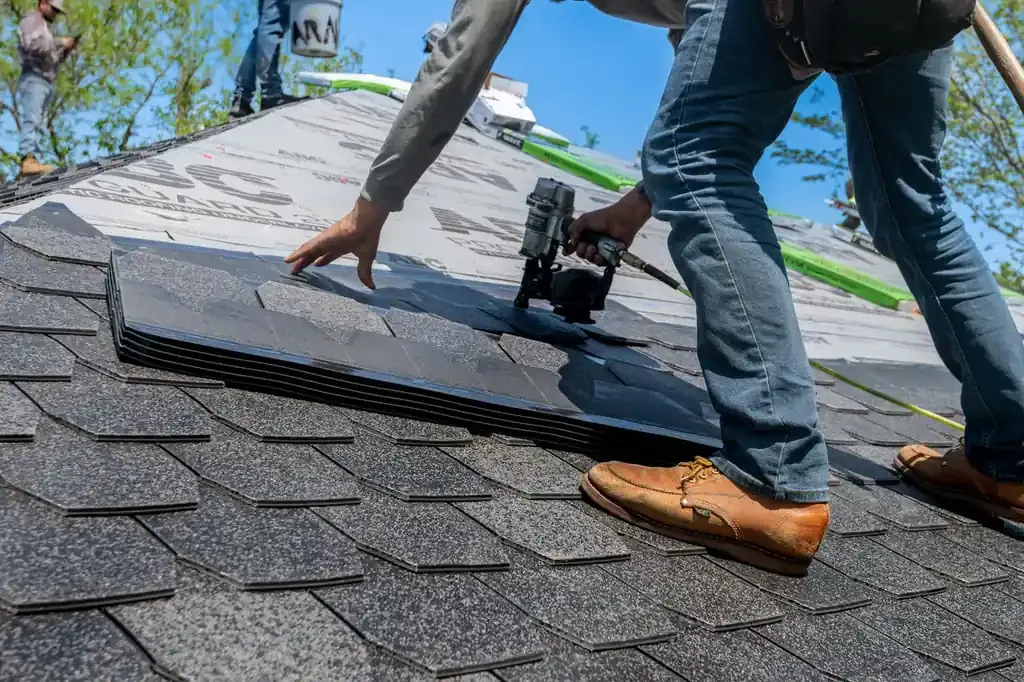
A roofing nail gun drives fasteners into the covering during installation. We follow the selected product's placement requirements so fastening remains consistent across courses and roof areas.
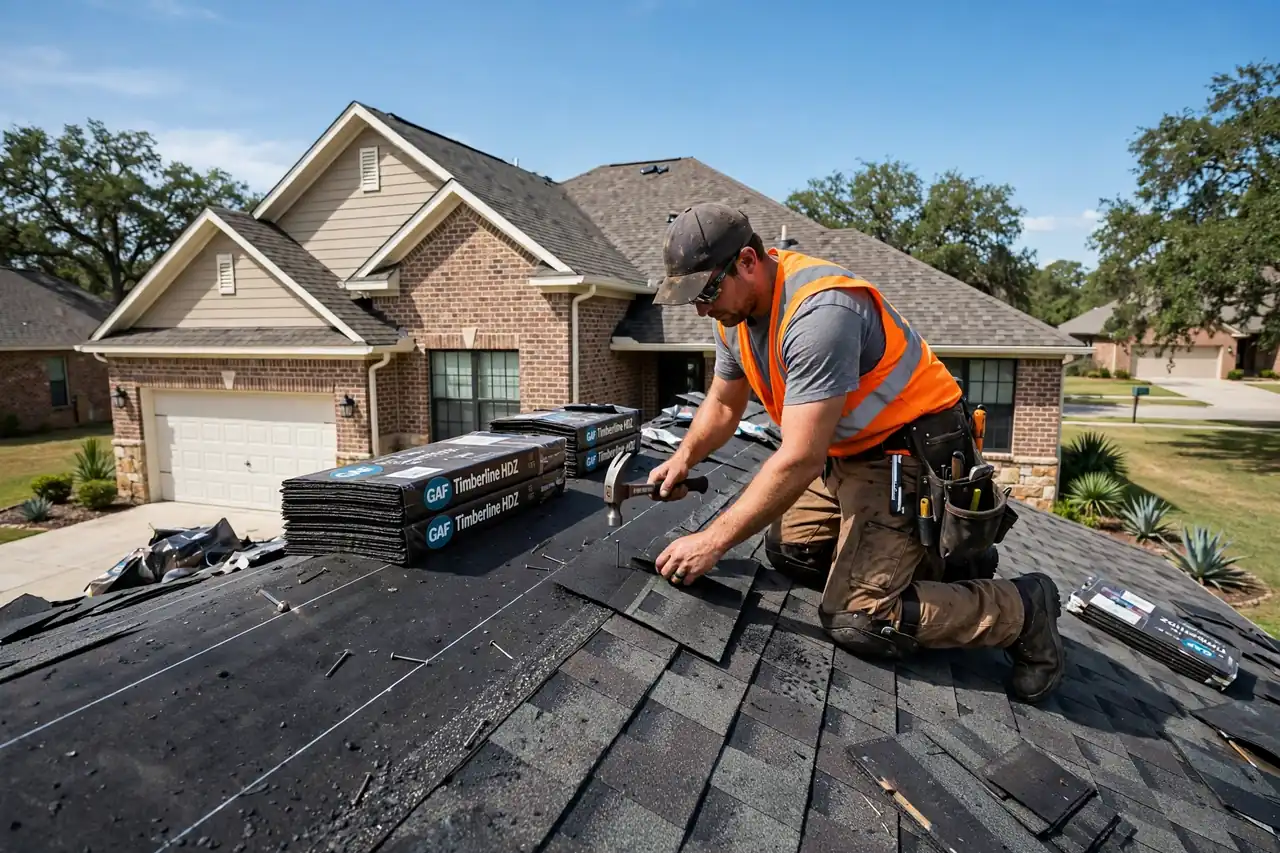
We snap chalk lines to guide shingle courses and maintain straight alignment from one section to another. Accurate layout is especially useful on long roof slopes and around visible edges.
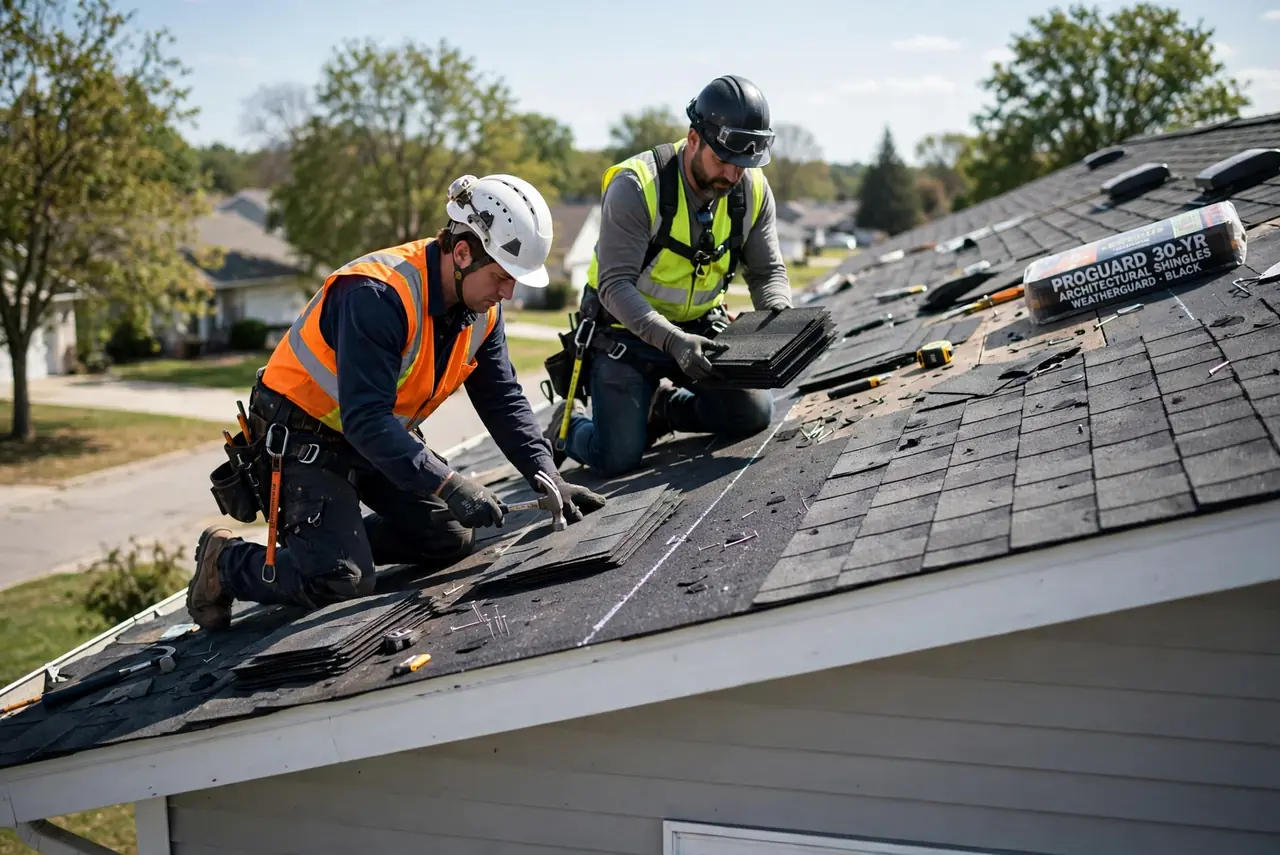
A moisture meter helps us investigate suspicious damp areas in accessible roof or attic materials. We use its readings alongside visual inspection to locate conditions that need further attention.
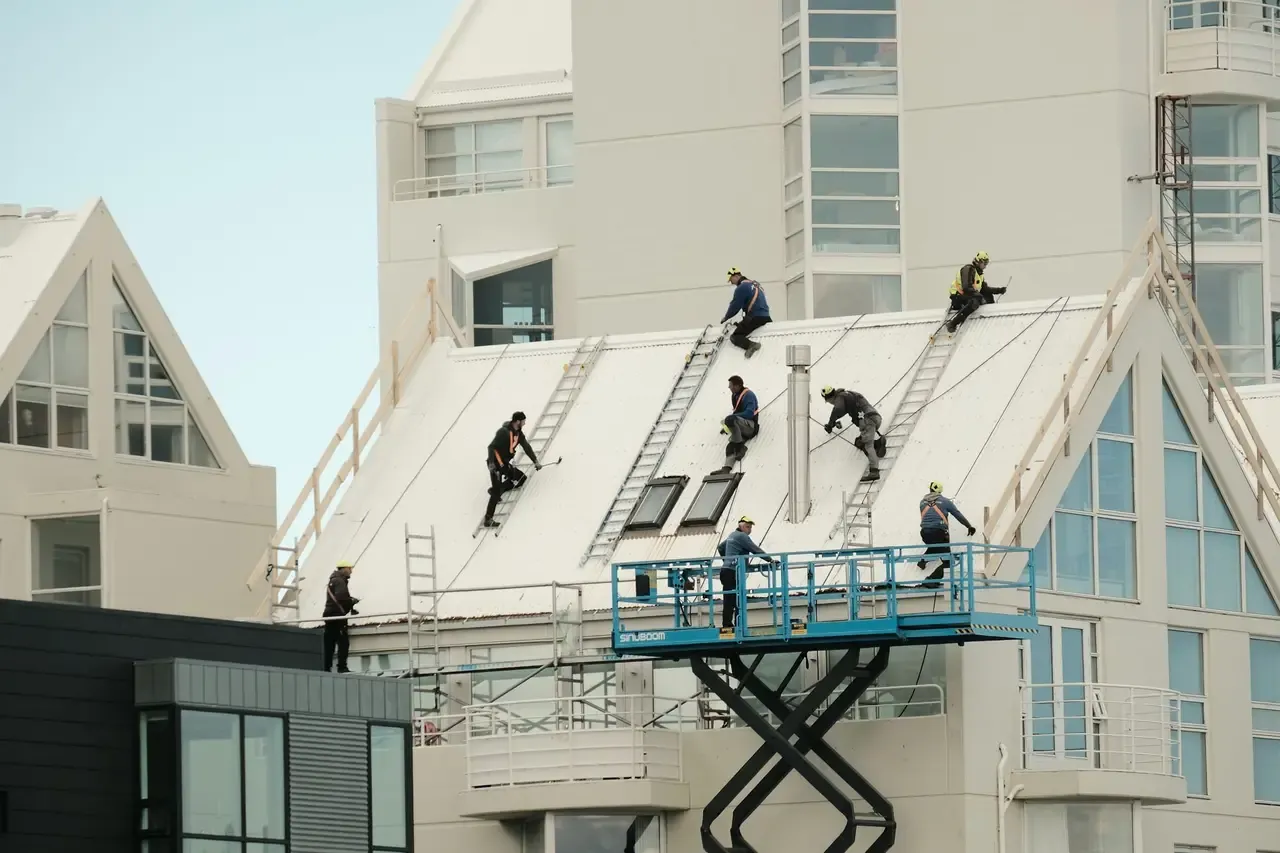
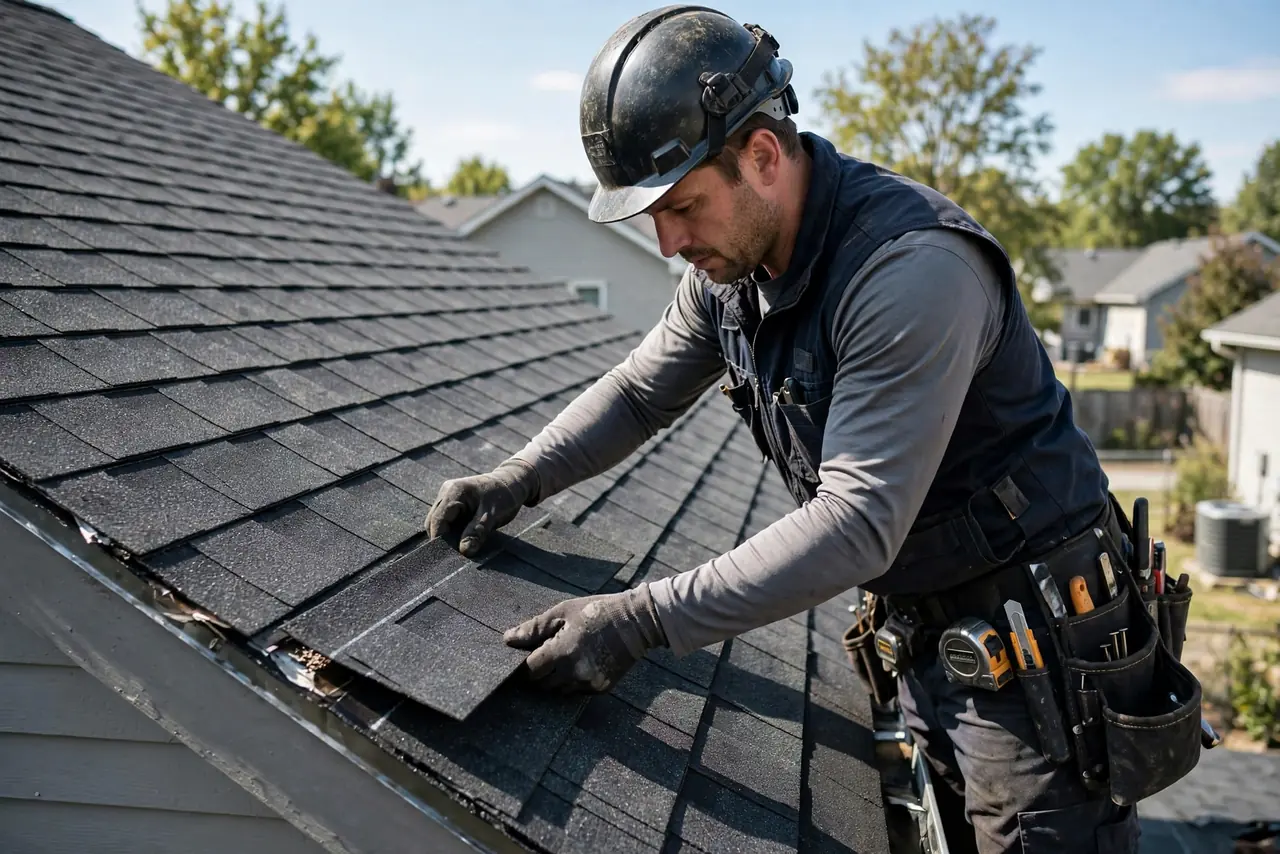
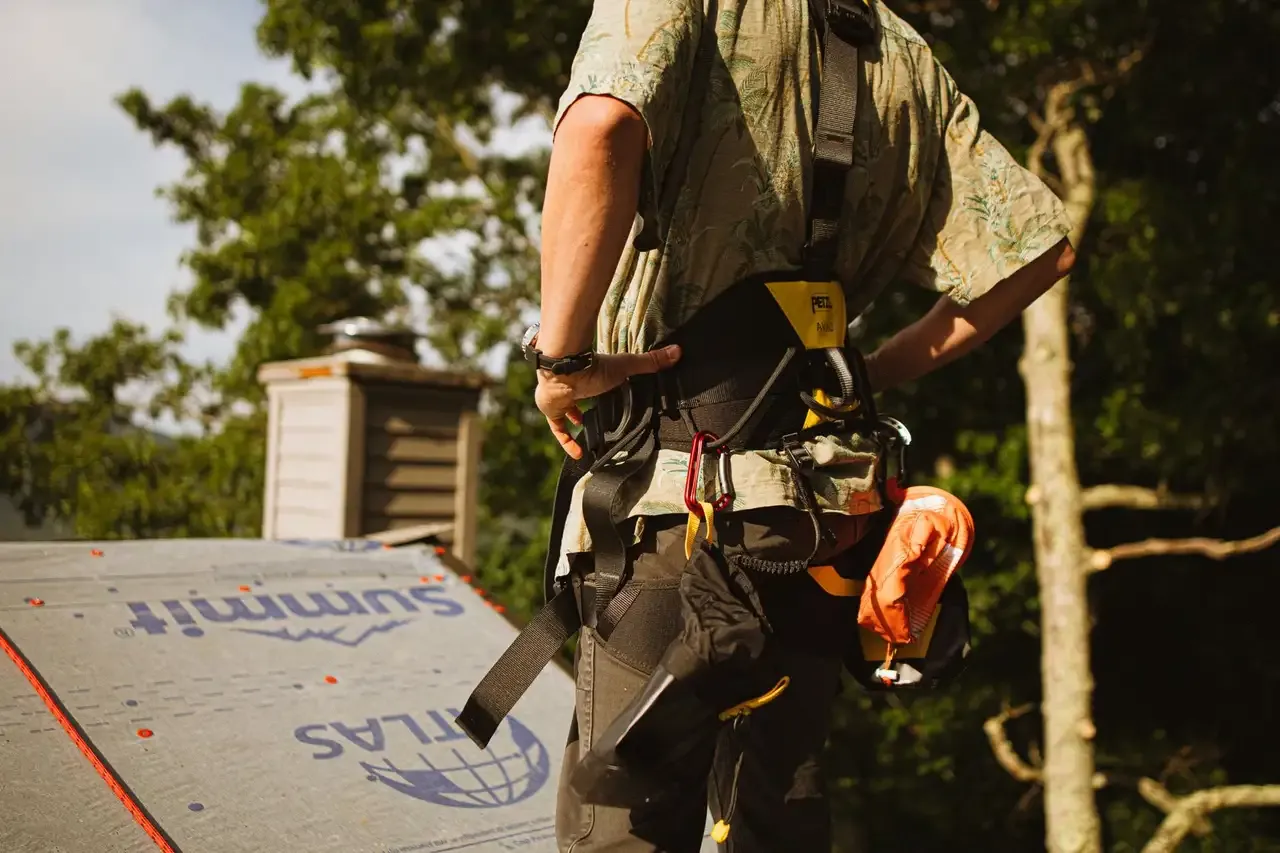
Our crew uses fall protection harnesses and appropriate roof access equipment to reduce exposure to fall hazards. Safe setup is part of preparing each work area before tear-off begins.
Thermal views are illustrative, generated from the photographs.
We remove the existing covering before installing the new system when the project calls for a full tear-off. Exposing the deck allows us to identify rot, loose panels, and unsuitable fastening areas. We correct those conditions before underlayment and roof covering conceal the structure.
Roof components go on in an order that directs water outward and down: deck preparation, underlayment, edge details, flashing, and the selected roof covering. We pay close attention to laps and transitions so water does not run behind an adjoining layer.
We install roofing materials according to their applicable product requirements, including fastening locations and layout. The crew uses straight reference lines and checks exposed edges as installation progresses. This keeps each roof section consistent instead of relying on visual judgment alone.
At completion, we check ridges, valleys, eaves, penetrations, and visible flashing for installation issues. We also review cleanup around the house and share job photos with you. The final walkthrough gives you a chance to ask questions while the work is easy to see.
A home in Willow Creek has leaks in two rooms despite recent patching around separate roof valleys.
We inspect both leak paths and compare their condition with the remaining roof surface. If the covering and underlayment have widespread wear, we plan a replacement that addresses the valleys, deck, and surrounding shingles together. We explain which components are included and why the repair cycle has not held.
Outcome: You get one coordinated roof project instead of repeated visits for unrelated leak symptoms, with affected decking repaired before the new covering is installed.
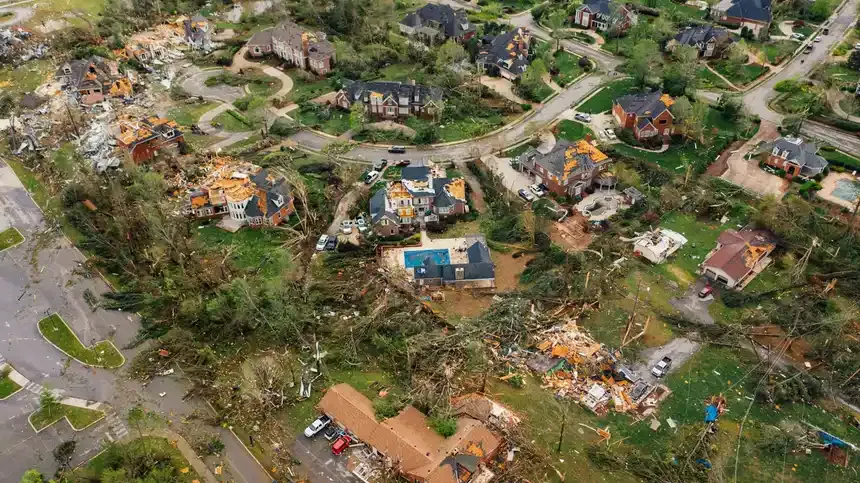
A Northpointe homeowner finds missing shingles and attic water staining after a strong windstorm.
We check the damaged slopes, ridge, edges, and attic for signs of water entry. If wind has loosened shingles across multiple sections, we discuss whether replacement is more effective than spot repairs. We also identify any areas needing temporary protection while the permanent roof work is planned.
Outcome: The homeowner sees which parts of the roof failed and gets a clear path from storm assessment to a weather-tight replacement.
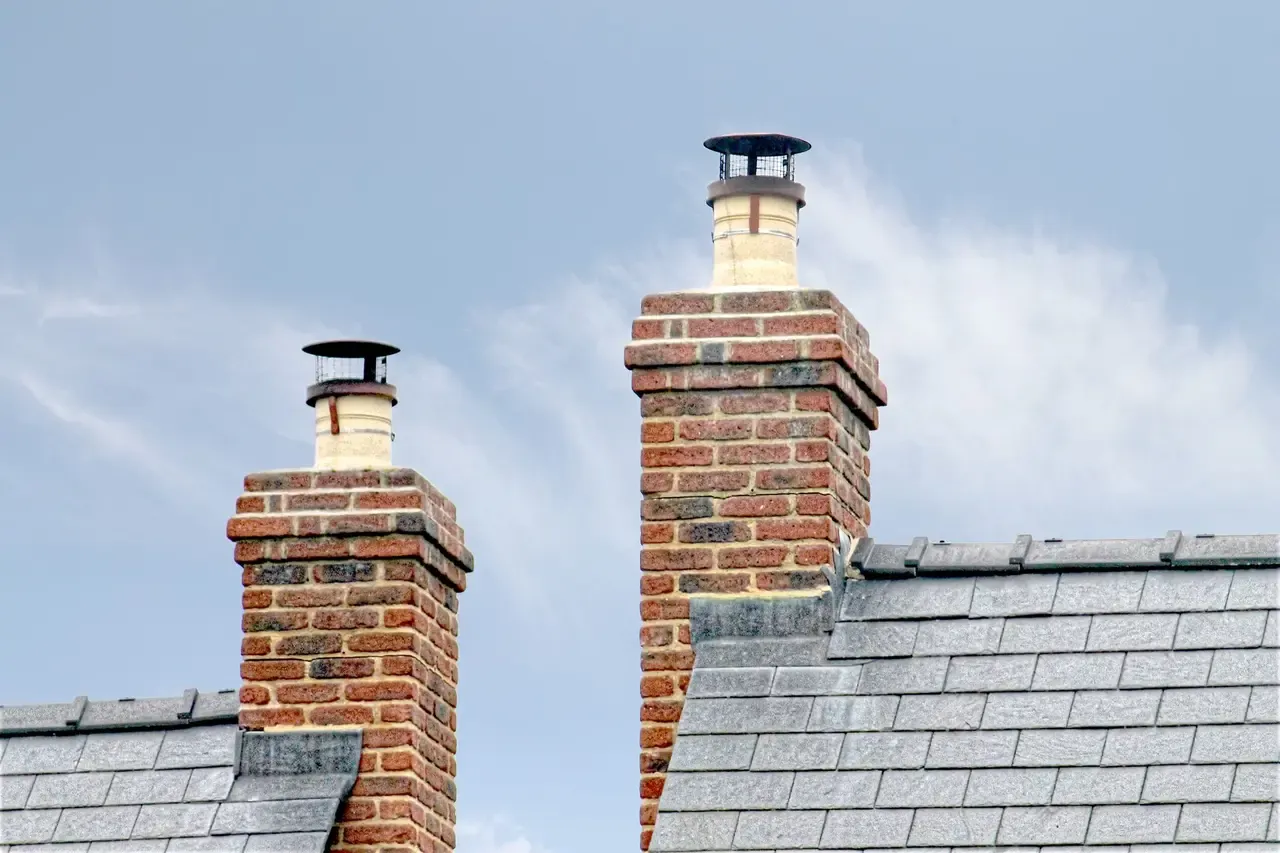
An older Tomball home has repeated ceiling stains, brittle shingles, and a soft roof section near the chimney.
We inspect the chimney flashing and surrounding deck, then assess whether deterioration is isolated or part of a broader roof failure. If replacement is the right call, we remove the covering, repair unsound decking, and rebuild the flashing connection before installing new materials.
Outcome: The finished roof has a stable base and renewed chimney details, addressing the conditions that allowed water to reach the ceiling.
A property owner in Old Town Tomball wants to change from aging shingles to a different roof covering.
We review the roof structure, slope, existing layers, and transition details before comparing compatible material choices. We explain how the selected system affects underlayment, fastening, flashing, and ventilation, then plan staging that suits the property's access.
Outcome: You can choose a roof covering with a clear understanding of the installation requirements and the components that support it.

Tomball's long hot periods, humidity, heavy rain, and seasonal storms put repeated stress on shingles, sealants, and roof transitions. We look for wind-lifted edges, hail impact, and moisture beneath flashing, then check the attic or exposed deck for signs of water travel. In neighborhoods with mature trees, we also consider debris and drainage around roof valleys and gutters.
Roof replacement services Tomball TX homes need should account for the roof's shape, materials, and local permitting authority, not simply swap one surface for another. We follow applicable requirements, including relevant IRC provisions, and confirm the process for the property location.
If your roof replacement in The Woodlands Hills TX involves steep slopes, multiple penetrations, or limited staging space, we plan access and debris handling before removal begins. We serve Tomball addresses in ZIP codes 77375 and 77377, including homes in Downtown Tomball, Amira, and Northpointe.
Before: The homeowner had repaired a ceiling stain twice, but water returned after heavy rain. Several shingle courses near the valley were brittle, and the deck was damp where the old flashing had failed. The surface patch covered part of the symptom without resolving the water path beneath the roof.
After: We removed the affected roof covering, replaced a damaged decking section, and rebuilt the valley detail before installing new shingles. The work took two days. Photos showed the repaired deck and flashing before they were covered, and the completed roof had a continuous drainage path through the valley.
Keep the valley free of leaves and check the ceiling after major rain. If a new stain appears, call before the area stays wet long enough to damage the deck or insulation.
Before: A strong windstorm lifted shingles along the ridge and left several edges loose on two slopes. The attic had a small water mark, and nearby shingle seals were brittle. The homeowner needed to know whether scattered repairs would hold or whether the roof had failed across a wider area.
After: We inspected each slope and replaced the full covering after finding widespread loosened shingles. The crew completed the installation in three working days, including new underlayment and ridge details. The customer received photos of the roof edges and ridge after installation, along with a walkthrough of the finished work.
After a major storm, look from the ground for missing shingles and check accessible ceilings for new stains. Avoid climbing onto the roof; have damaged areas inspected safely.
Before: The roof had curling shingles on several elevations, cracked material near a chimney, and repeated gutter overflow during rain. Water had not yet reached every room, but multiple roof details were nearing failure and the homeowner wanted to address them together.
After: We removed the old shingles, checked the roof deck, renewed the chimney flashing, and installed a complete shingle system. The two-day project included attention to roof edges and ventilation details. The homeowner received a photo record of the deck inspection and the completed roof transitions.
Clear leaves from roof drainage areas and have flashing checked during routine roof inspections. Early attention to loose or damaged details helps preserve the new covering.
When several roof areas fail together, repeated repairs can leave you paying for symptoms instead of correcting the system. We assess the roof as a whole, explain what is damaged, and identify whether replacement offers a more complete answer. The decision is based on visible conditions and the roof's ability to keep water out.
A complete system addresses roof covering, vulnerable details, and the deck beneath.
New shingles alone will not solve a leak caused by failed flashing or soft decking. We check roof valleys, pipe and wall transitions, and the underlayment during removal, then rebuild affected sections before covering them. The result is a continuous drainage path instead of another temporary patch over an unresolved opening.
We compare asphalt shingles and metal roofing panels against your roof pitch, existing structure, and appearance goals. Product options can include GAF Timberline or Owens Corning Duration, subject to the system selected for your home. You receive a clear explanation of material differences, fastening details, and the components that complete the roof.
A tear-off exposes the roof decking so hidden deterioration can be found rather than concealed. We replace damaged sections as needed and install roof underlayment, drip edge, and flashing details in the correct sequence. This gives your new covering a sound base and helps prevent moisture from reaching the framing.
Before work starts, we discuss access, material selection, and how the crew will protect the property. Most straightforward homes take one to three working days, with weather and roof complexity affecting the schedule. You know the planned work stages and whom to contact if a question comes up.
Clear records you can keep and share.
Images of visible conditions and installation stages.
Description of completed roof tasks.
Selected roofing products and components.
Practical maintenance points for the installed system.
The size and spread of roof failure help determine whether localized repair or a complete replacement makes sense.
Targets a limited damaged area on an otherwise sound roof.
Replaces a defined roof section when damage is concentrated.
Rebuilds the roof covering across widespread deterioration.
A list like this tells people straight away whether you cover their street. Not listed? Call and ask: it only takes a minute.
Based in Tomball and covering the places around it. Pick one for local details.
In 2026, a straightforward asphalt-shingle project generally costs less than a steep roof or a system with extensive flashing and wood replacement. We inspect the roof, measure the work area, and explain the cost drivers before you decide. The final amount depends on the actual roof and selected materials.
Most single-family roof replacements take one to three working days. A simple roof with clear access may be completed in a day, while steep slopes, multiple roof planes, decking repairs, or unsettled weather can extend the schedule. We tell you the expected sequence before starting and keep the exposed roof protected as work progresses. The crew also checks the site at day's end so loose material does not remain around your home.
Permit requirements depend on the property location and the scope of the roofing work, so we check the applicable rules before installation. Tomball-area projects can fall under city or county jurisdiction, and work must follow the codes adopted by the authority having jurisdiction. A like-for-like repair and a full replacement may be treated differently. We discuss the project details and confirm the applicable permit process for your address.
Choose a Tomball roof replacement company that inspects the deck, explains flashing and ventilation details, and provides a clear work sequence. Ask how the crew handles tear-off, property protection, cleanup, and changes found after the old roof comes off. We walk you through those points and show the roof conditions behind our recommendations. A useful comparison focuses on the actual materials and installation steps, not just a low headline price.
Other services from the same team.
Tell us what you see, from ceiling stains to missing shingles, and we will inspect the roof and explain the next step. Call Tomball Roofing Experts at (877) 791-3217 to discuss your home and arrange a roof assessment.
Call (877) 791-3217 to discuss roof replacement, roof repair, a leak, or storm damage at your Tomball property. Our phone team can hear the details and connect your request with an independent roofing company. Contact us during regular business hours, Monday through Friday, 8 a.m. to 6 p.m.; for active water entry, describe where it is happening when you call.