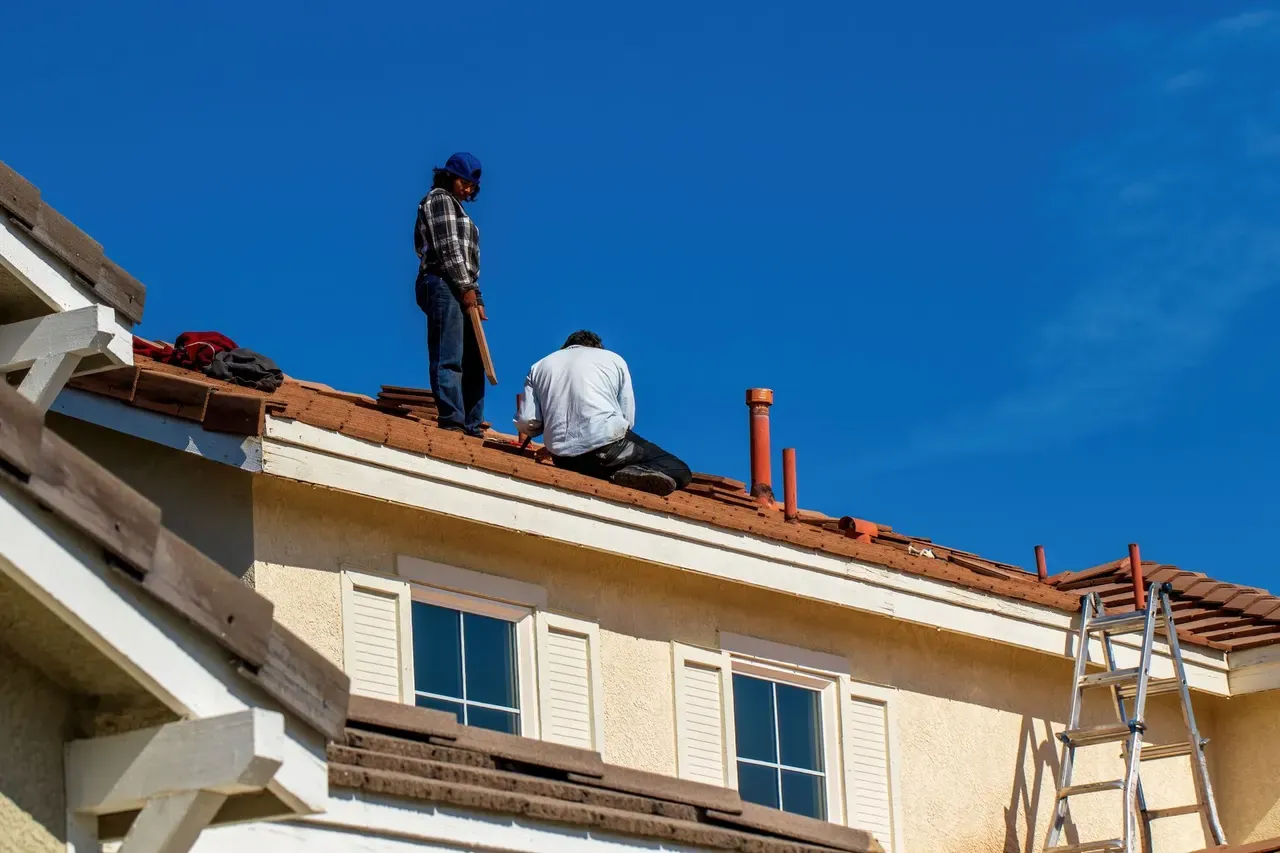
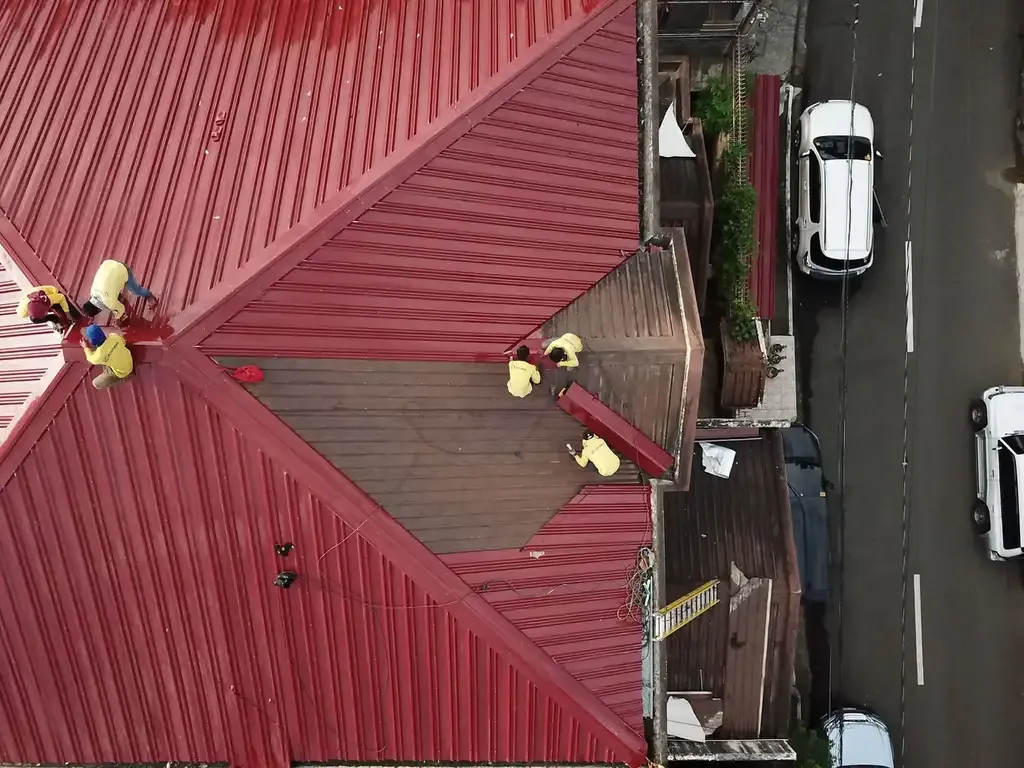
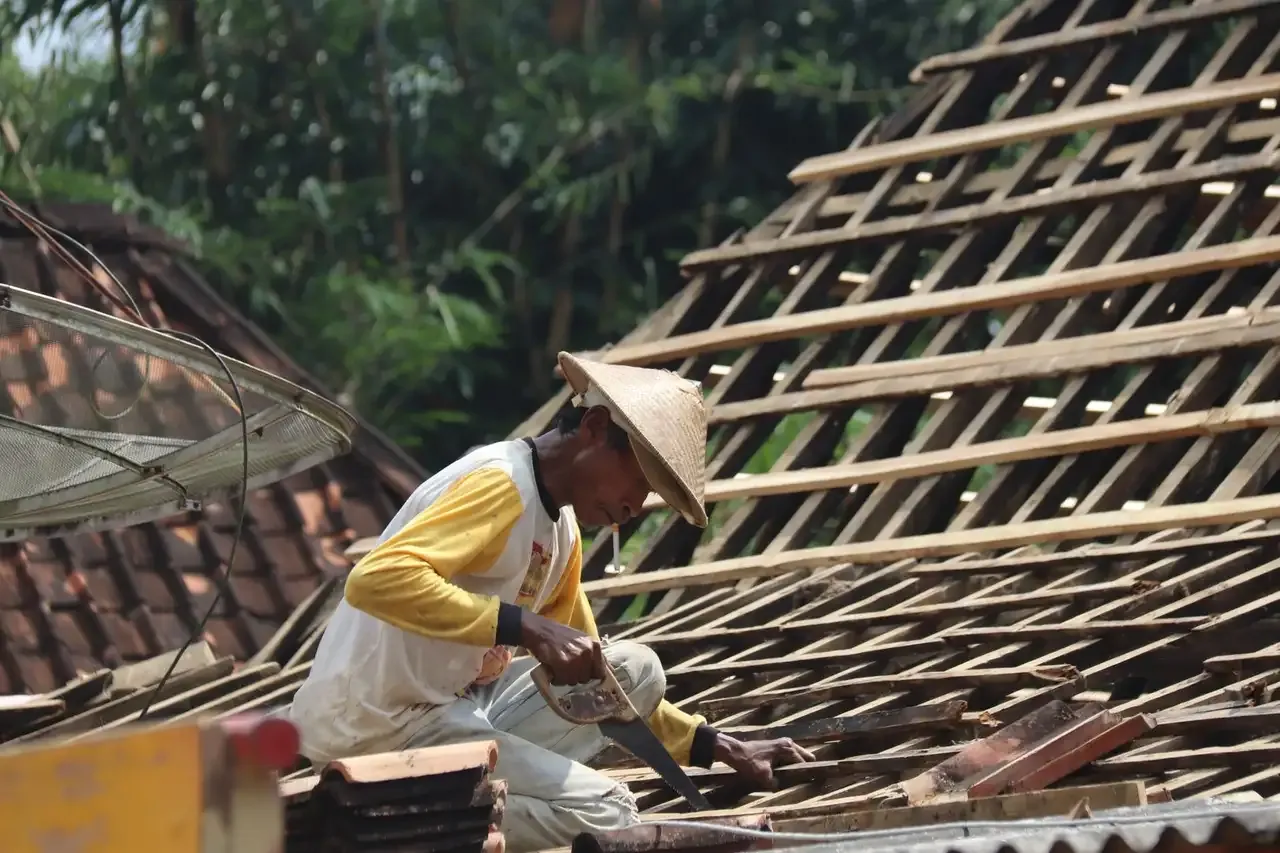
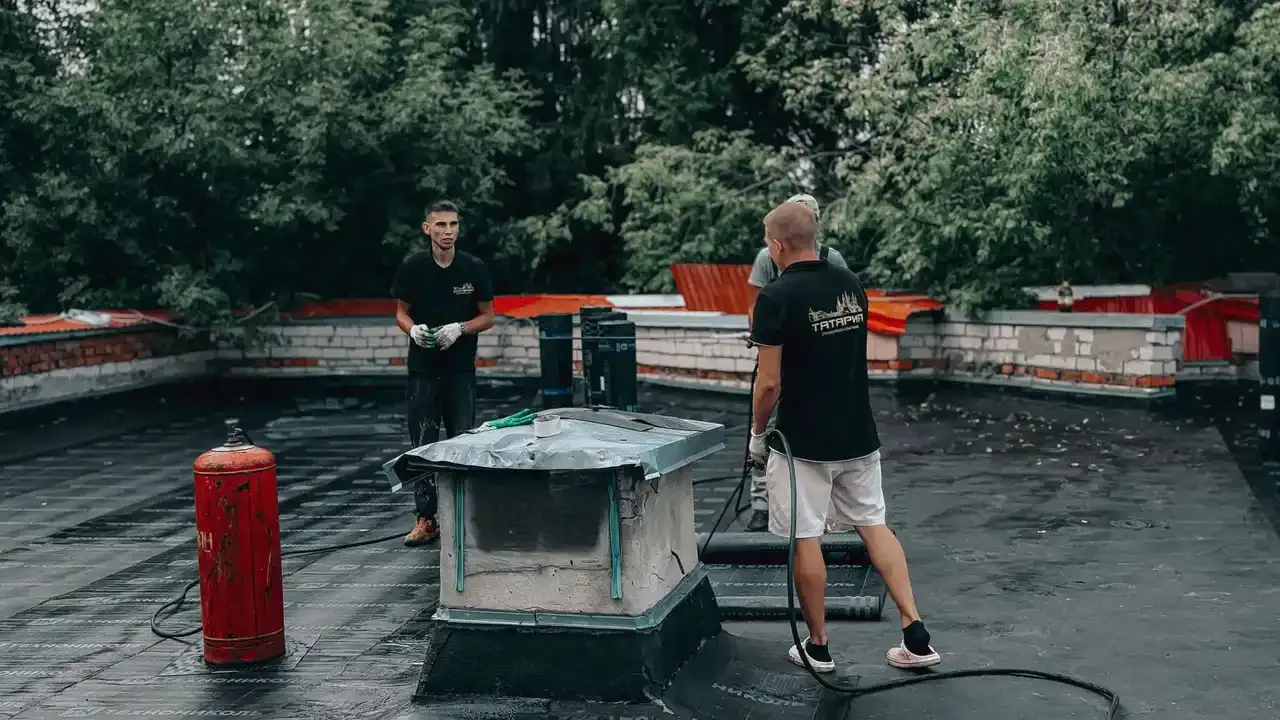
Roof underlayment replacement Tomball TX for lasting protection
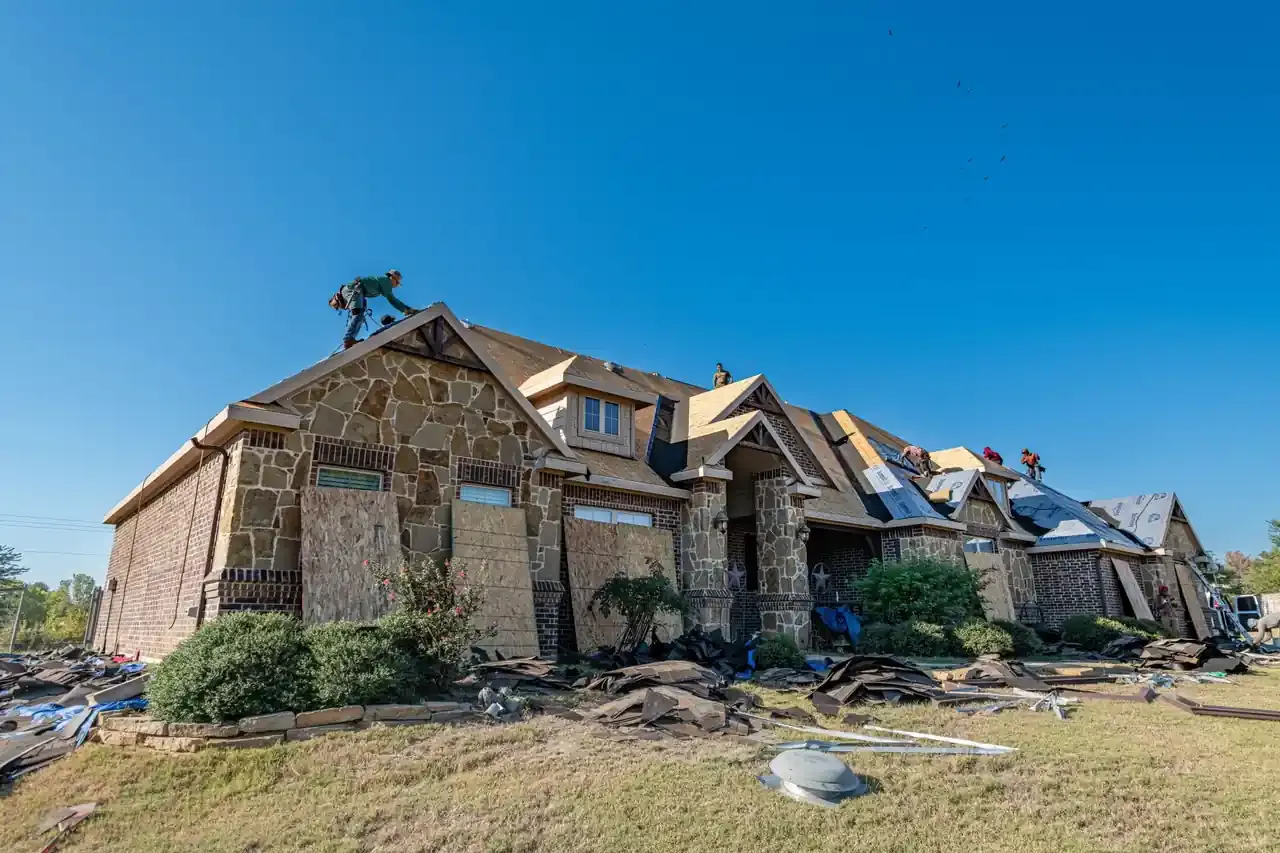
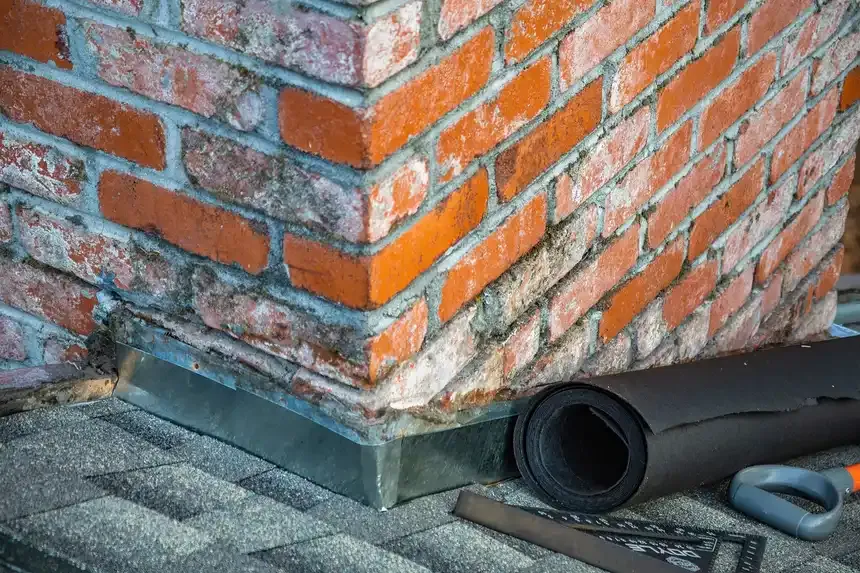
Roof underlayment replacement Tomball TX restores the protective layer beneath your shingles or roof covering when it tears, ages, or lets water reach the decking. We help Tomball homeowners and property managers address leaks, storm damage, and roof work that has exposed failing material. Our team inspects the roof assembly, explains the repair, and installs compatible underlayment so your finished roof has a sound secondary water barrier.
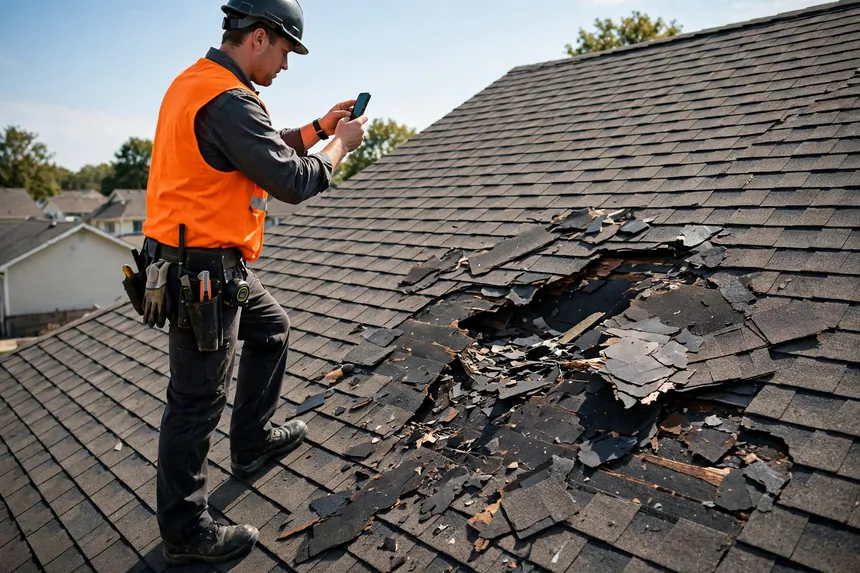
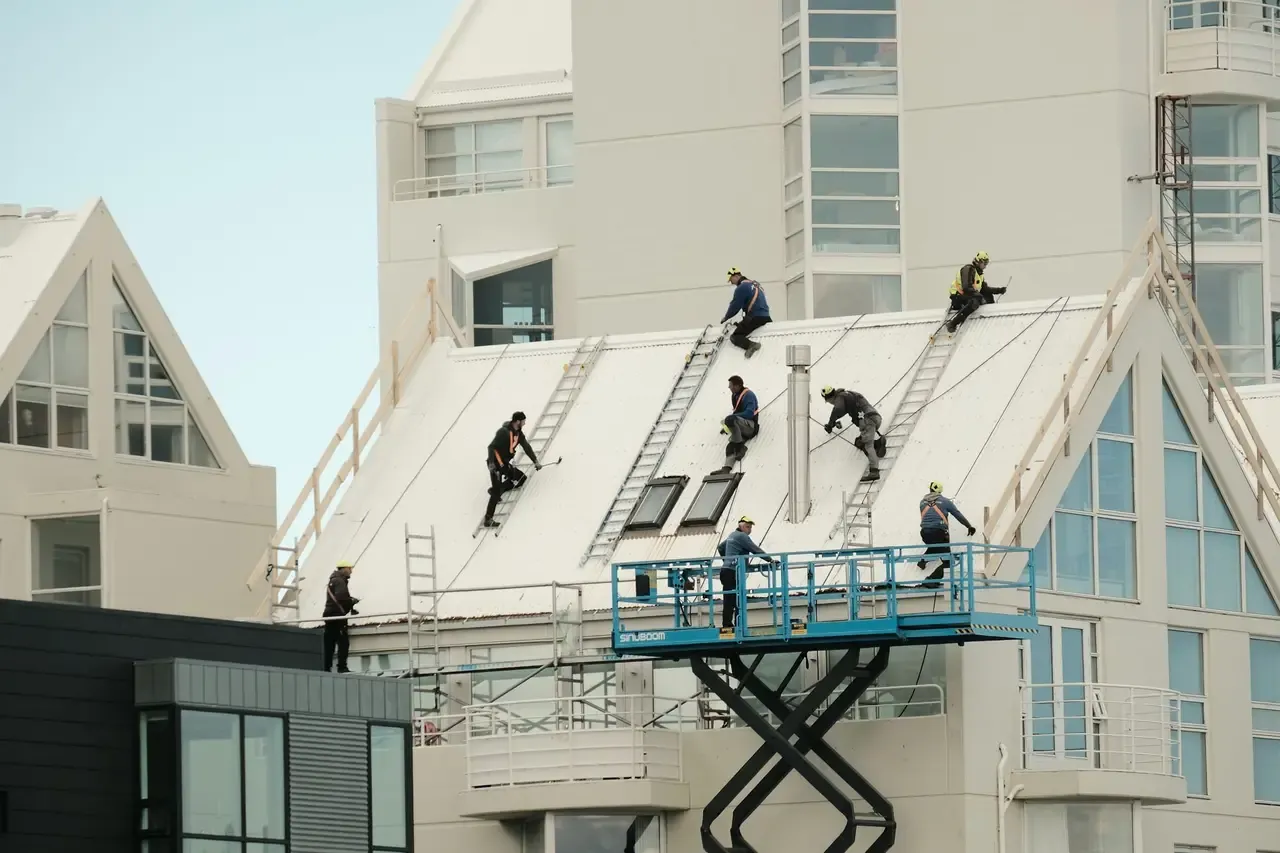
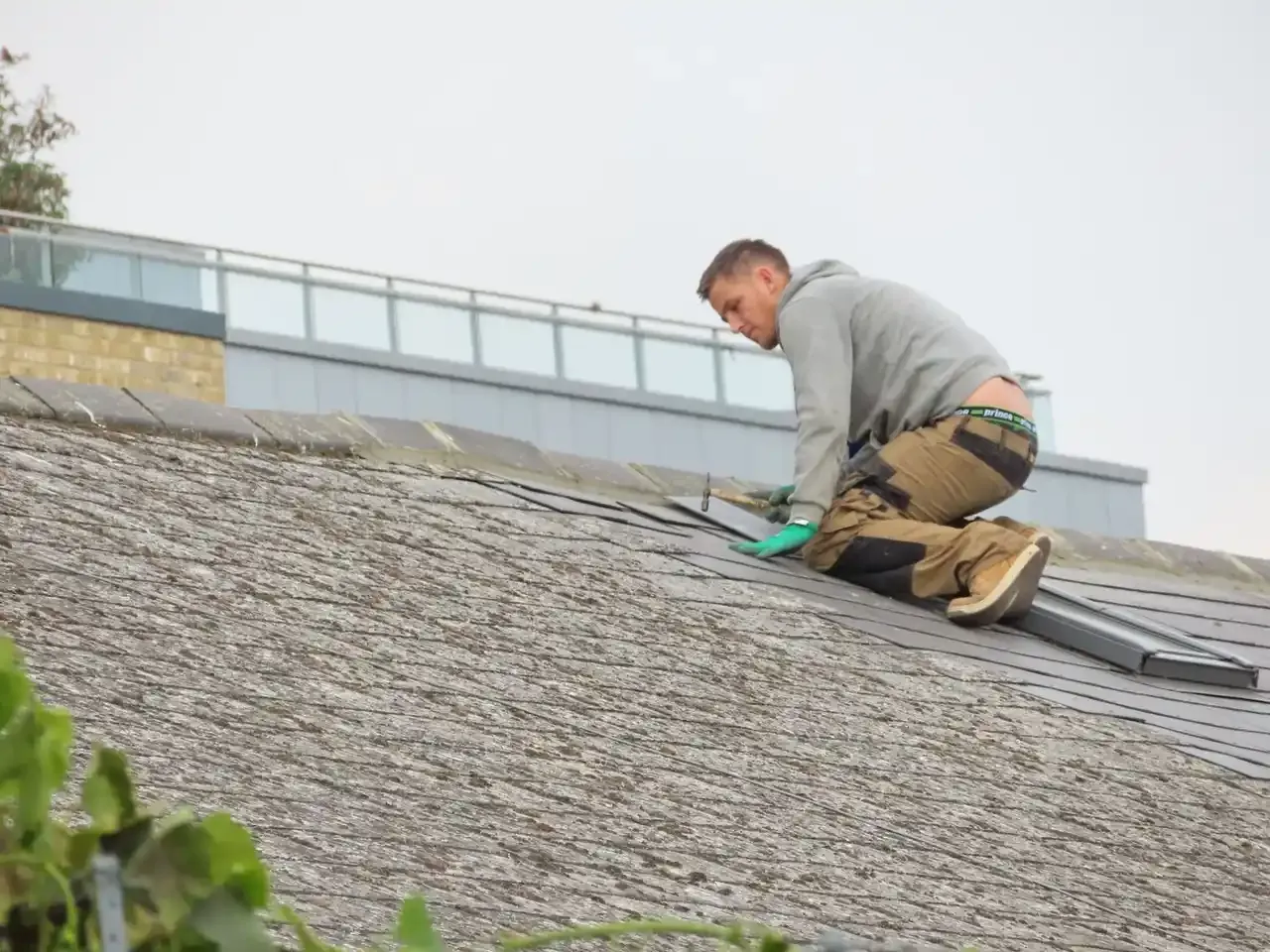
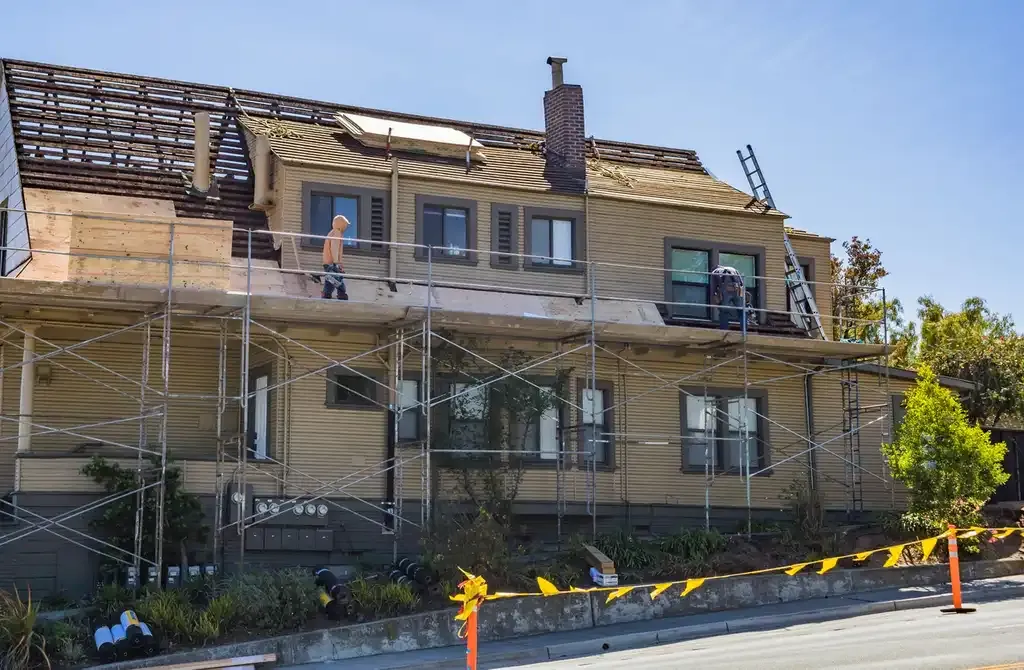
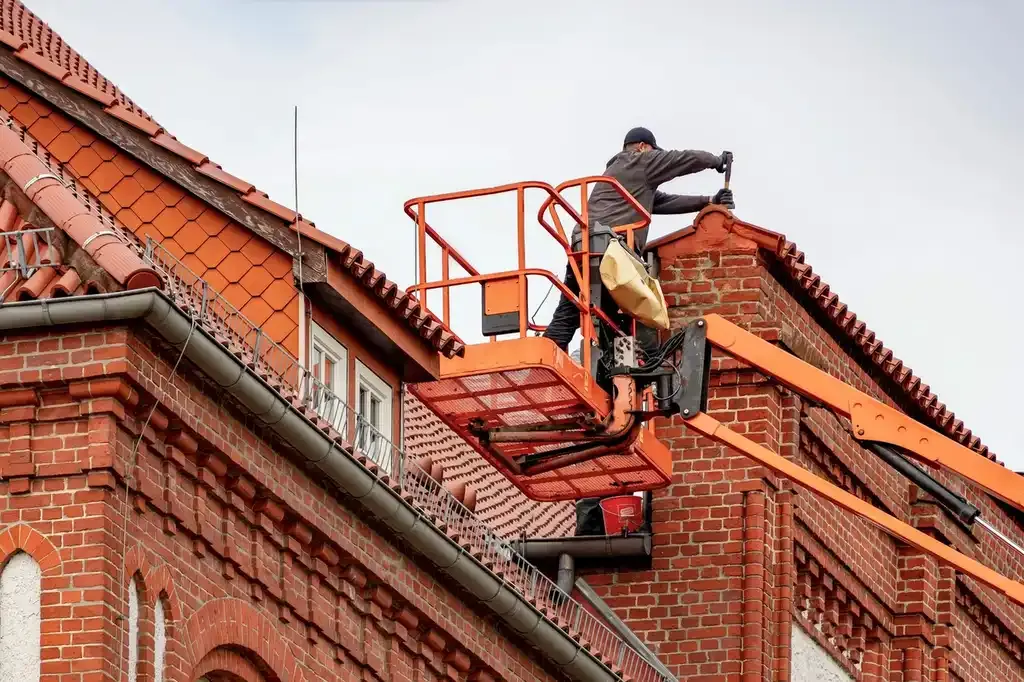
Photo recordsWe document concealed and finished areas
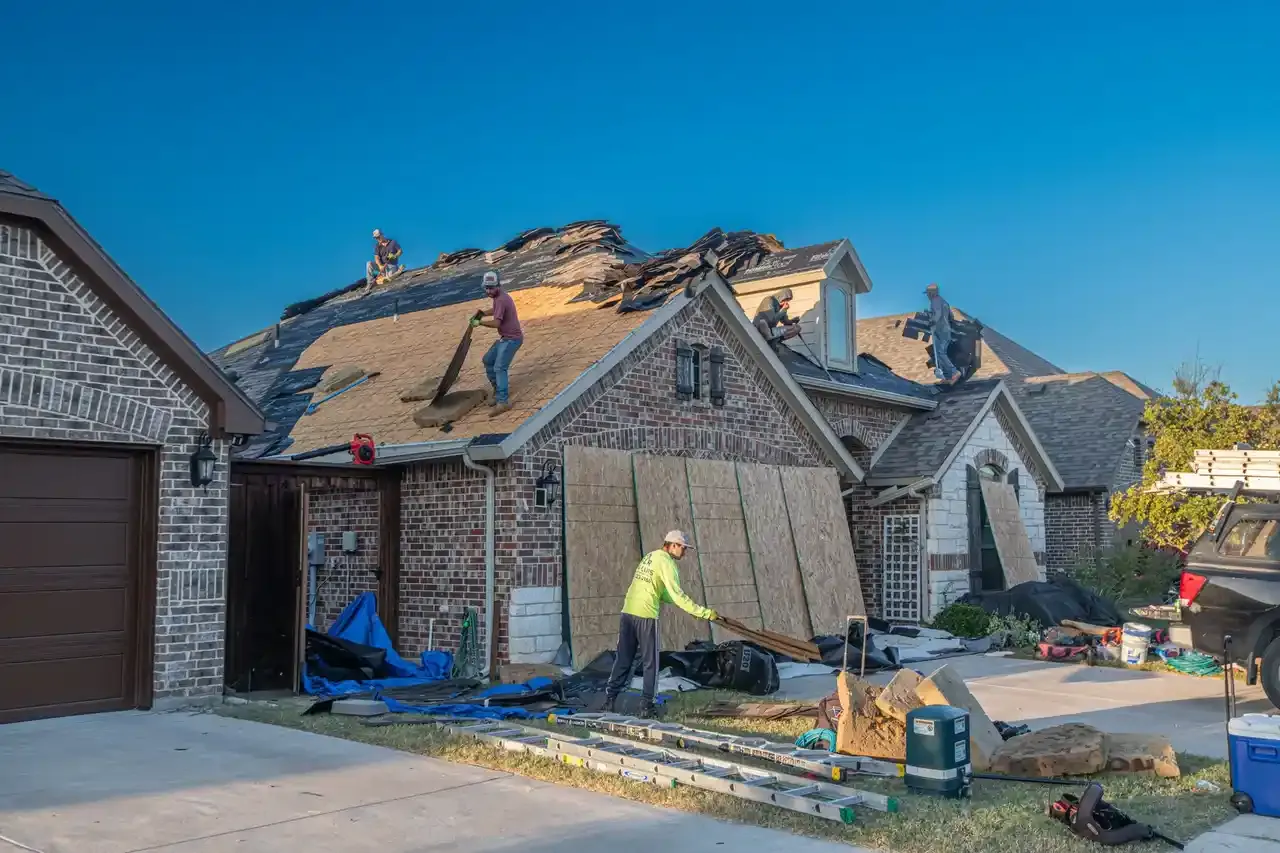
Protected setupWe prepare the work area before opening
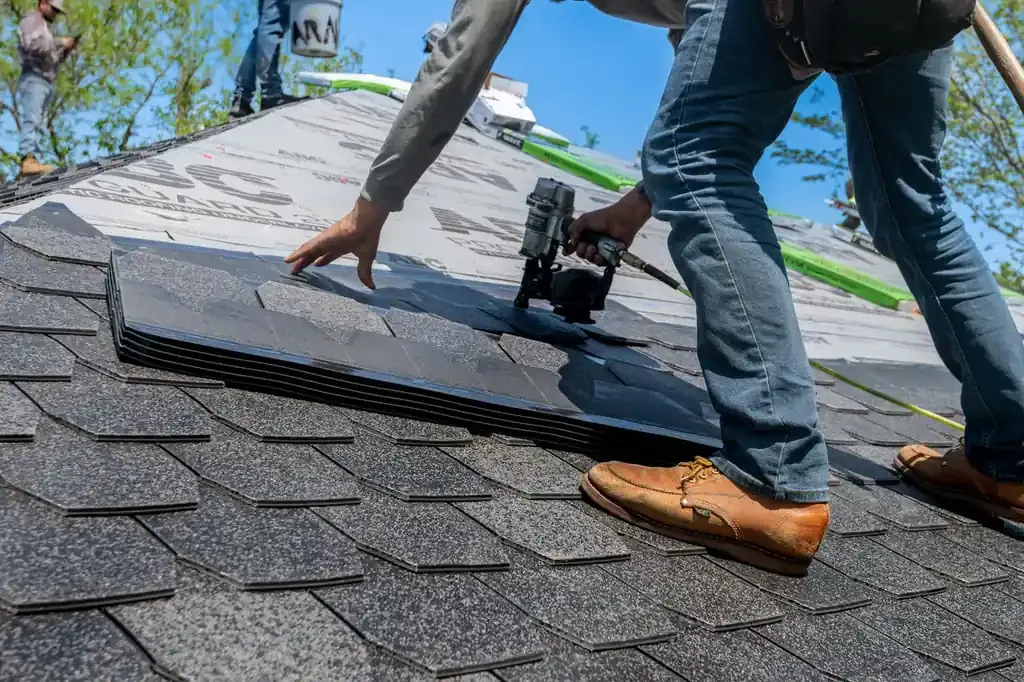
Measured cutsWe fit material to roof transitions
Final walk-throughWe review the completed repair with you
What underlayment replacement includes
A standard repair covers access to the failed area, removal of damaged underlayment, inspection of exposed decking, installation of compatible replacement material, and restoration of the disturbed roof covering. We also check nearby roof transitions and document the work. Decking replacement, extensive shingle or tile replacement, and repairs to unrelated roof areas are additional work only when inspection shows they are needed; we explain those findings before expanding the repair.
Leak-area inspection
We trace the likely entry point from roof and attic evidence, checking nearby flashing, valleys, and roof edges. This step helps define how much covering must be lifted and whether water has traveled beyond the visible stain.
Careful roof opening
We remove enough shingles, panels, or tiles to reach the failed underlayment and inspect the deck. The opening is kept focused on the damaged area while allowing access to sound material for proper laps and integration.
Deck condition check
We inspect the exposed roof decking for soft, swollen, or rotted sections. Sound wood remains in place; damaged sections are identified for correction before the replacement underlayment is installed.
Compatible material fitting
We select replacement material suited to the roof covering and detail its overlaps, edges, and penetrations. Installation follows product directions and applicable requirements so water can drain over the layer rather than behind it.
Roof surface restored
We reinstall or replace the disturbed roof covering and check the surrounding transition for exposed fasteners or gaps. The repair is photographed, and debris from the work area is cleared when the job is complete.
Homes and businesses.
The approach is the same for a home and a business. What changes is the access, the schedule and who needs the paperwork.
For homes
We help homeowners and tenants trace roof leaks, protect interior spaces, and understand which roof layers need repair. You receive a clear explanation of the opened area and completed work.
Ceiling stains after rain
Lifted shingles near an eave
Damp attic insulation
For businesses
We work with owners and property managers to locate leaks around roof penetrations, valleys, and membrane transitions. We document affected areas so repairs are easier to track.
Roof underlayment replacement Tomball TX is a roofing repair that renews the water-resistant layer beneath the roof covering when that layer is damaged or no longer protecting the deck. We remove enough shingles, panels, or tiles to reach the affected area, check the roof decking, then fit underlayment suited to the roof design and covering. The layer is fastened and lapped to direct water downslope, with extra attention at valleys, penetrations, and eaves. We then reinstall or replace the roof covering and check the transitions.
Tomball roofs face heavy rain, humidity, heat, and wind-driven storms; a small breach can leave roof decking damp long before a ceiling stain appears. Our roof underlayment replacement in Tomball, Texas addresses storm damage, flashing leaks, and brittle material uncovered during roof repairs. If you notice attic water damage or curling shingles, an inspection can distinguish a surface shingle problem from underlayment failure. For roof underlayment replacement cost in Tomball TX, the affected area, roof pitch, covering, and any rotten decking all matter.
Underlayment replacement renews the water barrier beneath roof covering and protects sound decking.
What it is
Replacement of the water-resistant layer beneath shingles, tile, metal, or another roof covering.
When needed
When inspection finds torn, deteriorated, or water-compromised underlayment.
What to expect
A focused roof opening, deck check, new material, restored covering, and job photos.
What to expect during the repair
Roof underlayment replacement in Tomball follows a practical sequence: locate the failure, protect the work area, expose the roof assembly, install compatible material, and check the finished surface. We explain each step before moving into the next.
Inspect and trace
We begin with a roof and attic inspection to trace the water path, check flashing, and look for staining or damp decking. A moisture meter helps assess suspect areas without guessing from the ceiling mark alone. The inspection usually takes 30 to 60 minutes, depending on roof access and leak locations, and we explain what we find.
Trace leak
Check attic
Explain findings
Protect and open
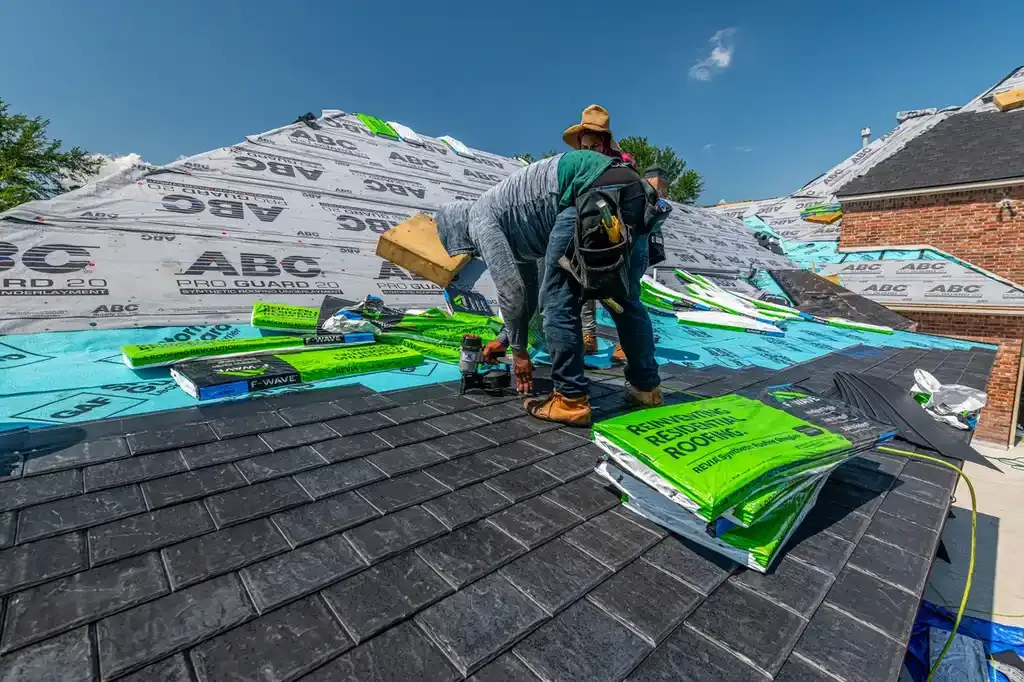
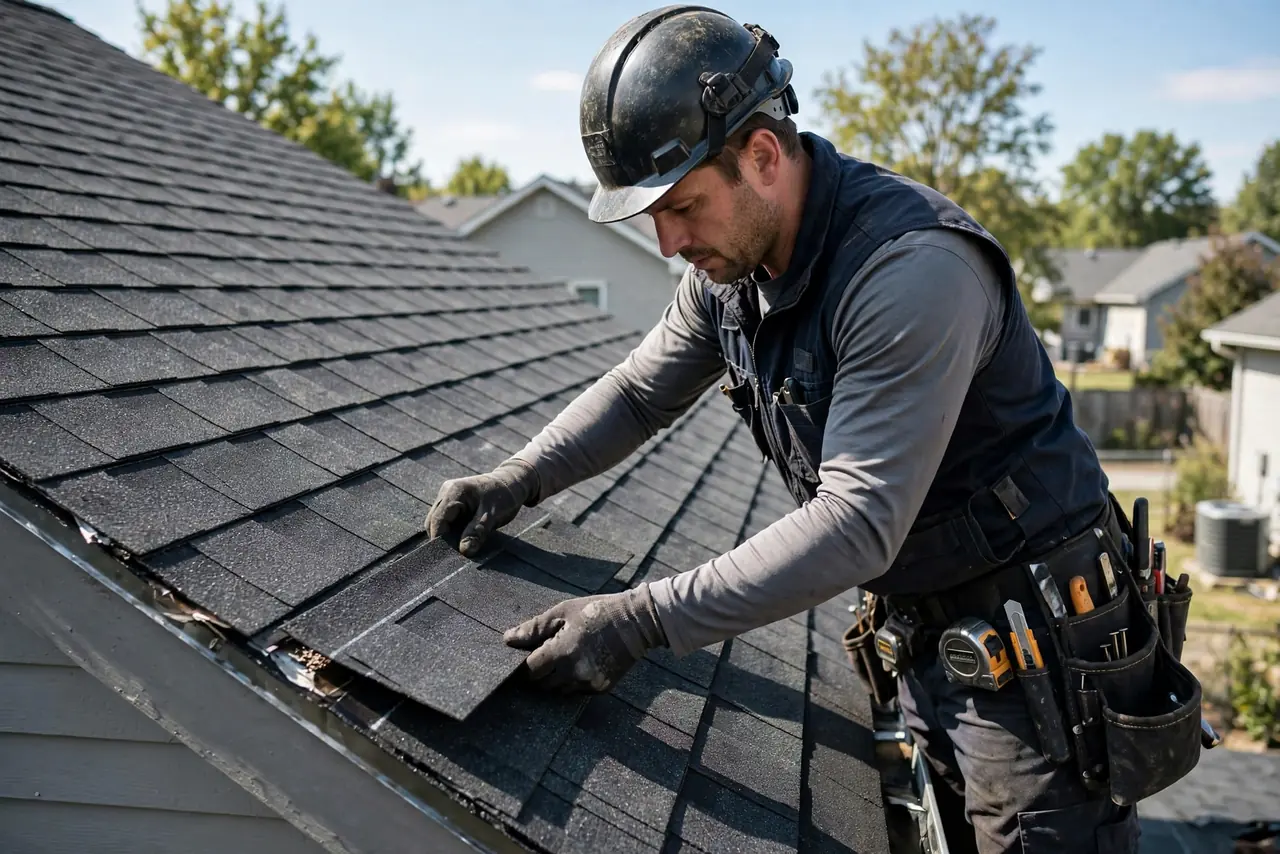
Our crew positions a roofing ladder and fall protection harness, then protects landscaping and the work area. We remove only the roof covering needed to reach the damaged underlayment, using a pry bar or shingle ripper where suitable. A typical accessible repair area takes about one to three hours to expose, though a steep or complex roof takes longer.
Protect area
Lift covering
Expose layer
Check the deck
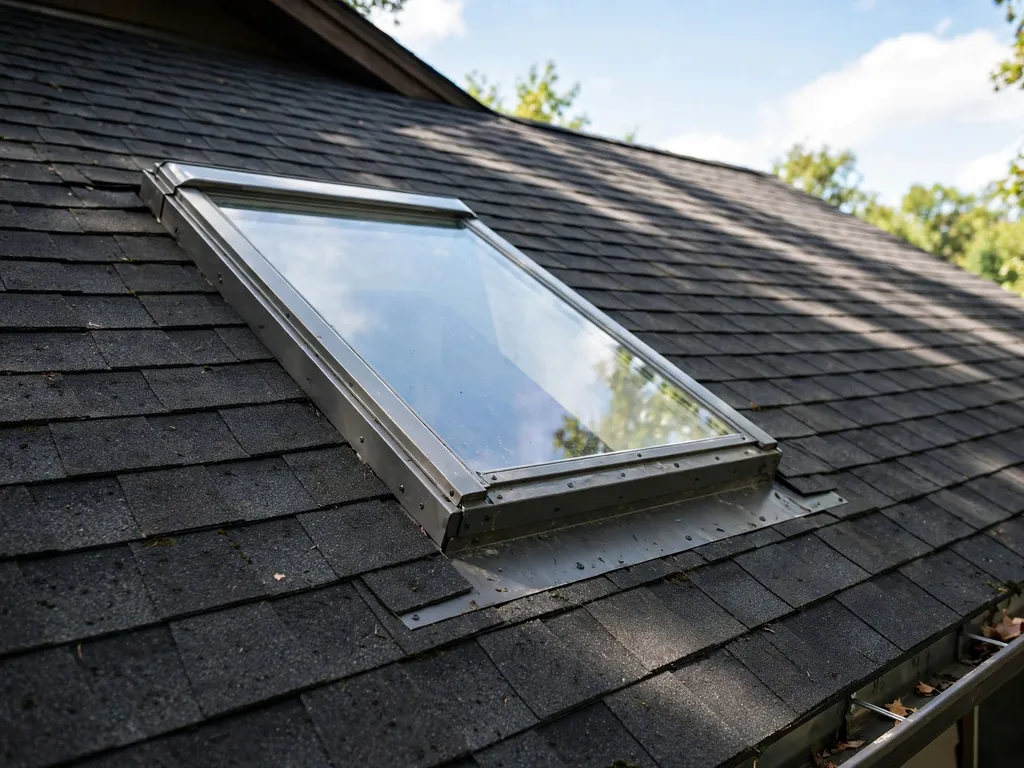
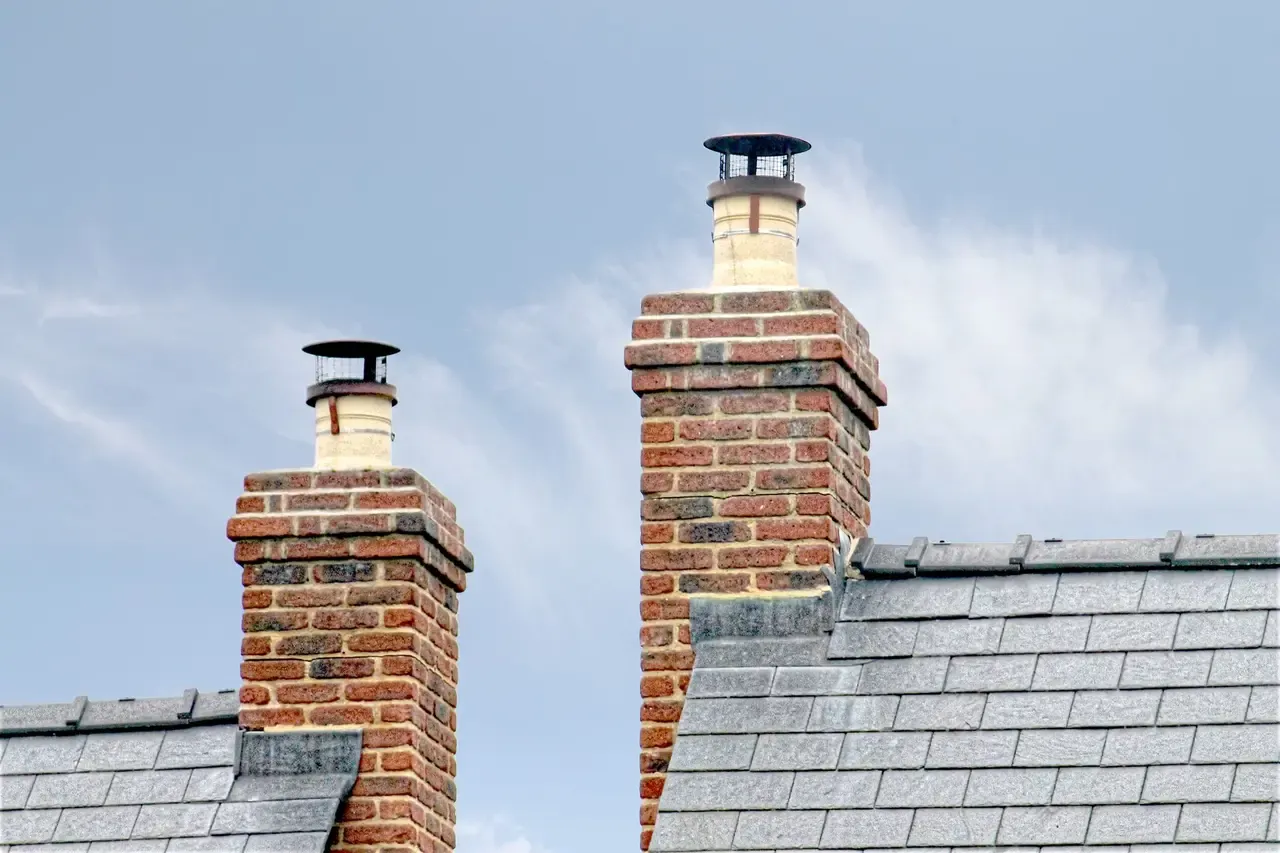
With the underlayment exposed, we inspect the decking, fasteners, and nearby roof transitions. Soft or rotted sections need correction before the new layer goes down; sound decking stays in place. We show you any concealed damage and explain how its location affects the repair, especially around a valley, chimney, skylight, or eave.
Inspect deck
Mark damage
Review repair
Install new layer
We cut and fit underlayment to the roof plane, maintain the required overlaps, and detail edges and penetrations according to the product instructions and applicable code. Ice and water shield may be used at locations where the roof design calls for added protection. The material must lie flat and drain correctly before we reinstall the roof covering.
Fit material
Detail laps
Seal transitions
Finish and document
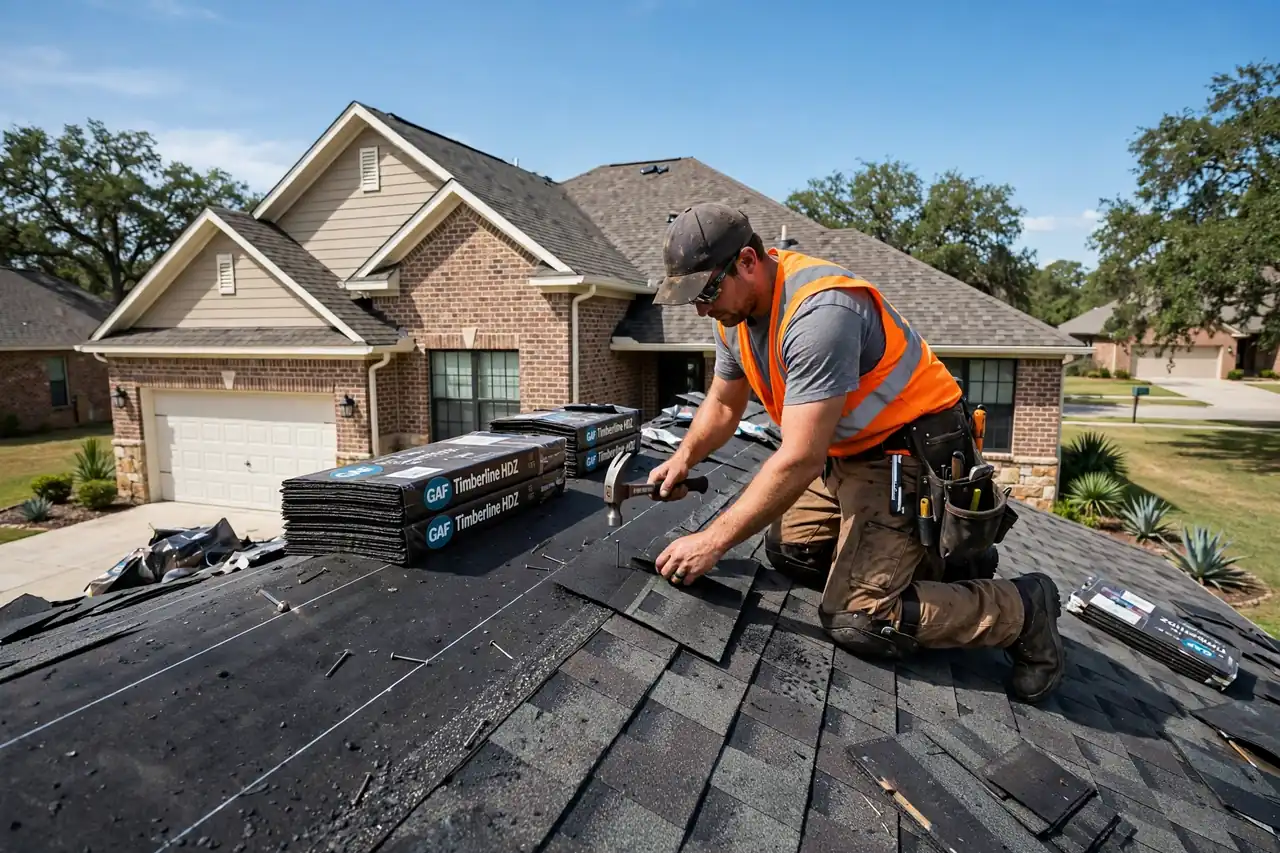
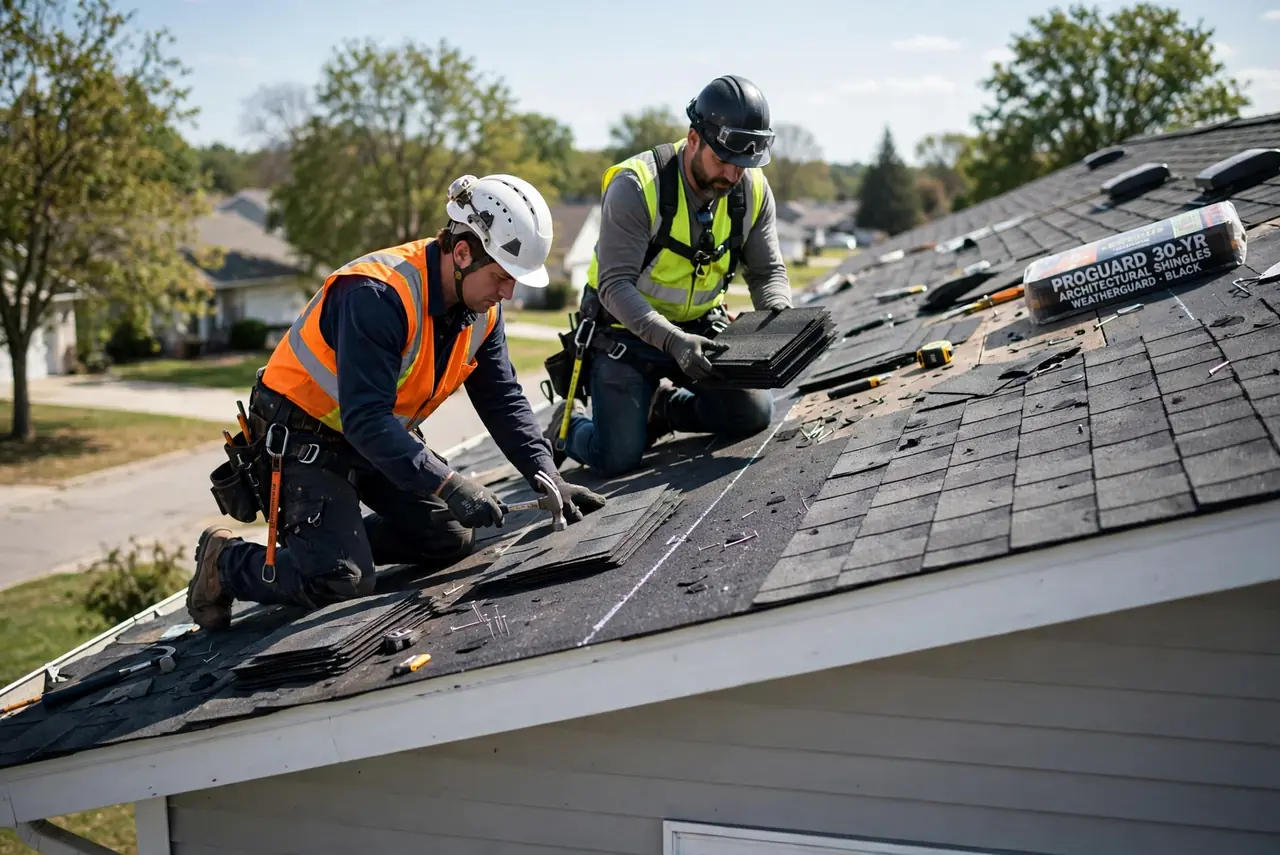
We reinstall or replace the disturbed roof covering, reset flashing details, and check for exposed fasteners or open transitions. The crew clears debris and photographs the finished area. Most localized jobs take half a day to one day; larger sections or decking repairs can extend the schedule, particularly when rain interrupts safe roof work.
Reset covering
Clear debris
Share photos
Tools and repair methods
Move across a circle, or focus it and press Enter, for an illustrative thermal view of the photograph.
Moisture meter
We check suspect decking and interior roof areas for moisture evidence, helping distinguish an active wet section from an old stain before opening the roof.
Shingle ripper
We lift and remove shingles around the repair opening while limiting damage to surrounding courses that remain serviceable.
Roofing hammer
We use a roofing hammer to remove or set fasteners and secure roof covering during reinstatement, following the material system's requirements.
Utility knife
We cut underlayment to fit roof planes and transitions, making controlled cuts around edges, valleys, and penetrations.
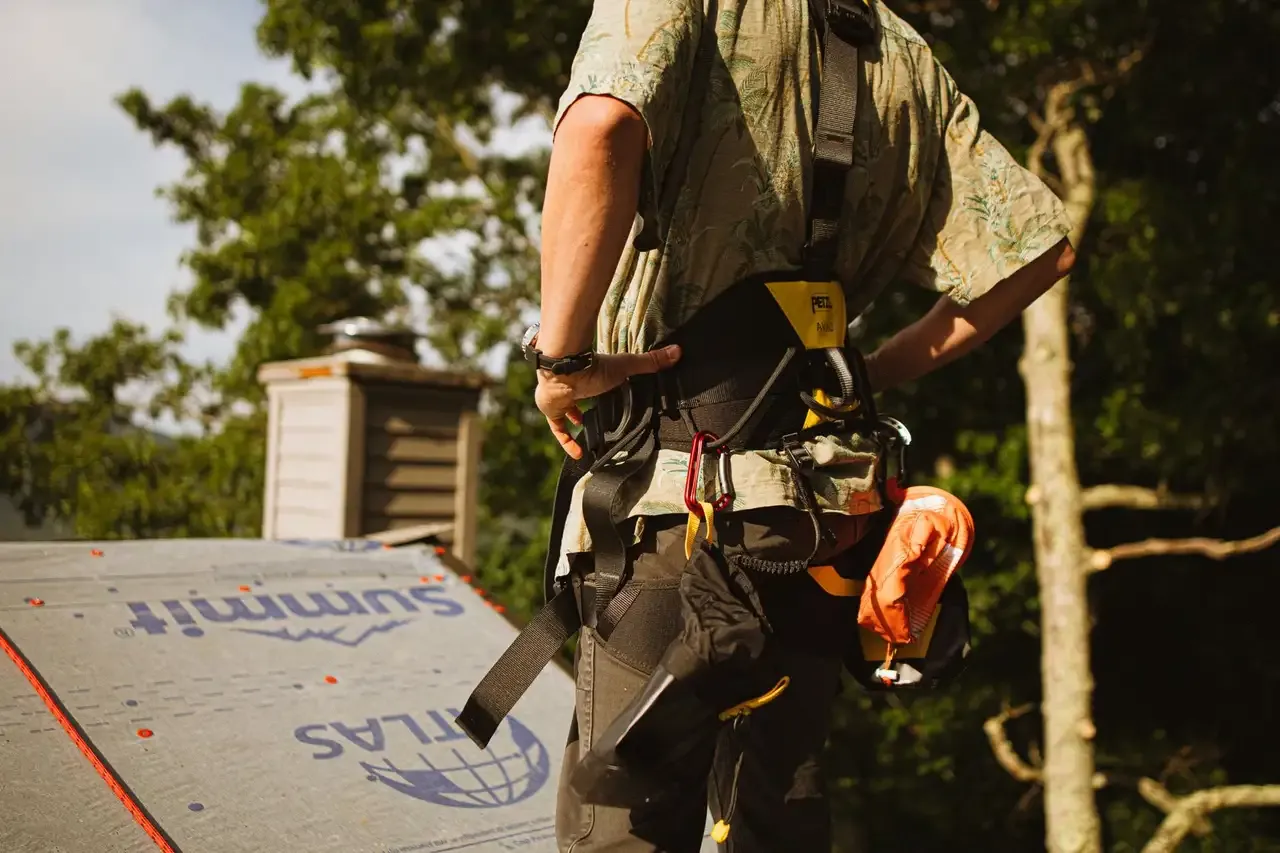
Fall protection harness
Our crew uses fall protection while accessing sloped surfaces, positioning materials, and working near roof edges.
Thermal views are illustrative, generated from the photographs.
Methods
Water-path tracing
We start at the interior symptom and work toward roof evidence, checking attic decking, flashing, valleys, and penetrations. Water can travel sideways before appearing inside, so we compare multiple clues before selecting an opening. This reduces guesswork and ties the repair to the source.
Shingle-course access
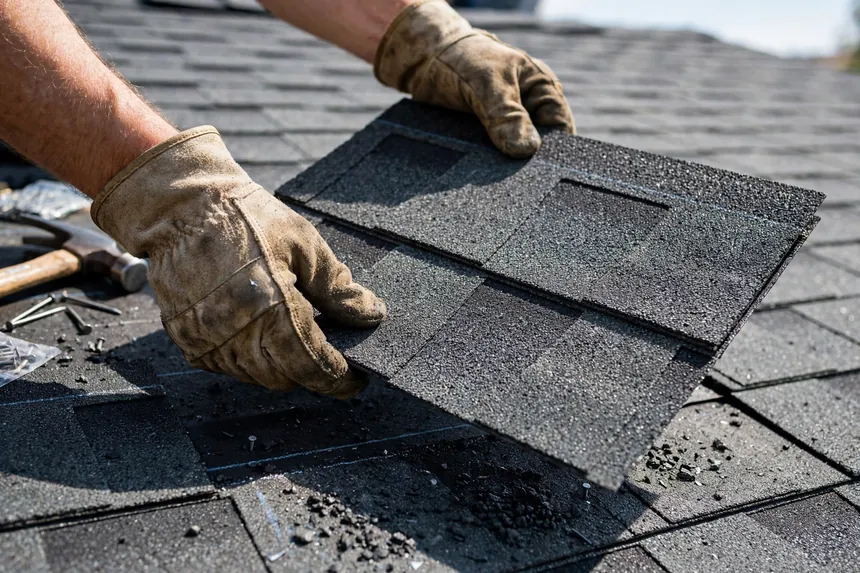
We lift the roof covering in a controlled sequence to expose failed underlayment and sound material around it. The opening gives enough room to inspect the deck and create correct overlaps. We avoid disturbing more roof than the repair requires, while expanding the area if damage continues beyond the first opening.
Layered water shedding
We place underlayment so upper courses overlap lower courses and water drains toward the eaves. Edges, valleys, and penetrations receive careful detailing, with material selected for the roof covering and location. The visible roof surface is then restored without trapping a reverse lap or open seam.
Final assembly check
Before leaving, we inspect the repaired surface for loose covering, exposed fasteners, and open transitions. We confirm that flashing and roof edges meet the replaced layer, clear debris, and take photos. This last pass checks the completed assembly rather than only the new sheet of material.
When to replace roof underlayment
Rain leak
A Tomball homeowner sees a new ceiling stain after a night of wind-driven rain.
We inspect the attic and roof slope to find where water entered, then open the affected area. If underlayment is split or displaced, we check the decking, replace failed material, and restore the shingles and flashing around the repair.
Outcome: The leak source is addressed beneath the visible roof covering, and you have photos of the repaired area and any related deck work.
Roof replacement
A roof replacement in Old Town Tomball exposes brittle underlayment beneath otherwise reusable decking.
During tear-off, we inspect the full exposed deck and remove deteriorated material. We install compatible underlayment with correctly directed laps and detail the eaves, valleys, and penetrations before new shingles go on.
Outcome: The new roof covering sits over a renewed water barrier, with concealed deck concerns handled before they are covered.
Commercial penetration
A property manager finds recurring moisture near a commercial roof penetration.
We trace the entry around the penetration and identify how the roof membrane, flashing, and underlying substrate meet. We repair the failed section using materials compatible with the existing commercial assembly and document the transition.
Outcome: The repair targets the water path and provides a record for maintenance planning and future inspections.
Tile valley repair
Tile removal for a roof repair reveals underlayment worn through at a valley.
We carefully remove enough tile to expose the valley and inspect the deck. Our crew replaces failed underlayment, restores valley drainage, and resets serviceable tiles, replacing cracked pieces where needed.
Outcome: The high-runoff area regains a continuous protective layer without replacing sound tile across the entire roof.
Old Town TomballAmiraLakewood Grove
How roof underlayment work runs in Tomball
Tomball's warm, humid conditions and heavy rain put repeated stress on roof seams, flashing, and underlayment. During November and the winter months, changing rain and wind can expose a small tear; spring storms and summer heat bring different demands on shingles, sealants, and roof edges. We schedule roof openings around safe working conditions and protect exposed areas if weather shifts.
Homes across Tomball include varied roof ages and coverings, so we identify whether the assembly uses asphalt shingles, metal panels, or tile before selecting a repair approach. Our crew checks the roof deck and drainage details, then works to applicable IRC or IBC requirements for the project.
For roof underlayment replacement in The Woodlands Hills TX, we apply the same inspection discipline while accounting for the specific roof layout and access. We serve Tomball in Harris County, including neighborhoods in ZIP codes 77375 and 77377.
Old Town Tomball: Older roof sections and later additions can meet at complicated transitions. We inspect those joints and trace leaks across the connected roof planes.
Amira: After strong wind or rain, we check lifted shingle edges, roof valleys, and penetrations for signs that water has reached the underlayment.
Lakewood Grove: We inspect roof slopes and attic evidence together, since the interior stain may be offset from the underlayment opening above.
Downtown Tomball: A range of roof ages and coverings calls for material-specific access and repair. We identify the assembly before lifting shingles or other covering.
Heavy rain tests valleys, eaves, and flashing joints: Runoff concentrates in valleys and around penetrations, so a small failure can admit water quickly. We check these transitions during diagnosis and restore laps that direct water back onto the roof surface.
High humidity slows drying inside roof assemblies: Moisture trapped beneath roof covering can linger and damage decking or insulation. We inspect suspect wood before covering it and allow wet or damaged sections to be addressed rather than sealed out of sight.
We walk through the leak location and explain the inspection plan.
We protect nearby surfaces and prepare safe roof access.
We review the repair, photos, and practical next steps.
From problem to finished result.
IllustrativeThe thermal view is generated from the photograph. It is not a measurement. Drag the handle, or use the arrow keys once it is focused.
Valley leak stopped at source
Before: A homeowner noticed a ceiling stain after two heavy rains. Several shingles appeared intact, but water tracked along the roof deck from a valley with torn underlayment. The concealed wet area measured about 3 feet across, and the decking near the seam felt soft.
After: We removed the affected courses, replaced a 4-by-3-foot underlayment section, and corrected the valley transition. A damaged decking panel was replaced before the shingles were reset. The homeowner received photographs of the exposed area and completed repair, with the interior stain no longer growing after subsequent rain.
Check the ceiling and attic after significant storms, and arrange a roof inspection if staining returns. Keep valley drainage clear and note lifted shingles before they expose the repaired layer.
Wind opening repaired before rain
Before: Wind lifted shingles along an eave in Northpointe, leaving a visible opening about 2 feet long. The homeowner found damp insulation but no ceiling stain yet. The underlayment edge had pulled loose, and water could reach the decking during the next shower.
After: We secured the exposed area, removed the damaged material, and installed replacement underlayment across the affected eave section. The crew reset the sound shingles and replaced two cracked pieces. The finished repair covered a roughly 2-by-4-foot area, and photos recorded the deck and the completed edge detail.
After high winds, look for missing or shifted shingles from the ground and check the attic for damp insulation. Avoid walking on the roof; report visible openings promptly.
Repeated penetration leak corrected
Before: A property manager in Tomball Town Center had called for repeated sealing around a roof penetration. Water returned during heavy rain because the flashing detail and underlayment beneath it were both compromised. A small area of decking showed dark moisture marks but remained firm.
After: We opened the roof around the penetration, replaced approximately 18 square feet of failed underlayment, and rebuilt the flashing transition. The deck was retained after inspection, and the roof covering was reset. The manager received a photo record showing the repaired layers and the final surface.
Include penetrations in routine roof checks, especially after storm season. Watch for sealant separation, interior stains, or debris collecting around the opening, and address changes before water reaches the deck.
Problems affordable underlayment replacement can solve
A roof leak is not always a shingle problem; water can pass through failed underlayment and travel along the deck before appearing indoors. Our Tomball inspections separate the visible symptom from the entry point, then target the damaged layer and any related decking or flashing.
Rain stainWater stains appear after wind-driven Tomball rainWater can keep moving through the roof assembly after the storm ends, leaving insulation damp and staining ceilings or walls. Delayed repairs can hide worsening deck damage. We trace the stain toward the roof entry, inspect the attic and surrounding roof covering, then expose the likely failure. If the underlayment is torn, we replace it and check the deck before closing the area. We also examine nearby flashing and shingles so a second entry point is not left behind.
Hidden moistureShingles look intact but the attic smells dampA hidden breach can admit moisture without immediately dislodging shingles. Continued dampness can contribute to roof decking rot and interior damage before a clear ceiling stain develops. We inspect the underside of the roof deck and use a moisture meter to assess suspect spots. Then we compare those findings with roof-side transitions, valleys, and penetrations. Where failed underlayment is confirmed, we open the necessary area, repair damaged wood if present, and install a compatible water barrier.
Flashing leakRepeated leak repairs fail near roof flashingA surface seal may cover the symptom while water continues entering behind flashing or beneath the underlayment. Repeated wetting can enlarge the repair area and damage adjacent decking. We remove enough covering to see how flashing and underlayment overlap, then rebuild the water-shedding transition. Our crew replaces torn material, corrects the roof-side detail, and restores the covering. You receive photos showing the opened joint and completed repair rather than another unexplained patch.
Wind openingWind damage exposes a torn protective layerOnce wind lifts roof covering, rain can reach the deck directly. Even a short exposure can soak wood and insulation, especially when showers follow before the roof is secured. We inspect the opening and surrounding courses, protect the area while work is arranged, and replace damaged underlayment when roof conditions are safe. The repair includes checking the deck and securing the roof covering. If you need same-day roof underlayment replacement Tomball, call with the damage details so we can assess the situation.
Protection you can measure
A continuous water barrier helps protect your roof deck beneath the visible covering.
Renewed water barrier
Replacing torn or deteriorated material helps block water that slips past asphalt shingles during wind-driven rain. We lap seams in the direction of drainage and inspect roof flashing at penetrations. The goal is a continuous protective layer, not a patch that leaves the next seam exposed.
Decking checked early
When we open the roof, we check exposed roof decking for softness, swelling, and rot before covering it again. Finding damaged sections during the same visit helps prevent a hidden weak spot from being sealed beneath new material. You see the affected area and the repair needed.
Roof covering preserved
A targeted repair can preserve serviceable shingles or other roof covering instead of replacing a whole roof unnecessarily. We lift and reset material carefully, using a shingle ripper and roofing hammer where appropriate. Your repair plan reflects the actual damage and the condition of surrounding courses.
Clear repair record
We document the opened area, underlayment installation, and completed transitions with job photos. That record shows what was uncovered and what was repaired, including any decking work. Tomball customers can use the photos to understand the roof condition without relying on a vague verbal summary.
What you receive
Clear records you can keep and share.
Photo report
Images of opened and repaired roof areas
Work summary
Description of completed repair steps
Material record
Notes on the installed underlayment
Inspection notes
Observed roof and decking conditions
Repair or full replacement
The right choice depends on how far failure extends and whether the roof covering and deck remain serviceable.
Localized repair
A limited section is opened where damage is contained.
Targeted material removal
Sound surrounding covering
Small deck repair
Slope replacement
A larger roof plane needs continuous underlayment renewal.
Widespread material failure
Repeated leak locations
Roof covering reset
Full roof work
Tear-off allows inspection and renewal across the roof.
Aged roof assembly
Extensive decking concerns
New covering planned
Roof components
Roof decking
Underlayment
Asphalt shingles
Metal panels
Tile
Roof flashing
Roof valleys
Drip edge
Service ZIP codes.
A list like this tells people straight away whether you cover their street. Not listed? Call and ask: it only takes a minute.
We had a ceiling stain after a hard rain and assumed a few shingles were the whole problem. The crew traced water to a torn underlayment section near the valley and showed us photos of the damp decking. They replaced the affected material, reset the shingles, and explained what they checked before leaving. The next rain passed without another stain.
After wind lifted shingles, we wanted the roof checked before more rain came through. The team opened the damaged area, found the underlayment split near the eave, and checked the wood underneath. They replaced the layer and a small decking section, then cleaned up the loose roofing debris. The photos made it easy to see what had been repaired.
A leak near a roof penetration had returned after an earlier surface patch. Tomball Roofing Experts inspected the flashing and underlayment instead of applying another bead of sealant. They repaired the opening, documented the finished transition, and told us which roof areas to monitor during routine checks. The leak stopped, and we had a clear record for the property file.
Frequently asked questions
Typical 2026 pricing in Tomball depends on roof access, pitch, covering type, underlayment choice, and whether roof decking needs replacement. We inspect the affected area and explain the work and upfront price before starting. A full roof tear-off with underlayment replacement is priced as part of the larger roofing project.
Most localized underlayment repairs take half a day to one day, while larger roof sections can take two or more days. Roof pitch, tile or metal removal, decking repairs, and weather affect the schedule. We first expose the damaged layer, inspect the deck, then install and cover the replacement. Rain or unsafe wind means the open area must be protected and work paused until roof conditions allow safe installation.
Choose a Tomball contractor that traces the leak, inspects exposed decking, matches the material to your roof, and documents the repair. Ask how the crew handles laps, valleys, flashing, and weather protection while the roof is open. Tomball Roofing Experts explains the findings and repair steps directly, then photographs the completed work.
Roof underlayment replacement includes opening the affected roof covering, removing failed material, checking the decking, fitting new underlayment, and reinstalling or replacing the disturbed covering. We also check nearby flashing, valleys, and edges for related entry points. Rotten decking, extensive shingle replacement, or a larger roof section can add work. Before the repair, we identify the affected area and explain any related conditions we uncover.
A wet ceiling or lifted shingle deserves a roof inspection before the next downpour. Call Tomball Roofing Experts at (877) 791-3217 to discuss the leak, arrange an assessment, and get a clear explanation of the repair. We document the roof condition and provide upfront pricing.
Call (877) 791-3217 to discuss roof replacement, roof repair, a leak, or storm damage at your Tomball property. Our phone team can hear the details and connect your request with an independent roofing company. Contact us during regular business hours, Monday through Friday, 8 a.m. to 6 p.m.; for active water entry, describe where it is happening when you call.