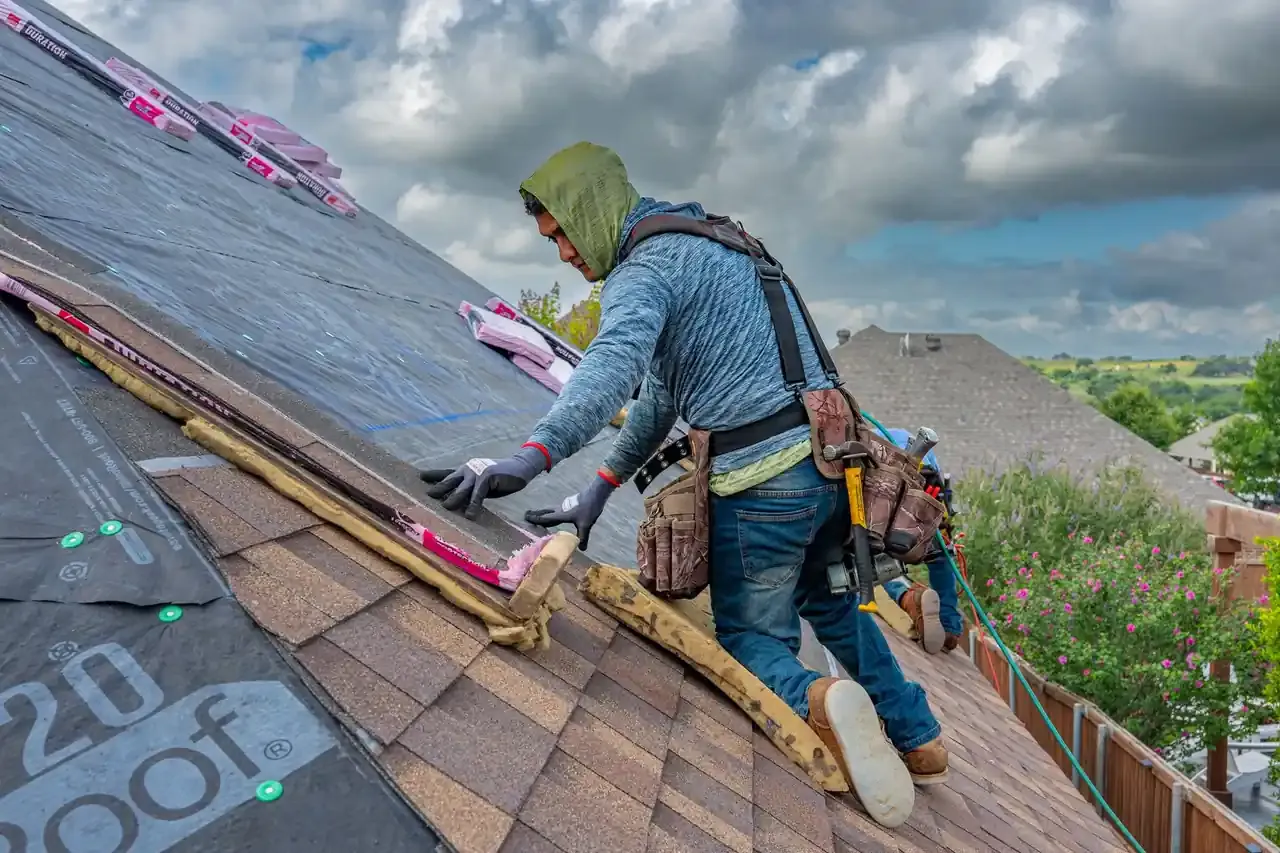
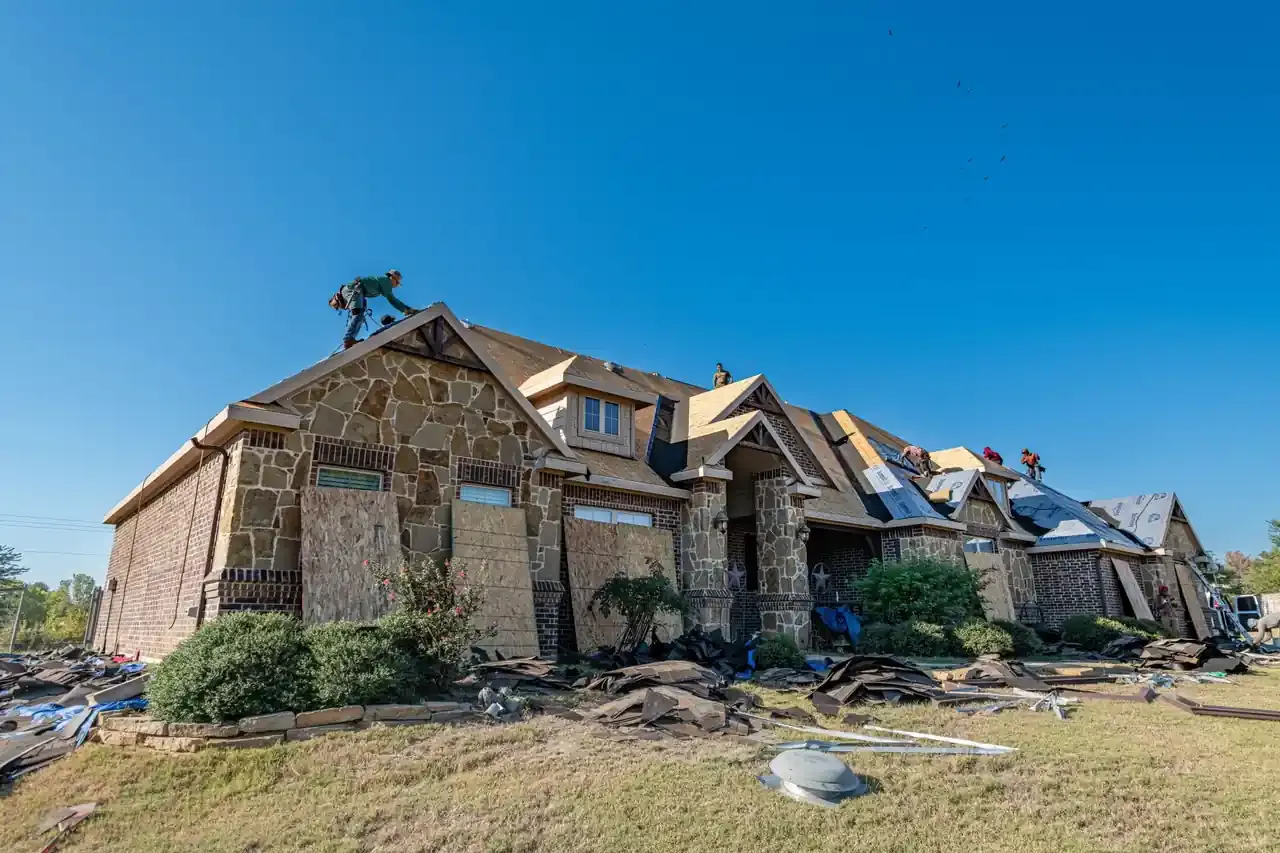
roof snow and ice damage repair Tomball TX addresses leaks, lifted shingles, blocked drainage, and roof damage after freezing weather. Tomball Roofing Experts helps homeowners and property managers protect roofs when melting snow or ice sends water beneath the roofing surface. Our team checks the roof, attic, flashing, and drainage, then repairs the source and explains the next steps. For roof snow and ice damage repair in Tomball, Texas, call (877) 791-3217.
Clear walkthroughWe explain findings before repair.
What Roof Ice Damage Repair Includes
Roof snow and ice damage repair covers the inspection and repair of roof components affected by ice buildup, melting water, or freezing temperatures. We trace the leak, protect the work area, remove ice carefully when needed, and repair damaged roofing, flashing, underlayment, or decking identified during the assessment. Interior ceiling or insulation work is handled as a separate repair when required. You will know which roof items are being addressed and what follow-up is appropriate.
Roof and Attic Check
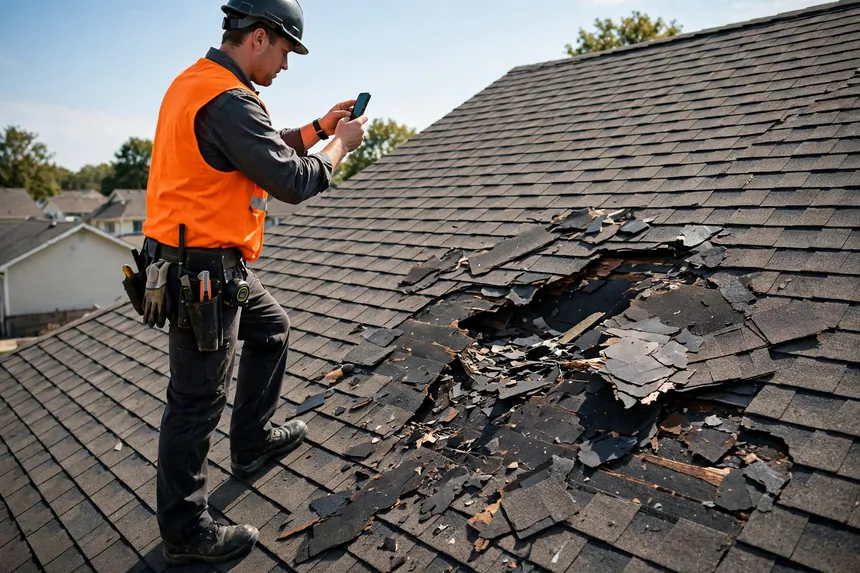
We inspect the visible roof, valleys, eaves, flashing, and accessible attic surfaces for water paths and material damage. This helps distinguish active leaks from old staining and identifies whether the visible roof opening matches the interior symptom.
Careful Ice Removal
Where remaining ice blocks the repair area, we remove it with care to avoid striking shingles or forcing water under the roof covering. We do not use aggressive chipping that can create additional cracks or loosen roofing.
Roof Material Repair
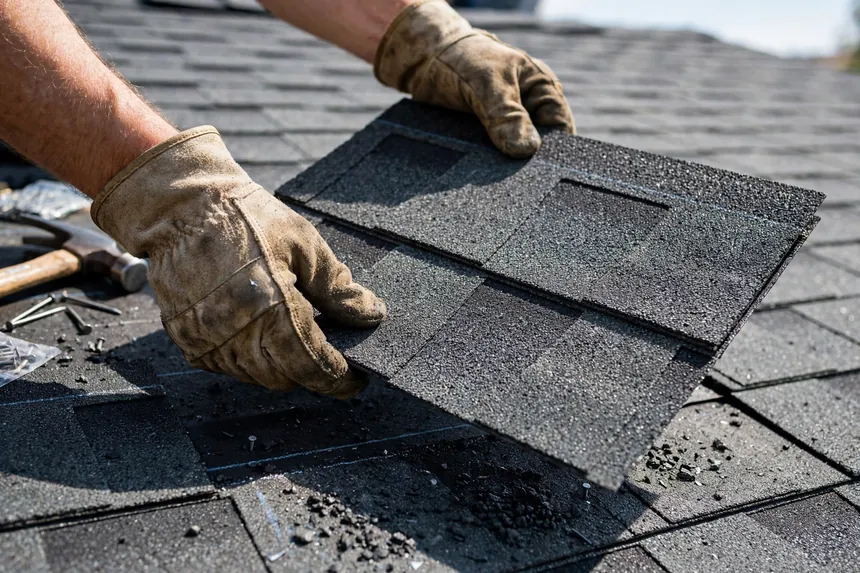
We repair or replace damaged shingles, flashing, underlayment, or other roof components as the inspection indicates. The work is matched to the existing roof system, with attention to fastening and the path water takes across the surface.
Moisture and Damage Notes
We record visible roof conditions and explain any signs of water exposure found in accessible areas. Photographs and a verbal review help you understand what was repaired and whether interior drying or additional work is needed.
Drainage Review
We check nearby gutters, roof valleys, and drainage routes for blockages or damage that contributed to water backup. If a gutter or downspout repair is needed, we explain how it relates to the roof leak and the next step.
Homes and businesses.
The approach is the same for a home and a business. What changes is the access, the schedule and who needs the paperwork.
For Homes
We check how water may affect your shingles, attic, ceilings, and belongings. You can point out stains, active drips, or roof areas that changed after freezing weather.
Ceiling stains near outside walls
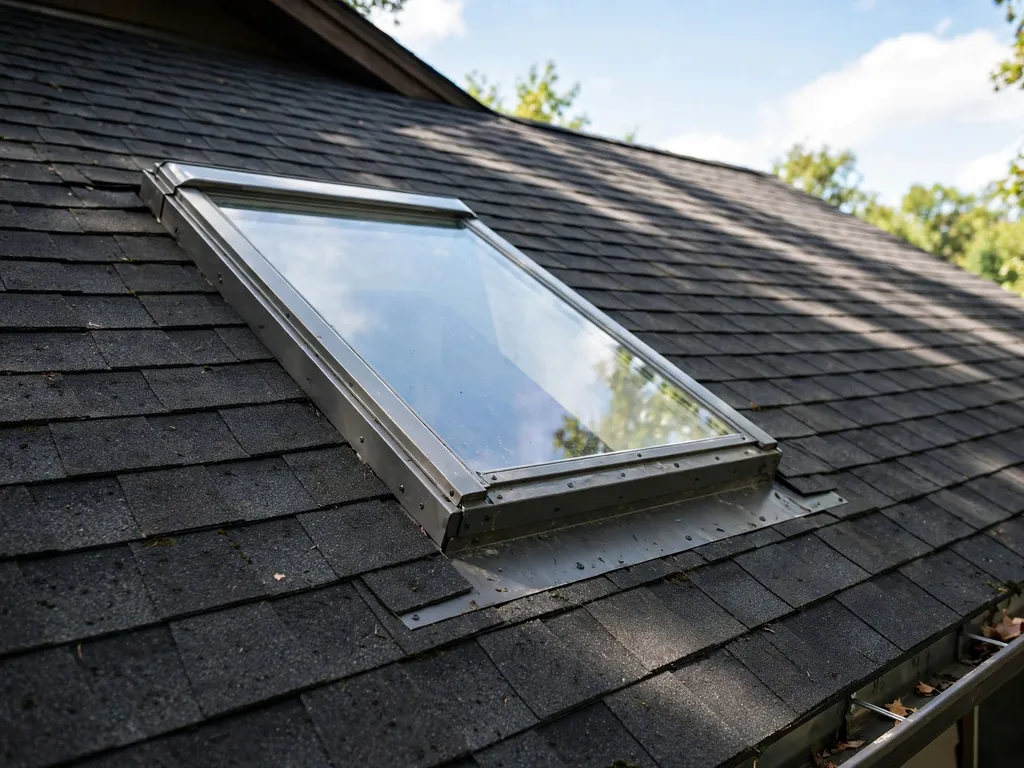
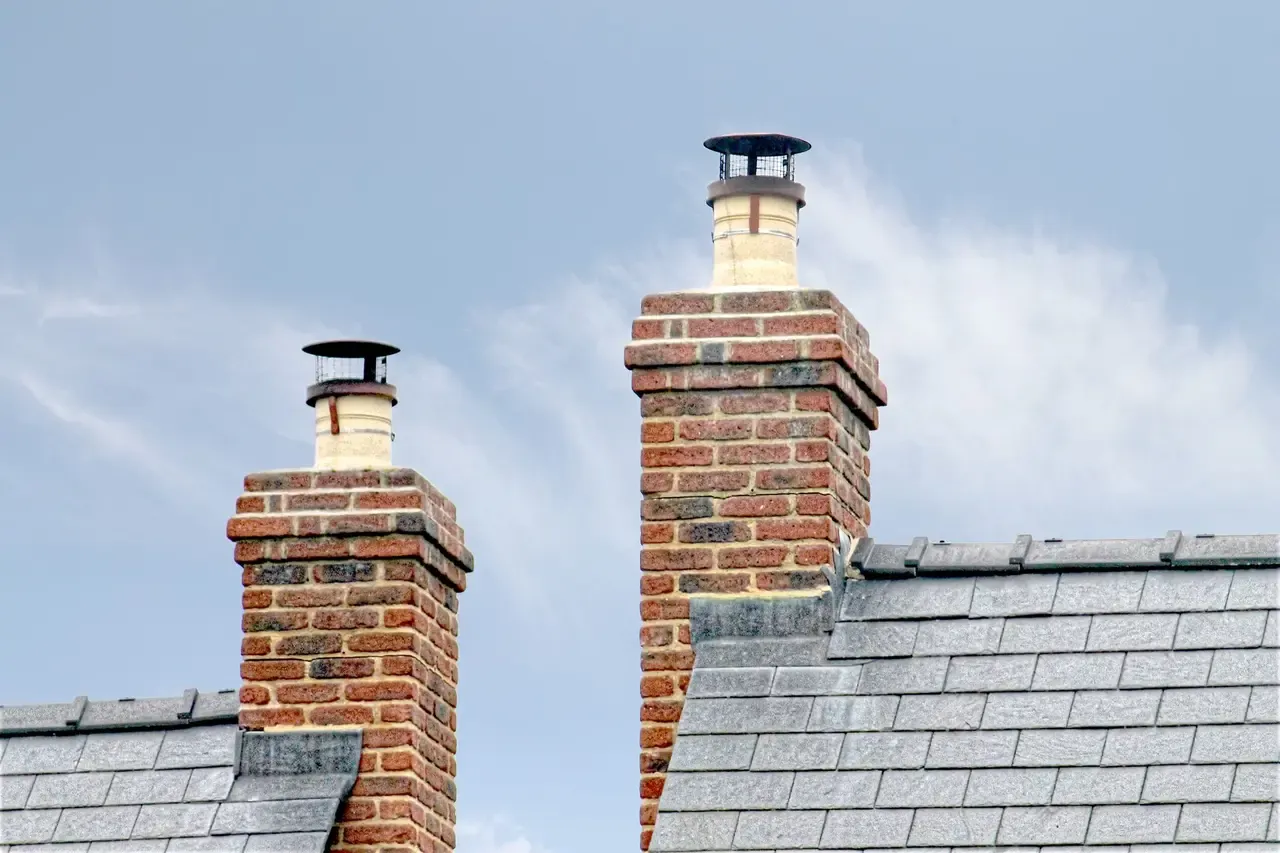
Water around skylights or chimneys
Attic moisture after a thaw
For Businesses
We inspect roof drains, membrane seams, and penetrations with the affected building area in mind. You can identify interior drips and access needs before our crew begins.
Leaks near roof drains
Membrane seams lifting after a freeze
Water in occupied business areas
Roof Snow and Ice Damage Repair Tomball TX
A plain-language look at what Roof Snow & Ice Damage Repair involves and when it is needed.
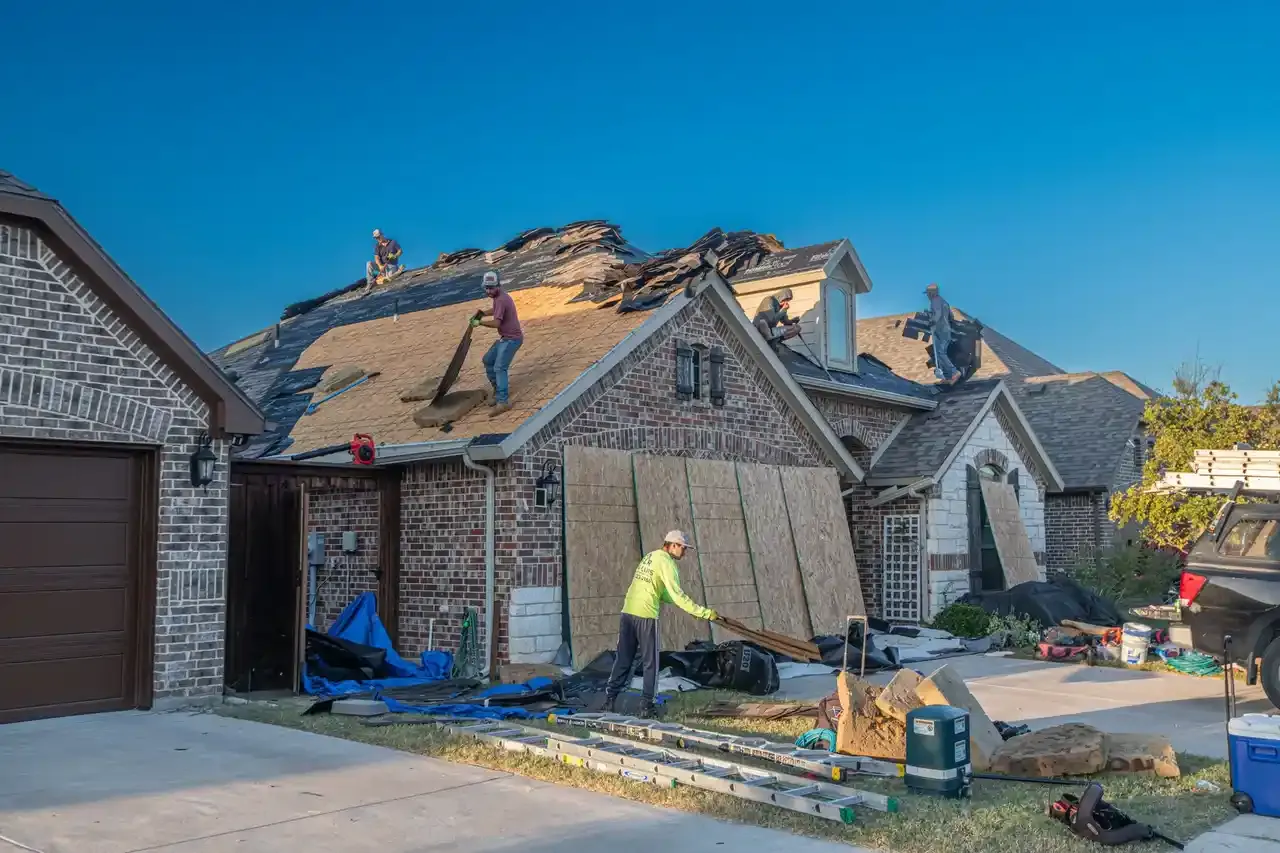
roof snow and ice damage repair Tomball TX is a roofing repair service that finds and fixes damage caused when snow or ice blocks drainage and water enters the roof system. We inspect shingles or membrane, roof valleys, flashing, gutters, underlayment, and accessible attic areas. If water has reached roof decking or insulation, we identify the affected area before repairing the exterior. The work can include controlled ice removal, temporary leak protection, shingle or flashing repair, and replacement of damaged materials. We test the repaired area and document visible conditions.
Tomball homes are not built for prolonged snow cover, but an occasional freeze followed by a quick thaw can still expose weak flashing, clogged gutters, and cracked shingles. On a sloped roof, water can refreeze at the eaves while meltwater continues to run beneath the ice. Our Tomball roof snow and ice damage repair starts with tracing the actual water path, not simply clearing the visible ice. If you are comparing roof snow and ice damage repair cost in Tomball TX, the main factors are access, affected roof area, and whether decking or interior materials need repair.
Find the water path, repair the failed roof detail, and check the surrounding materials.
What it is
Roof repair for leaks or material damage caused by freezing, ice buildup, or melting water.
When you need it
Call when a new roof leak, ceiling stain, or damaged roof detail appears after freezing weather.
What to expect
We inspect accessible roof areas, explain the water path, complete the repair, and review visible results.
What Happens During the Repair
Roof snow and ice damage repair in Tomball follows a straightforward sequence: assess the leak, protect the work area, repair the roof assembly, and verify the result. We explain each stage in plain terms, including when weather or hidden material damage changes the work.
Initial Call
Roof snow and ice damage repair Tomball TX begins with a focused conversation about where water appeared, when it started, and whether the leak is active. We ask about ceiling stains, attic access, recent freezing weather, and visible roof changes. If water is entering now, tell us whether it is near wiring or a light fixture so we can discuss immediate safety steps.
Leak details
Weather history
Interior signs
Roof Assessment
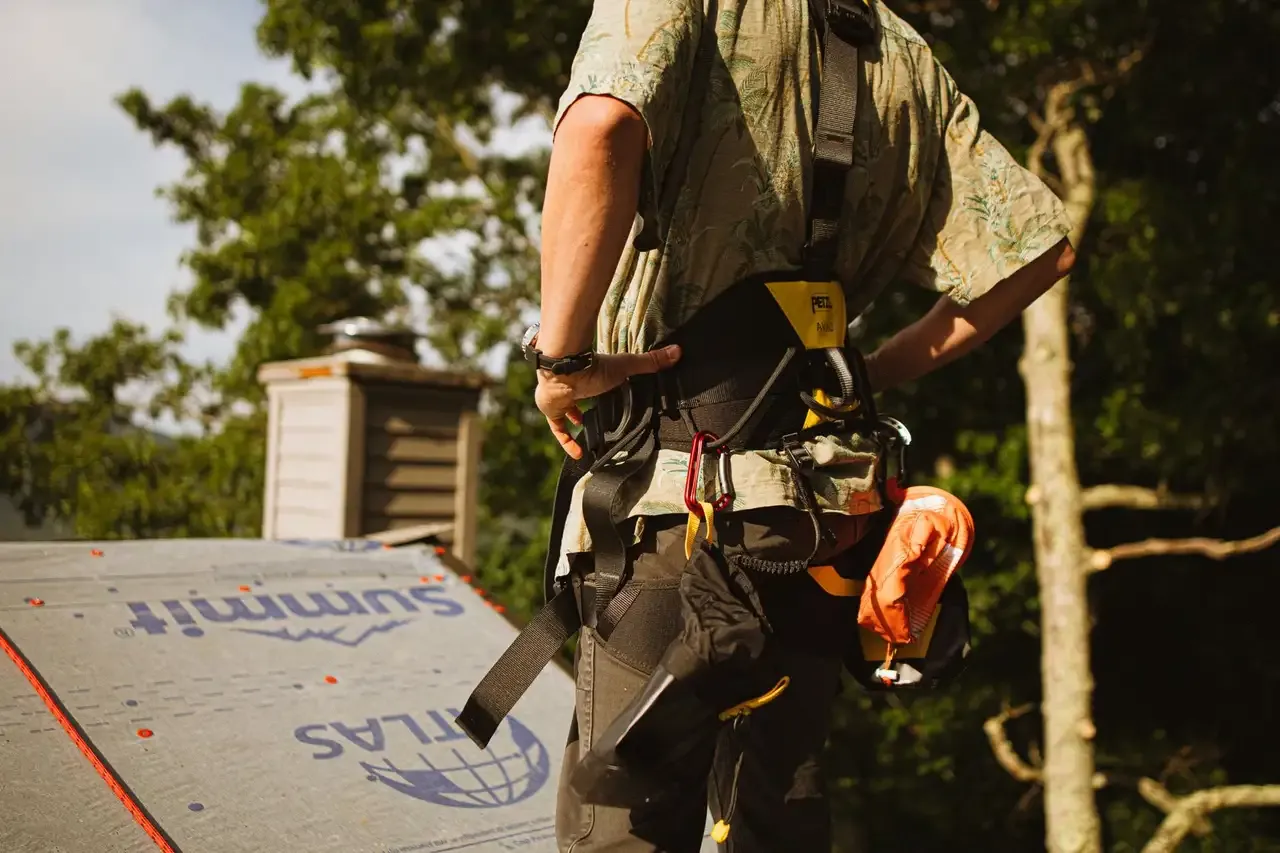
Our team checks accessible roof surfaces, valleys, gutters, flashing, and attic conditions to find the likely path of water. A roofing ladder and fall protection harness support safe access; we do not walk an icy surface just to save time. A typical inspection takes about 30 to 90 minutes, depending on roof size, access, and weather.
Roof access
Attic check
Water tracing
Protect and Prepare
Before repair, we protect the ground and nearby property, then isolate the affected roof area. If ice remains, we remove it carefully without striking shingles or forcing water beneath the roof covering. We use a shingle ripper or pry bar only where needed to expose damaged material, keeping intact roofing undisturbed.
Protect area
Safe setup
Ice assessment
Complete the Repair
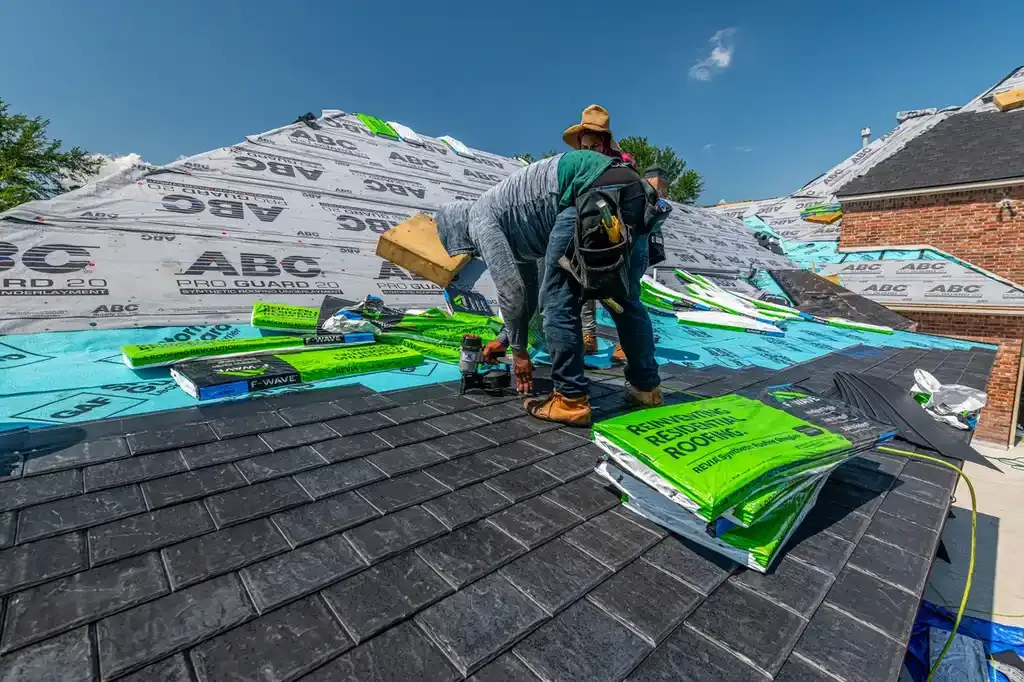
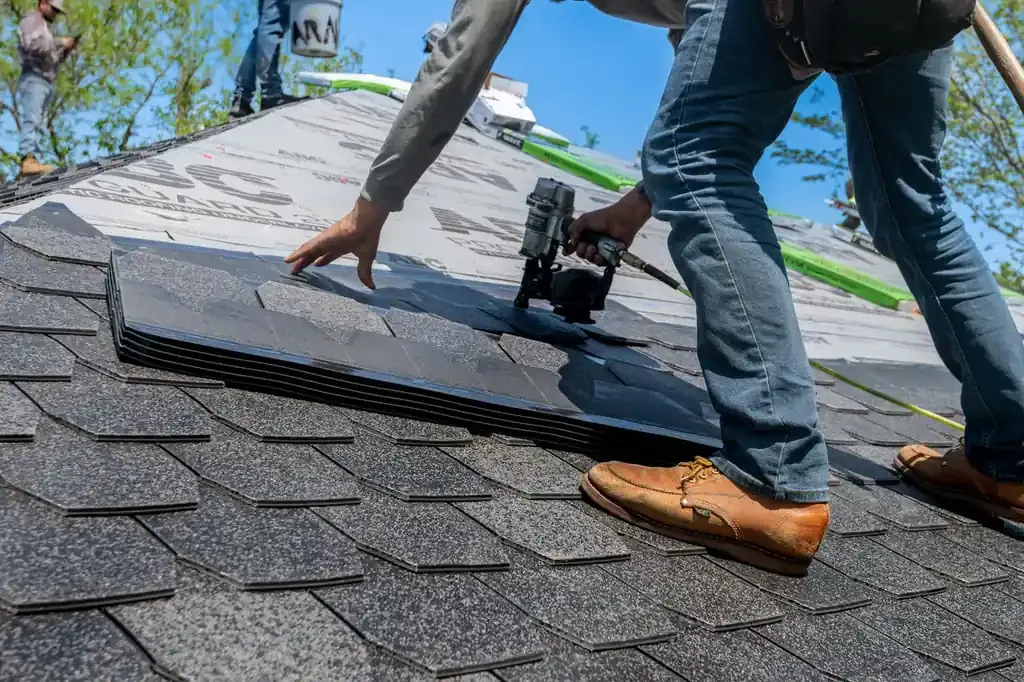
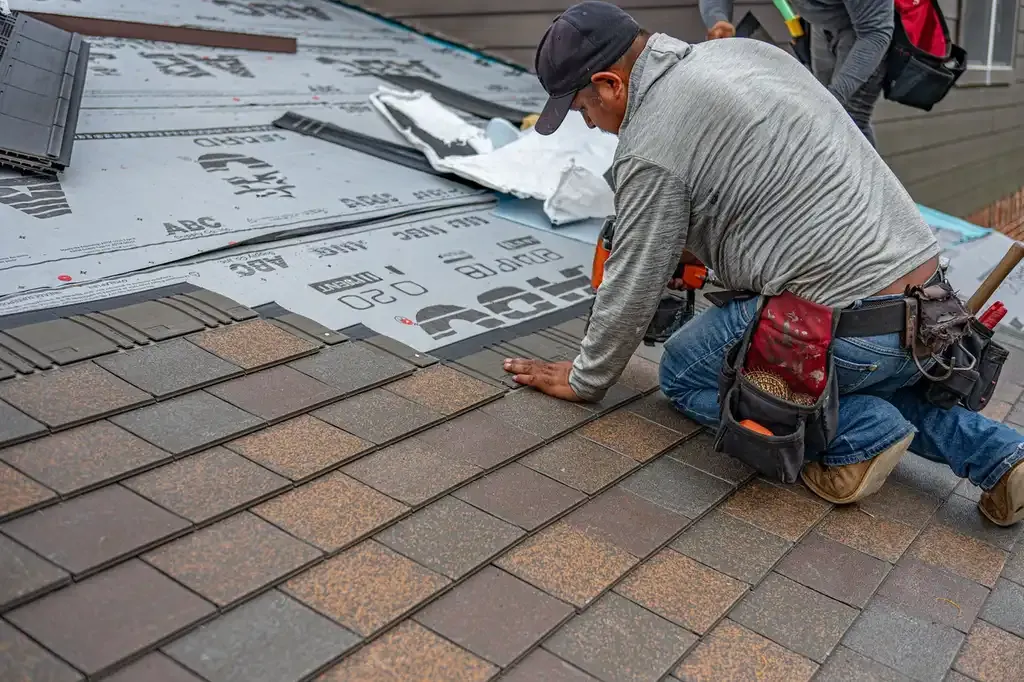
We replace or reset damaged roofing, repair flashing, and address underlayment or decking where inspection shows failure. A roofing hammer, utility knife, chalk line, and roofing nail gun help us make controlled repairs on shingle systems. The work can take a few hours for a small repair or longer when concealed moisture damage is found.
Repair layers
Restore flashing
Secure materials
Check and Explain
After the repair, we check the repaired area, confirm that drainage paths are clear, and review photographs or observations with you. We explain any remaining interior drying or follow-up work, along with maintenance that helps reduce repeat problems. You receive a clear account of what was repaired and which roof components remain in good condition.
Check repair
Review photos
Explain follow-up
Tools and Repair Methods
Move across a circle, or focus it and press Enter, for an illustrative thermal view of the photograph.
Moisture meter
We use it to check suspicious accessible materials for moisture patterns and compare damp areas with nearby surfaces.
Shingle ripper
This tool lifts or removes damaged shingles with control, helping us expose the affected layer without disturbing more roofing than necessary.
Roofing nail gun
We use it for appropriate shingle fastening, following the roof material and installation requirements for the repair area.
Fall protection harness
A harness supports safe access on suitable roof surfaces; icy or otherwise unsafe conditions require a different inspection plan.
Roofing hammer
We use a roofing hammer for controlled fastening and adjustments during shingle and flashing repairs.
Thermal views are illustrative, generated from the photographs.
Methods
Water-path tracing
We compare the location of interior staining with roof valleys, penetrations, eaves, and flashing above it. Accessible attic observations help follow moisture along decking or framing. This method reduces guesswork because the visible drip may be several feet from the point where water entered.
Layer-by-layer repair
We expose only the damaged roof area needed to inspect shingles, underlayment, and decking. Failed materials are repaired before the outer covering is restored. This sequence matters because a surface patch over wet or unsound layers can leave the leak path intact.
Controlled ice removal
We remove ice only as needed to access the repair and avoid aggressive chopping that can crack shingles or damage flashing. The crew evaluates roof conditions before accessing the surface. When conditions are unsafe, we wait to perform exterior work rather than risk injury or additional roof damage.
Code-aware installation
We follow applicable manufacturer guidance and review relevant IRC or IBC provisions where the repair requires it. Material selection and fastening depend on the roof type and repair area. We restore the system so water can move toward the intended drainage route rather than behind the roof covering.
When to Call for Roof Ice Repair
Eave thaw leak
A Tomball freeze is followed by thawing, and a ceiling stain grows near an outside wall.
We inspect the eave, gutter line, shingles, and accessible attic area to trace water from the roof edge. If ice remains, we remove it carefully before repairing the damaged roof section. We also check whether overflow or a blocked downspout contributed to the leak.
Outcome: You get the roof opening repaired and a clear account of any moisture that reached interior materials, so the next rain is less likely to spread the stain.
Flashing opening
Water drips beside a skylight or chimney after snow melts from the roof.
Our crew checks the flashing transition and nearby shingles rather than assuming the fixture itself has failed. We inspect the water path, replace damaged flashing or roofing as needed, and review accessible signs of attic moisture. The repair is matched to the existing roof materials.
Outcome: The failed transition is corrected, and you know whether nearby roofing remains serviceable or needs separate attention.
Drain backup
A small commercial roof in Tomball ponds water after a short freeze.
We inspect membrane seams, drains, and penetrations for cracks or separation caused by cold-weather movement. The team removes debris from the affected drainage path and repairs the membrane where damage is confirmed. We document the location so property managers can track the roof condition.
Outcome: The repair restores the damaged section and gives you a record of the roof area that should be checked during routine maintenance.
Attic water mark
You hear roof popping noises during a freeze and later notice a new attic water mark.
We examine the roof covering, decking, flashing, and accessible attic surfaces for movement or water entry. A moisture meter helps assess suspicious areas, and photographs show the condition found. We repair confirmed roof damage and explain if interior drying or further inspection is needed.
Outcome: You learn whether the noise and stain share a roof-related cause and receive a repair directed at the verified damage.
Downtown TomballAmiraWillow Creek
How Roof Ice Repair Works in Tomball
Tomball, Texas has long warm periods and occasional winter freezes rather than a season of dependable snow cover. That pattern still creates roof trouble: a brief freeze can harden water at an eave, then a fast thaw sends runoff toward an already blocked gutter or weak flashing seam.
Our roof snow damage services Tomball work begins with checking the roof type, slope, drainage, and the exact location of interior water. Many local homes use asphalt shingles, while commercial buildings can have low-slope membrane systems; each needs a different repair method. We also consider tree debris, roof valleys, skylights, and chimney transitions where water can collect or change direction.
In Harris County, we take applicable building requirements and the roof manufacturer's installation details into account. A same-day assessment is useful when water is actively entering, but exterior work depends on safe access and suitable conditions. We explain what is urgent, what can be repaired immediately, and what needs a separate follow-up.
Downtown Tomball: Older roof details and additions can create several flashing transitions; we inspect junctions and roof edges when water appears after a freeze.
Amira: We check shingle condition, valleys, and gutter flow to trace leaks that show up near exterior walls after thawing.
Willow Creek: Tree debris can collect at valleys and gutters, so we look for blocked drainage alongside visible ice-related roof damage.
Lakewood Grove: For homes with skylights or roof penetrations, we inspect the flashing transitions closely when a ceiling stain appears after melting.
Short freeze-thaw cycles after mild Tomball weather: Water can freeze at roof edges overnight and run beneath shingles during the next thaw. We look for lifted edges, blocked drainage, and fresh interior staining rather than assuming there was substantial snow cover.
Leaf debris collecting in valleys and gutters: Debris slows runoff and keeps water near roof edges, where freezing can worsen overflow. We check drainage before deciding whether a leak needs roofing work, gutter repair, or both.
We review the leak location and explain the areas we plan to inspect.
We protect nearby surfaces and set up safe roof access where conditions allow.
We check the repaired area and review findings and next steps with you.
From problem to finished result.
IllustrativeThe thermal view is generated from the photograph. It is not a measurement. Drag the handle, or use the arrow keys once it is focused.
Eave Leak After a Freeze
Before: After a brief cold snap, water appeared along a bedroom wall and stained the ceiling near the outside edge. The gutter held leaves, and several shingles at the eave had lifted. The homeowner could not tell whether the water came from the gutter, the roof edge, or the attic.
After: We cleared the repair area, replaced the damaged shingles and underlayment, and restored the roof-edge detail. The crew checked the nearby gutter and documented the affected section. The active roof opening was closed that day, and the homeowner had photographs showing the repaired area and remaining sound materials.
Keep roof-edge gutters clear through fall and check for loose shingle edges after severe weather. If a new stain appears, note its location and timing before it spreads.
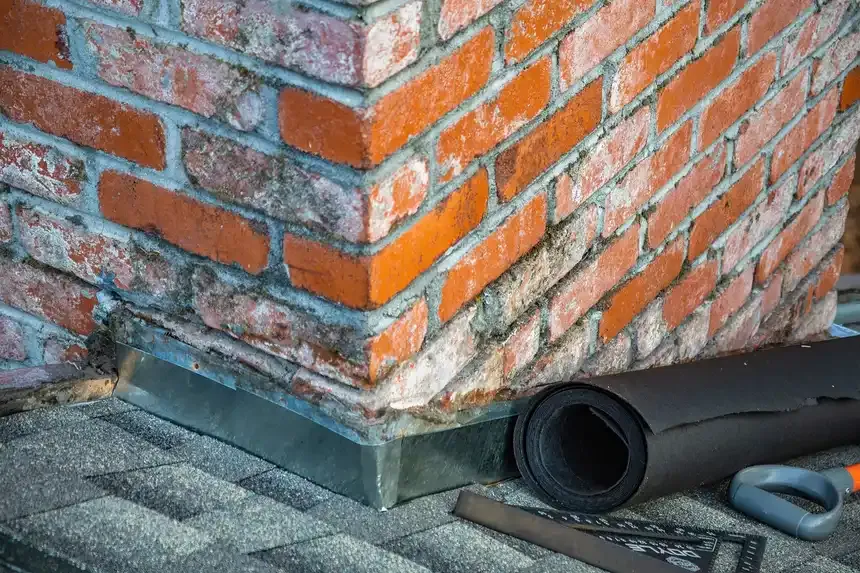
Flashing Leak Near a Chimney
Before: A ceiling mark appeared below a chimney after melting ice, although the roof covering looked intact from the ground. Water had entered at a separated flashing transition and traveled along the decking before reaching the room. Repeated patching around the ceiling would not have stopped the roof leak.
After: We opened the affected transition, replaced the failed flashing detail, and repaired nearby shingles where water had passed beneath them. The repaired area measured about 4 feet across, and the crew checked accessible attic materials for moisture. The water entry path was corrected rather than covered with interior sealant.
Check chimney flashing and adjacent shingles during routine roof inspections, especially after freeze-thaw weather. Keep photographs of any new stain so its size and position can be compared.
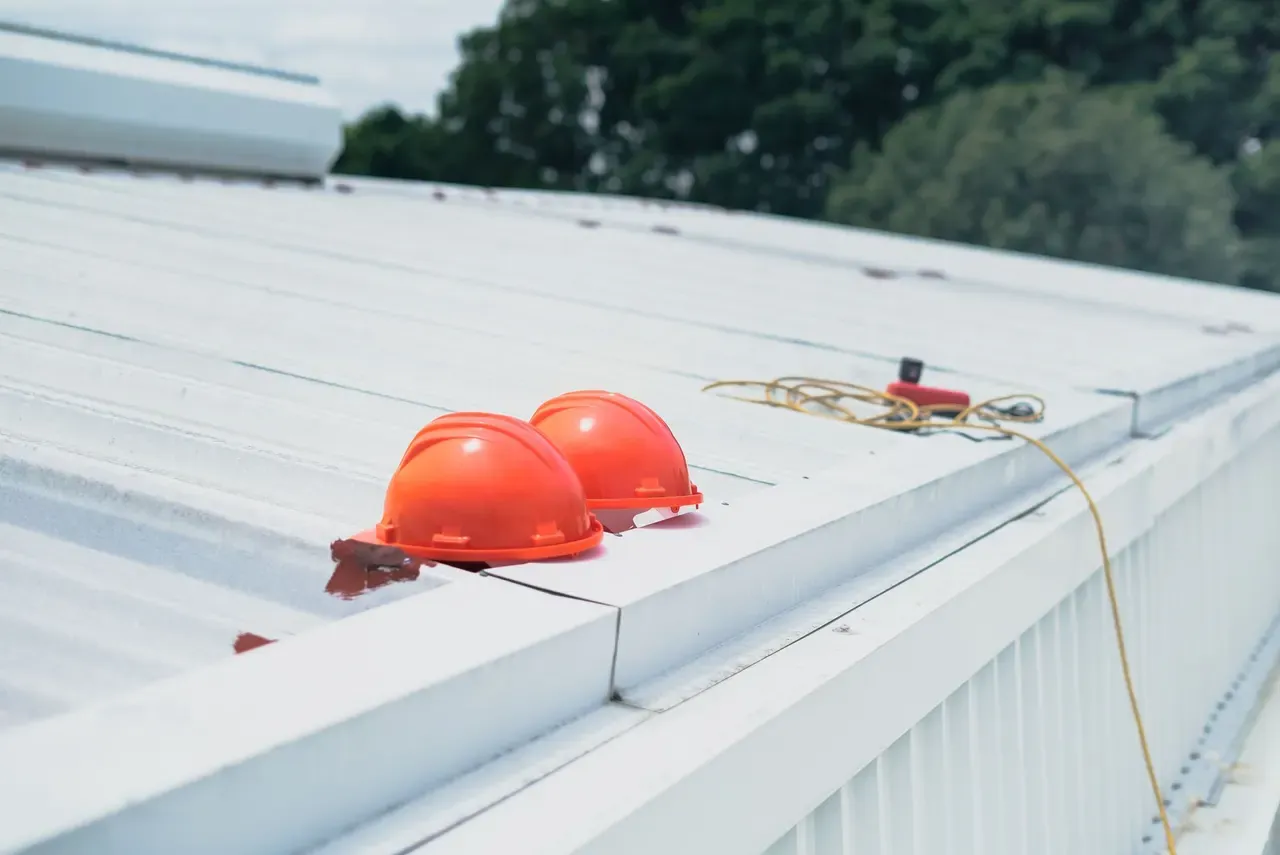
Low-Slope Drainage Failure
Before: A small commercial unit developed a drip after a freeze, with water collecting near a roof drain. Debris slowed runoff, and a membrane seam beside the drain had separated. The property manager needed to know whether the leak was limited to one section or involved the wider roof.
After: We cleared the immediate drainage path, repaired the damaged membrane seam, and inspected the surrounding roof area. The repair covered one localized section, and we recorded the drain and seam conditions for the maintenance file. The leak source was addressed without treating the entire roof as failed.
Keep roof drains clear and arrange periodic checks of seams and penetrations. After freezing weather, watch for new interior drips and report the specific room or ceiling area.
Roof Problems Ice Damage Repair Solves
A freeze-thaw leak can begin at the eave, travel under the roof covering, and show up indoors far from its entry point. Our repair work focuses on the failed roof detail and the water path. For roof ice damage repair in Amira TX, we check the roof surface and accessible interior clues before choosing a fix.
Eave seepageWater seeping beneath shingles after ice collects along the eavesContinued moisture can stain ceilings, dampen insulation, and weaken roof decking. A small interior mark can hide a larger roof-side problem. We inspect the eave, shingles, underlayment, and drainage route to find where water crossed the roof system. Our crew removes remaining ice carefully when needed, replaces damaged materials, and checks nearby roof edges for related failure. We also explain whether gutter or downspout work is part of preventing repeat overflow.
Hidden leak pathA ceiling stain appears far from the roof leakWater can run along framing or decking before dripping, so repairing only the stained ceiling leaves the entry point open to the next rain. We compare the interior stain location with roof valleys, penetrations, and flashing above it. Accessible attic inspection helps identify moisture patterns, while a moisture meter checks suspicious materials. Once we locate the source, we repair the roof component and show you what was found.
Flashing separationFlashing separates after a sharp freeze and thawAn open transition around a chimney, wall, or vent can admit repeated water and damage roof decking or nearby finishes. We inspect the flashing and surrounding roof materials for gaps, failed sealant, or loosened fasteners. The repair restores the transition using materials suited to the roof system, then checks adjacent areas for water exposure. If the decking is soft, we address that structural layer before closing the roof.
Gutter overflowGutters overflow as melting ice and debris block drainageWater spilling over the roof edge can soak fascia and soffit, while trapped water may refreeze and worsen eave damage during another cold period. We check gutter flow, downspout connections, and roof-edge condition to separate drainage trouble from a roof-covering failure. We clear or repair the affected system where requested and repair damaged roof materials at the eave. You receive a practical explanation of what caused the backup.
Practical Repairs, Lasting Results
A source-based repair helps stop water entry and protects surrounding roof materials.
Find the Entry Point
Water can travel along roof decking before it appears as a ceiling stain, so the visible drip is not always above the damage. We inspect valleys, roof flashing, penetrations, and attic surfaces to narrow down the source. A moisture meter helps us check suspicious areas and separate active dampness from old staining.
Protect Interior Finishes
A prompt repair limits continued water exposure to ceiling materials, insulation, and framing. We address the roof opening first, then identify interior moisture that needs attention. If a leak is active, our crew discusses immediate protection and the repair sequence so you know what happens before further rain reaches the area.
Repair the Roof System
A sound repair restores more than the visible shingle. We check the surrounding roof underlayment, fastening, flashing, and drainage so the repaired section can shed water properly. For an asphalt roof, matching shingles and correct placement matter; a damaged metal seam or tile calls for a different method.
Plan for the Next Freeze
After the repair, we point out conditions that can contribute to another leak, such as gutter overflow or a weak valley detail. Ice dam repair Tomball TX work can include correcting the roof-side cause and recommending practical drainage maintenance. You leave with clear findings, not a guess about what failed.
What you receive
Clear records you can keep and share.
Photo record
Images of visible damage and completed repair areas.
Repair summary
A plain description of the roof work completed.
Finding notes
Observed drainage, flashing, and moisture concerns.
Next steps
Practical notes for any separate follow-up work.
Ice Removal and Roof Repair Differ
Removing visible ice does not fix a damaged roof layer; the water entry point still needs inspection and repair.
Ice removal
Carefully clears ice that blocks access or drainage.
Avoids aggressive chipping
Considers roof surface safety
Does not repair leaks alone
Roof repair
Corrects damaged shingles, flashing, underlayment, or decking.
Follows the water path
Matches the roof material
Checks surrounding components
Interior follow-up
Addresses moisture effects after the roof opening is closed.
May involve drying
Checks ceiling and insulation
Can require separate work
Roof materials and parts
Asphalt shingles
Metal panels
Roof flashing
Underlayment
Roof decking
Ice and water shield
Gutters
Roof valleys
Service ZIP codes.
A list like this tells people straight away whether you cover their street. Not listed? Call and ask: it only takes a minute.
After a hard freeze, we found a brown stain near the hallway ceiling. The crew checked the attic and roof valley instead of patching the stain from below. They replaced damaged shingles and showed us photos of the area. The leak stopped, and we understood why it had appeared several feet from the actual roof opening.
Ice had built up at the gutter edge, and water started coming in around a bedroom window. Tomball Roofing Experts checked the roof edge, flashing, and gutter drainage, then repaired the affected section. They also explained which materials were still sound. The work took most of the day, and the next rain did not bring another leak.
We noticed a ceiling drip in a small commercial unit after freezing weather. The team inspected the low-slope roof and found a damaged seam near a drain. They repaired the membrane and recorded the affected area for our maintenance file. We appreciated having a clear description of the repair rather than a temporary patch with no explanation.
Frequently Asked Questions
Typical 2026 pricing in Tomball depends on roof access, material, damage area, and whether water reached the attic or ceiling. We inspect first and explain the repair needed before work begins. A photo of the leak area can help us understand the situation, but it cannot replace an on-site roof assessment.
A straightforward repair often takes two to five hours, while repairs involving wet decking or multiple roof sections can take one or more days. Ice dam repair Tomball TX timing depends on safe roof access, the amount of ice, and the materials that need replacement. We first locate the water path, then remove ice carefully and repair the roof assembly. Drying or interior repairs can continue after the exterior leak is stopped.
Choose a Tomball roofer who traces the leak, inspects the roof layers, and explains the repair before work starts. Ask how the crew will handle frozen surfaces, document damage, and match materials to your roof. Tomball Roofing Experts checks valleys, flashing, drainage, and accessible attic areas, then explains the findings. Call (877) 791-3217 to describe your roof and arrange a repair discussion.
Same-day roof snow damage repair Tomball may be possible when weather, safe access, and the repair scope allow it. Active leaks receive priority assessment, but crews will not work on an unsafe icy surface. Do not chip ice with a hammer or pour hot water onto shingles; both can damage roofing or create a slipping hazard. Tell us where water is entering and whether it is near electrical fixtures when you call.
A roof leak can spread beyond the first ceiling stain. Tell us what happened, where water appeared, and whether the leak is active. Our team will discuss the repair and explain the next practical step. Call Tomball Roofing Experts at (877) 791-3217.
Call (877) 791-3217 to discuss roof replacement, roof repair, a leak, or storm damage at your Tomball property. Our phone team can hear the details and connect your request with an independent roofing company. Contact us during regular business hours, Monday through Friday, 8 a.m. to 6 p.m.; for active water entry, describe where it is happening when you call.