Roof coating and sealing Tomball TX for lasting protection
Roof coating and sealing Tomball TX helps protect suitable, structurally sound roofs from water intrusion and surface wear. At Tomball Roofing Experts, we inspect the roof, repair defects, and apply a compatible coating for homeowners and commercial property managers. If you have recurring leaks, aging flat-roof materials, or storm exposure, our roof coating and sealing in Tomball, Texas starts with checking whether coating is the right fix.
Check roof edgesInspect transitions before surface preparation.
Measure eligible areasRecord sections suited to coating.
Protect surroundingsCover nearby surfaces during application.
Review coverageCheck edges, seams, and drains.
What roof coating and sealing includes
The service covers inspection, measurement, surface preparation, eligible minor repairs, compatible coating application, and a final visual review. Work is tailored to the roof material and the product instructions. Structural repairs, replacement of wet decking, and major drainage changes are separate tasks because coating cannot correct those defects. We identify the difference before proceeding.
Surface condition check
We examine roof material, seams, penetrations, edges, drainage, and visible signs of moisture. Where accessible, we look for indications of damaged decking or recurring leaks. This check establishes whether the roof is suitable for coating and which areas require repair first.
Cleaning and preparation
We remove loose debris and failed coating from eligible areas, then allow the surface to dry within product requirements. Proper preparation supports adhesion and helps expose defects that dirt or loose material could hide. The preparation method depends on the roof system.
Eligible minor repairs
Small compatible repairs to seams or surface transitions can be completed before coating when included in the agreed work. We do not treat coating as a substitute for damaged decking, widespread membrane failure, or major flashing replacement. Those findings are explained as separate repairs.
Coating application
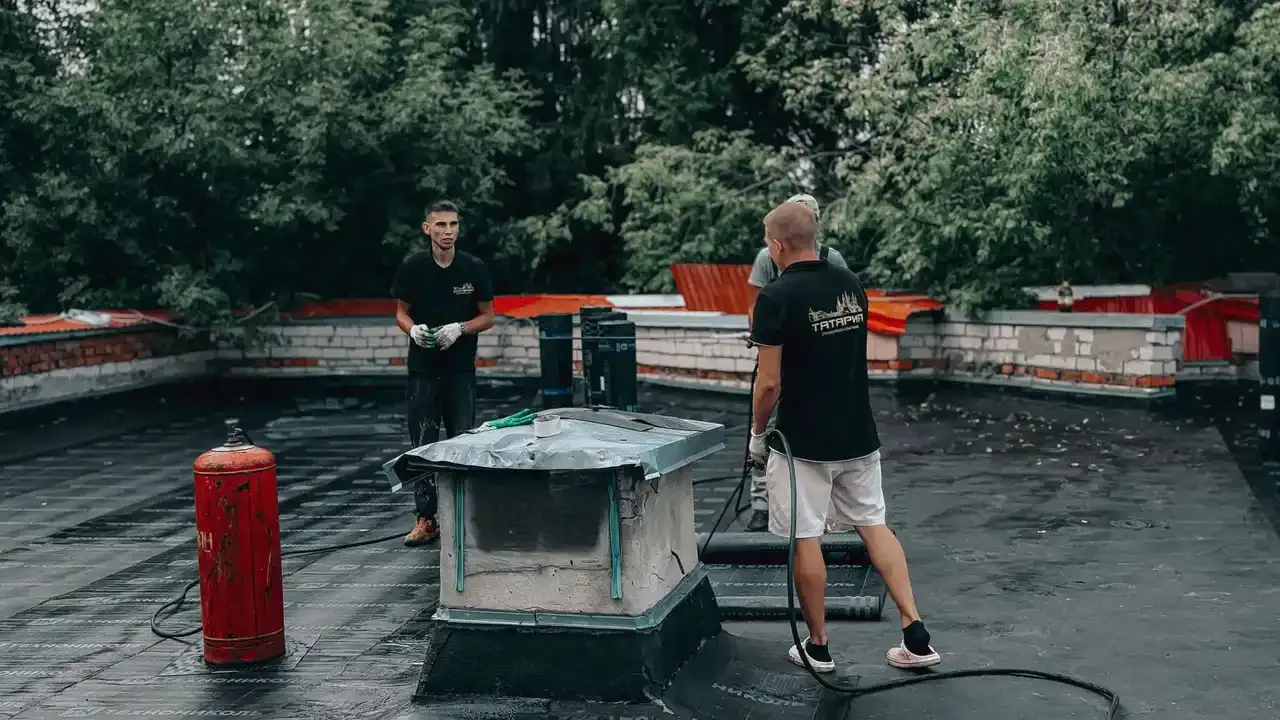
We apply the selected compatible product according to its coverage and curing instructions. The crew pays attention to edges, seams, and penetrations that have been prepared for treatment. Weather and surface conditions determine when application can proceed.
Final review and records
We review the treated area for visible gaps, edges, and drainage concerns, then share job photos and practical care instructions. You learn any product-specific curing limits and when to arrange a follow-up inspection, particularly after severe weather.
Homes and businesses.
The approach is the same for a home and a business. What changes is the access, the schedule and who needs the paperwork.
For homes
We check your roof material, flashing, and visible leak history before discussing coating. You will know which areas need repair and what preparation involves.
Recurring ceiling water stains
Worn metal roof seams
Leak concerns after heavy rain
For properties
We assess roof access, membrane seams, drains, and building operations before planning work. Property managers receive clear notes on treated sections and follow-up checks.
Low-slope roof seam wear
Ponding near rooftop drains
Coating work around equipment
Roof coating and sealing Tomball TX explained
A plain-language look at what Roof Coating & Sealing involves and when it is needed.
Roof coating and sealing Tomball TX is a roof maintenance treatment that adds a continuous protective layer to a compatible, structurally sound roof surface. We first inspect seams, penetrations, drainage, and the roof decking where accessible; then we clean and prepare the surface, repair eligible defects, and apply the selected coating at the manufacturer's specified coverage. The coating is not a substitute for replacing rotten decking or repairing a failed roof system. Correct preparation matters: trapped moisture, loose material, or an incompatible surface can undermine adhesion and shorten service life.
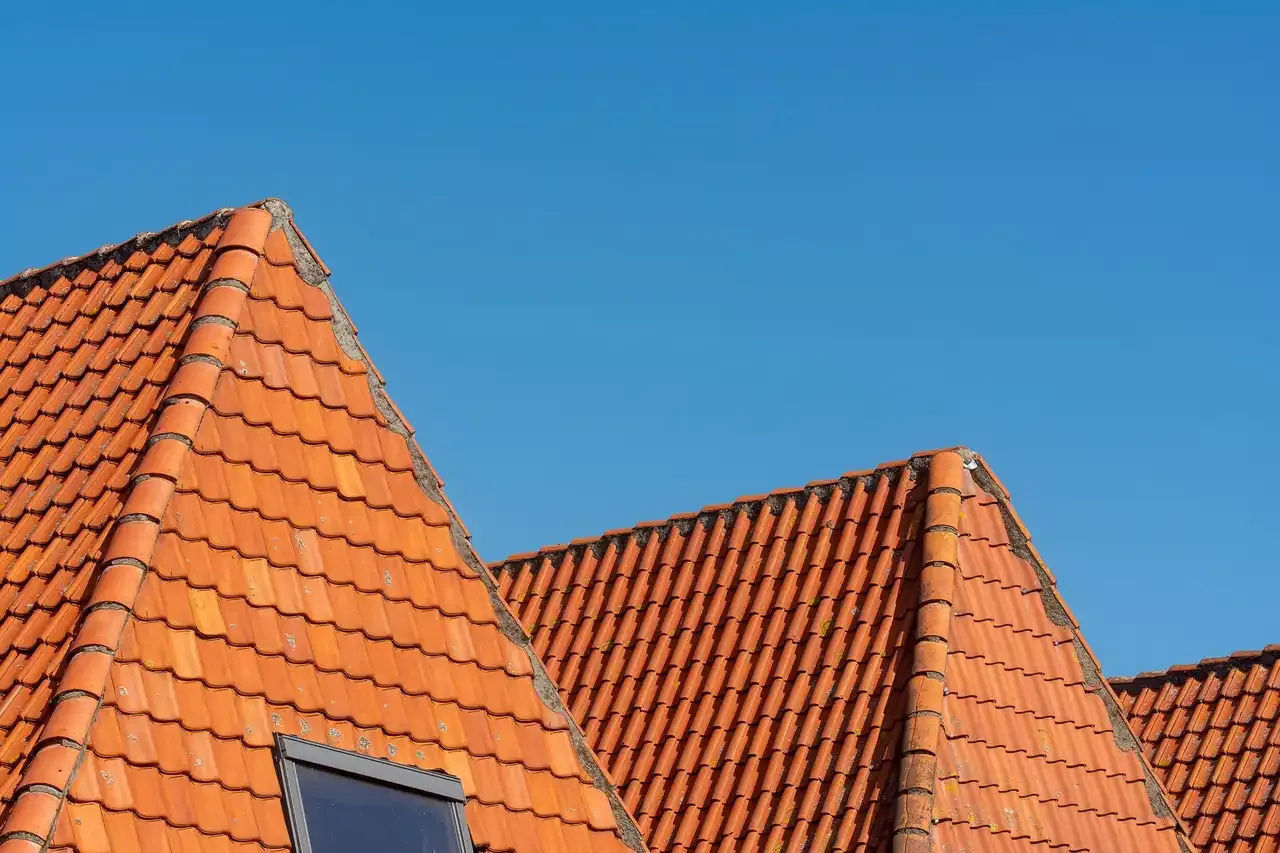
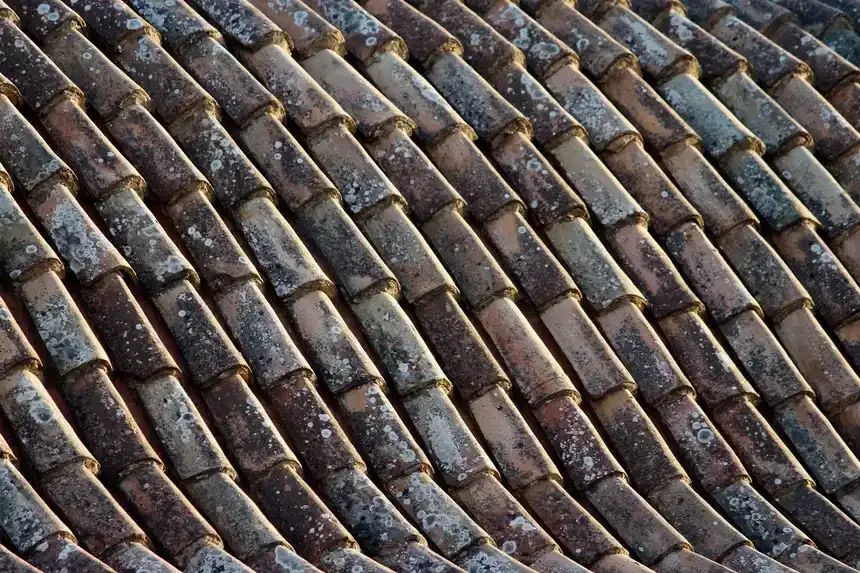
Tomball roofs face hot summers, intense rain, humidity, and periodic hail or wind, all of which expose weak seams and flashing. A coating can be useful on eligible low-slope commercial roofs and some metal systems, but asphalt shingles and tile require different evaluation and are not automatically candidates. Our Tomball roof coating and sealing assessment identifies leaks, ponding, and prior repairs before we recommend a treatment. For owners comparing roof coating and sealing cost in Tomball TX, the roof's material, access, repairs, and measured area shape the price.
A coating protects only a compatible, sound roof surface after leaks and preparation needs are addressed.
What it is
A protective layer applied to a compatible roof surface after inspection and preparation.
When needed
When an eligible roof surface shows wear but remains structurally sound and dry.
What to expect
Inspection, preparation, compatible repairs, application, and a final coverage review.
What to expect during the work
Roof coating and sealing in Tomball follows a surface-first process: inspection, repair, preparation, application, and final review. The roof material and weather determine the schedule; a straightforward small area can take one workday, while repairs or larger commercial roofs need longer.
Inspect and measure
Our team checks the roof surface, edges, penetrations, drainage, and visible interior signs such as ceiling water stains. We use a moisture meter where appropriate and measure the area to plan material quantities. You hear which sections are eligible and which need repair or replacement before coating is considered.
Inspect
Measure
Explain
Repair roof defects
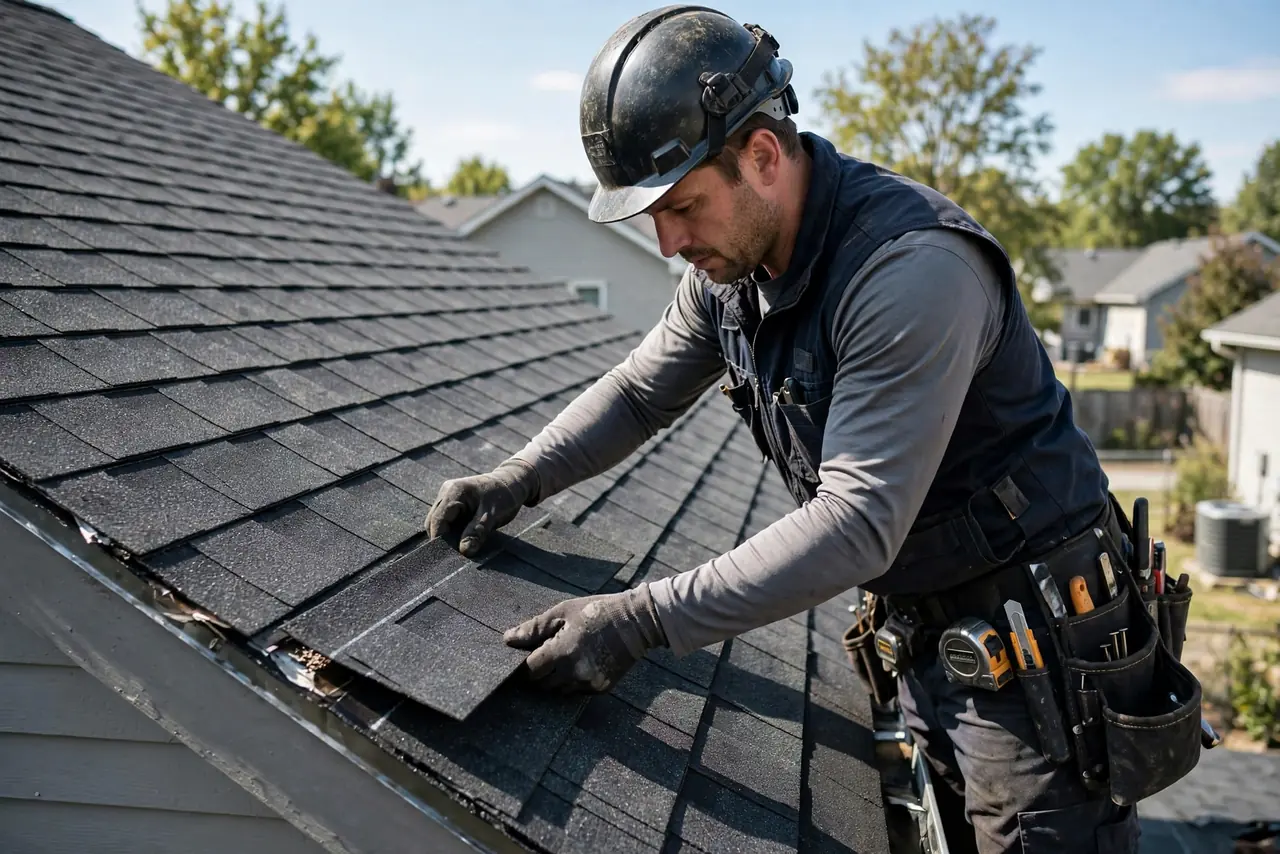
We address approved surface defects before applying a coating, including compatible seam repairs and accessible flashing issues. A roofing hammer, pry bar, or utility knife helps with targeted preparation where needed. If the roof has widespread deterioration or wet decking, we stop the coating plan and explain the repair path.
Find defects
Repair
Confirm
Clean and prepare
Loose debris, dirt, and failed coating must be removed so the new layer can bond to the substrate. We protect nearby surfaces and confirm the roof is dry enough for the selected product. Preparation time varies; a small, clean roof may take several hours, while contamination or old repairs add time.
Clean
Prepare
Dry
Apply compatible coating
We apply the specified roof coating in the required coverage and thickness, paying attention to seams and transitions. Application depends on product instructions and suitable surface conditions, including temperature and moisture limits. You will know which areas are being treated and what curing restrictions apply before the crew begins.
Apply
Follow product
Protect edges
Check and document
After application, we review coverage, edges, repaired areas, and drainage paths for visible gaps or missed transitions. We share job photos and explain any curing period or access limits stated by the product maker. Your next step is a routine inspection schedule, especially after severe storms or prolonged ponding.
Review
Photograph
Discuss care
Tools and application methods
Move across a circle, or focus it and press Enter, for an illustrative thermal view of the photograph.
Moisture meter
We use it where appropriate to investigate suspicious areas and help identify moisture concerns before a surface is sealed.
Roofing ladder
A secured access setup allows the crew to reach the roof and inspect edges, penetrations, and drainage points safely.
Fall protection harness
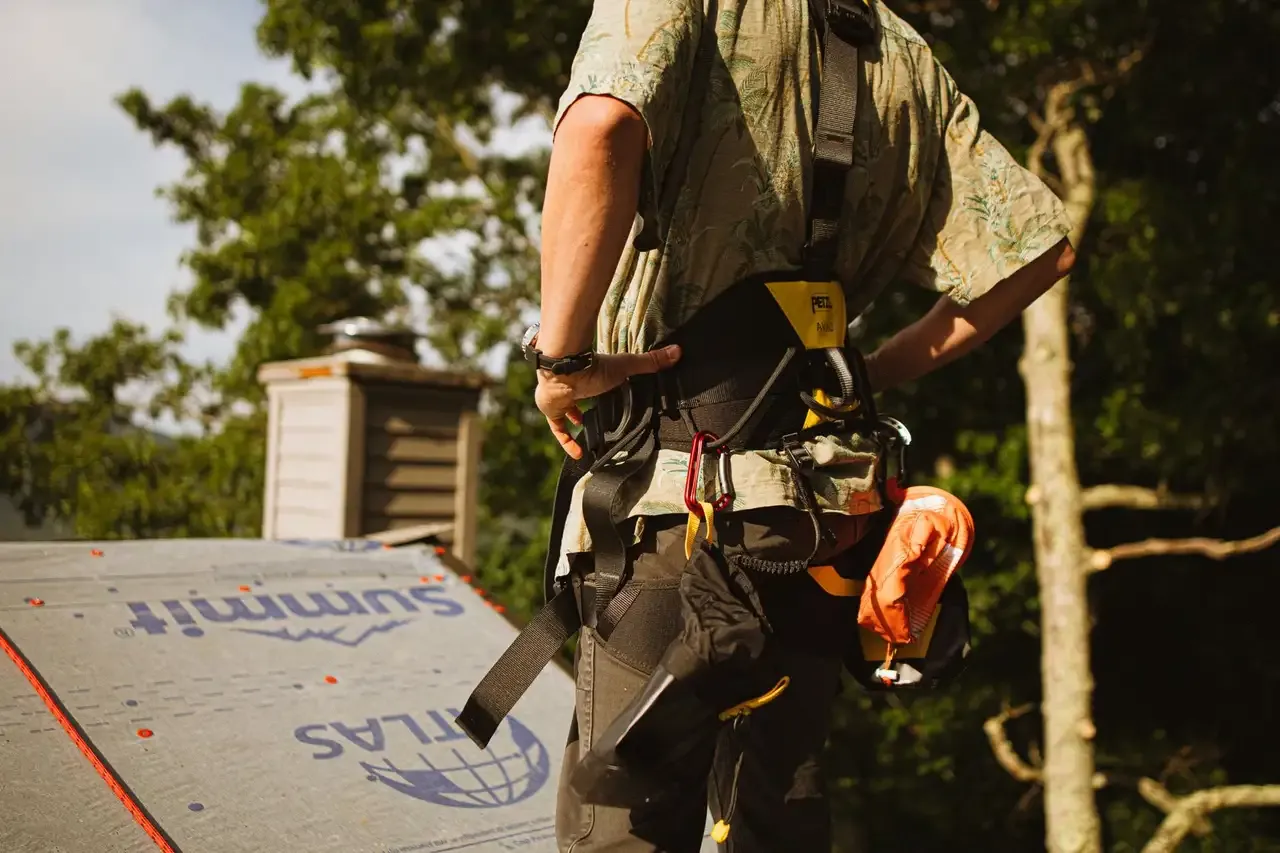
The crew uses fall protection appropriate to the roof and access conditions while inspecting and preparing elevated surfaces.
Utility knife
Used for controlled removal of loose or failed material where the roof system and repair method permit it.
Roofing hammer
Supports targeted fastening or repair work on compatible roof details before coating begins.
Thermal views are illustrative, generated from the photographs.
Methods
Substrate and moisture assessment
We check whether the roof surface is dry, stable, and compatible with the coating system. Visible leaks, soft decking, and trapped moisture change the plan. The inspection helps prevent applying a new layer over a defect that requires repair or replacement.
Manufacturer-directed surface preparation
The roof is cleaned and prepared according to the selected product's requirements. We remove loose material, allow suitable drying, and address eligible surface defects. Temperature, humidity, and rain exposure are considered against the product instructions before application.
Measured coating application
We measure eligible areas and apply the coating at the specified coverage and thickness. Seams, edges, and penetrations receive careful attention after preparation. The final review checks visible coverage and drainage, while product-specific curing guidance determines when the surface can be used.
When roof coating makes sense
Seam wear
A Tomball commercial property has a sound low-slope membrane but aging seams and surface wear.
We inspect the membrane, seams, drains, and penetrations, then check whether the substrate and existing surface accept a compatible coating. We repair eligible defects and prepare the area before application. If moisture or widespread failure is present, we explain why repair or replacement should come first.
Outcome: You get a documented treatment plan for eligible roof areas, with problem seams addressed before coating and clear notes for future maintenance.
Metal roof
A metal roof in Northpointe shows weathering around fasteners but no widespread panel failure.
Our crew checks fasteners, panel joints, corrosion, and flashing. We secure repairable points, clean the metal surface, and confirm product compatibility before coating. Damaged panels or active leaks are handled as repairs rather than hidden beneath a new layer.
Outcome: The roof receives treatment only where the underlying metal is sound, and you know which areas were repaired and coated.
Leak diagnosis
A property owner in Old Town Tomball sees ceiling stains after heavy rain and asks about sealing.
We inspect the roof above the stains and trace likely entry points around penetrations, valleys, or flashing. After repairing the source and checking for moisture, we decide whether any compatible surface can be coated. Coating is not applied over an unresolved leak.
Outcome: You get a diagnosis tied to the leak source, rather than a surface treatment that could leave water entering the building.
Maintenance planning
A building manager wants a maintenance option before replacing an eligible roof system.
We review roof age and condition, measure the surface, assess drainage, and check the manufacturer's requirements for a coating system. We explain likely preparation and repair needs, then compare coating with replacement if deterioration is extensive. The decision is based on the roof's remaining sound areas.
Outcome: You can plan maintenance around the roof's actual condition and understand what coating protects, what it does not, and when replacement is the better choice.
Old Town TomballLakewood GroveNorthpointe
How coating work runs in Tomball
Tomball's humid conditions, strong seasonal rain, and hot roof surfaces make timing and preparation important. We check the forecast and surface condition against the coating manufacturer's temperature, moisture, and curing limits rather than applying product to a damp roof.
Low-slope commercial buildings need special attention at drains and seams, while residential roofs often involve flashing, vents, valleys, and mixed materials. Our roof sealing Tomball TX assessment starts by locating the leak source and checking whether water has reached the decking.
Across Harris County, local building requirements and applicable IBC and IRC provisions guide work where relevant; we do not treat a coating as a substitute for code-required repairs. If you are considering same-day roof coating Tomball, the roof still needs to be dry, prepared, and suitable before application.
Old Town Tomball: We inspect roof transitions and older repair areas carefully, since layered patches can conceal the actual leak path.
Lakewood Grove: For homes here, we check roof edges, flashing, and drainage before deciding whether any surface treatment is appropriate.
Northpointe: We assess metal and low-slope roof sections for seam condition, moisture, and compatibility before recommending coating.
Amira: We plan access and preparation around the property's roof layout, then review penetrations and runoff paths.
Humid weather and recurring heavy rain: A roof must be sufficiently dry for the chosen product to adhere and cure as directed. We account for rain exposure and moisture before setting the application sequence, especially around seams and drains.
High roof temperatures during hot periods: Excessive surface heat can affect application and working conditions. We compare conditions with product instructions and schedule preparation and coating for a suitable window rather than applying outside the specified limits.
Walk the roof access and review visible concerns with you.
Protect nearby surfaces and prepare the eligible roof area.
Review coverage, share photos, and explain follow-up care.
From problem to finished result.
IllustrativeThe thermal view is generated from the photograph. It is not a measurement. Drag the handle, or use the arrow keys once it is focused.
Low-slope seams protected
Before: A small commercial roof had several aging seams and recurring moisture near one drain. Previous patches were difficult to distinguish, and the property manager could not tell which areas remained vulnerable. The roof had to be checked for trapped moisture and drainage concerns before any coating could be considered.
After: The crew repaired eligible seam defects, prepared the dry surface, and treated the measured compatible area. The final review documented the drain and treated transitions in job photos. The coating covered the agreed sections; it did not change the roof's age or eliminate the need for maintenance.
Check the roof after significant storms and schedule a visual review at least once a year. Keep drains clear, and report new ponding or interior staining promptly.
Metal surface renewed
Before: A metal roof showed weathering around several fasteners and joints, but the panels were largely intact. The owner wanted a sealant applied quickly. Inspection was needed to separate loose fasteners and corrosion from surface areas that could accept coating.
After: The team corrected eligible fastener and joint issues, cleaned the metal, and applied compatible coating across the measured sound sections. The closeout review checked panel transitions and edges, giving the owner a photo record of repaired points and treated surfaces.
Look for loose fasteners, new rust, or water entry during routine roof checks. Reinspect after wind-driven rain and address damaged panels before coating maintenance.
Leak source repaired first
Before: A Tomball homeowner saw a ceiling stain after heavy rainfall and assumed the roof needed a coating. The roof inspection found a flashing defect near the likely entry point. Applying coating without correcting the transition would have left the leak cause in place.
After: The flashing was repaired and the affected area checked for moisture before any compatible surrounding surface was treated. The team reviewed the finished transition and shared photos, so the homeowner could see what was repaired and what was coated.
Watch the ceiling area after heavy rain and check visible roof transitions during scheduled inspections. New staining calls for leak diagnosis rather than another surface layer.
Roof problems coating may help address
Roof coating and sealing can protect an eligible roof surface, but it works only after the cause of damage is understood. We inspect the roof and separate treatable wear from active leaks or structural problems. That distinction matters in Tomball, where heavy rain can quickly reveal an overlooked weak point.
Open seamsSmall seam openings on an otherwise sound low-slope roofRain can enter through an open seam and travel beneath the surface, causing hidden moisture or ceiling water stains before the leak is obvious. We inspect the seam, check nearby material for moisture, and repair the opening with a compatible method before coating. Then we treat the eligible surrounding surface and review the transition. If the seam failure reflects broader membrane deterioration, we explain the larger repair needed instead of treating one spot as the whole problem.
Worn fastenersMetal roof fasteners and joints showing surface wearLoose fasteners or deteriorated joints can create entry points as wind-driven rain reaches exposed roof areas and penetrations. Our team checks fasteners, joints, and panel condition, then secures or repairs defects that are suitable for localized work. We confirm the metal surface is compatible and prepared before applying coating. Corrosion or panel damage beyond a repairable area calls for a different plan.
Standing waterPonding water returning near roof drainsStanding water can stress seams and shorten the life of a surface treatment, while a blocked drain increases the risk of interior leakage during heavy rain. We inspect the drain and surrounding roof plane to distinguish a blockage from a slope or system issue. We address eligible maintenance concerns and explain drainage repairs that fall outside coating. Coating proceeds only when the surface and water path are suitable.
Repeat patchesRepeated patching without a clear leak diagnosisLayering patches over the wrong location can hide the source while water continues beneath the roof and damages interior finishes or decking. We trace likely entry points around flashing, penetrations, and seams, then inspect visible interior symptoms. Once the leak source is repaired and the roof is dry, we assess whether coating can protect the eligible area. If hidden damage is found, we explain the repair sequence first.
Practical protection for your roof
Protect eligible roof surfaces after the source of damage is addressed.
Reduce water entry
A continuous coating system can seal eligible seams and surface transitions after defects are repaired. We pay close attention to roof flashing, penetrations, and drainage paths rather than painting over an active leak. That preparation gives water fewer vulnerable points and helps you avoid repeated calls for the same minor entry point.
Extend useful service
On a compatible roof with sound decking, coating can add a protective layer without removing the entire surface. We check adhesion and material compatibility first, then explain what the treatment can and cannot do. It is a maintenance option, not a way to reset the age of a failing roof.
Manage surface exposure
Sun and standing water can wear exposed roof surfaces over time. The selected roof coating is applied at the manufacturer's coverage rate, and we document the treated area so you know what was covered. A commercial property manager can use that record to plan inspections and future maintenance.
Plan repairs clearly
A roof inspection separates coating work from repairs that need a different solution. If we find roof decking rot, open seams, or failed flashing, we identify those areas before coating. You get a practical sequence: correct the defect, prepare the surface, then protect eligible sections.
What you receive
Clear records you can keep and share.
Photo log
Images of inspected and treated areas.
Work summary
Record of completed preparation and application.
Area notes
Description of sections treated and observed.
Care notes
Product curing and follow-up reminders.
Know what coating can do
Coating protects an eligible surface; it does not replace failed decking, flashing, or a deteriorated roof system.
Surface protection
A compatible layer protects sound roof material from exposure.
Prepared dry surface
Product-matched application
Routine condition checks
Leak repair
The source of water entry is corrected before surface treatment.
Inspect seams and flashing
Repair active defects
Check moisture concerns
Replacement
A new roof system addresses widespread failure or structural deterioration.
Assess damaged decking
Review roof system condition
Plan replacement where needed
Roof surfaces and details
Metal panels
TPO membrane
EPDM membrane
Modified bitumen
Roof flashing
Roof decking
Roof drains
Roof sealant
Service ZIP codes.
A list like this tells people straight away whether you cover their street. Not listed? Call and ask: it only takes a minute.
We had a recurring leak near a roof transition and wanted to know whether coating would help. The crew checked the flashing first, repaired the problem area, and explained which surface could be treated. They showed us the work photos afterward, and we appreciated getting a real answer instead of a blanket recommendation.
Our low-slope roof had worn seams and water collecting near a drain. Tomball Roofing Experts inspected the membrane, explained the preparation, and treated the compatible sections after addressing the problem spots. The team also left us with photos and maintenance notes that made it easier to plan the next inspection.
After a storm, we noticed staining inside and asked about roof sealing. The inspection found a flashing issue that needed repair before any coating made sense. They explained the order of work clearly and did not try to coat over the leak. The follow-up check helped us understand what to watch after heavy rain.
Roof coating questions, answered
The exact price depends on roof area, material, access, cleaning, repairs, and coating type. We inspect the roof and measure eligible sections before pricing. Replacing wet decking, correcting drainage, or repairing extensive seams adds work beyond coating.
A small, prepared roof section can take one workday, while larger roofs or repair-heavy jobs can take two or more days. Cleaning and drying often control the schedule, and the coating's product instructions set the required curing time. We also consider temperature, humidity, and rain forecasts; application should not proceed when conditions fall outside the manufacturer's limits.
Choose a roof coating company in Tomball TX that inspects the substrate, explains repairs, and confirms product compatibility before application. Ask how the crew handles moisture, seams, drainage, and curing instructions. A sound recommendation starts with the roof condition, not a product pitch.
Roof coating and sealing in Tomball TX includes a roof condition check, measurements, surface preparation, eligible minor repairs, coating application, and a final visual review. The exact work depends on roof type and product requirements. Structural repairs, replacement of damaged decking, and major drainage corrections are separate repair tasks. We explain these findings before coating so you understand the complete work plan.
Roof coating and sealing Tomball TX starts with checking the roof, not guessing from the ground. Call Tomball Roofing Experts at (877) 791-3217 to discuss your roof type, leak history, and the areas you want assessed. Our team provides upfront pricing after reviewing the work needed.
Call (877) 791-3217 to discuss roof replacement, roof repair, a leak, or storm damage at your Tomball property. Our phone team can hear the details and connect your request with an independent roofing company. Contact us during regular business hours, Monday through Friday, 8 a.m. to 6 p.m.; for active water entry, describe where it is happening when you call.