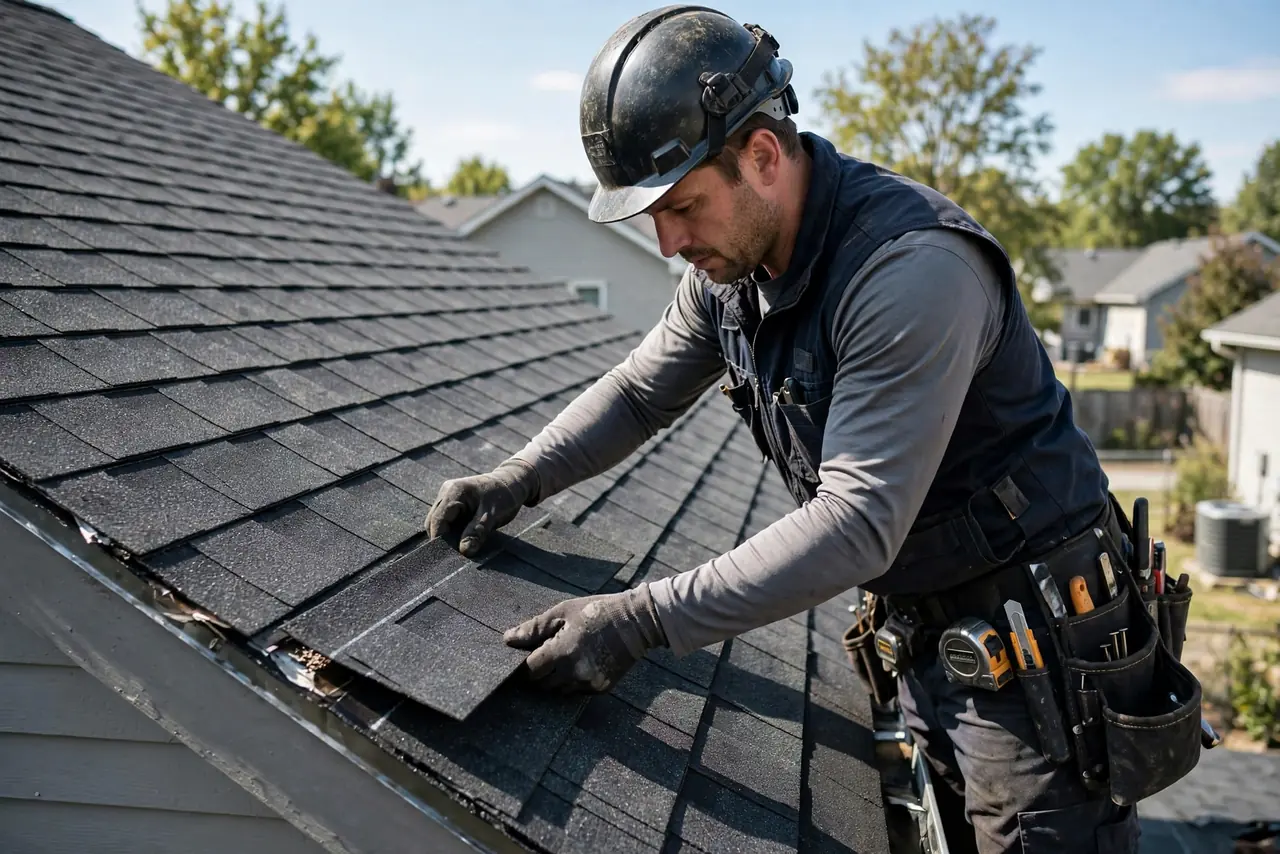
Roof valley repair Tomball TX for lasting leak control
roof valley repair Tomball TX helps homeowners and property managers stop leaks where two roof slopes channel rain toward a shared seam. We inspect the shingles, flashing, underlayment, and decking, then repair the failed layers instead of masking a stain with surface sealant. If water is showing indoors after a storm, our Tomball roof valley repair identifies the entry point and restores a controlled drainage path.
Check adjoining slopesLook for related entry points
Explain findingsConnect the leak to its source
What roof valley repair includes
Our repair covers inspection of the valley and adjacent roof surface, removal of affected shingles, and correction of failed flashing or underlayment. If we uncover damaged roof decking, we explain the condition and repair needs before rebuilding that area. The final work restores the roof covering and checks the water path. Extensive roof replacement or unrelated interior repairs are separate projects.
Valley leak inspection
We inspect the channel, nearby shingles, flashing edges, and accessible attic surfaces to locate the entry point. You see the visible signs that support the diagnosis, including lifted material, rust, water trails, or damp wood.
Careful shingle removal
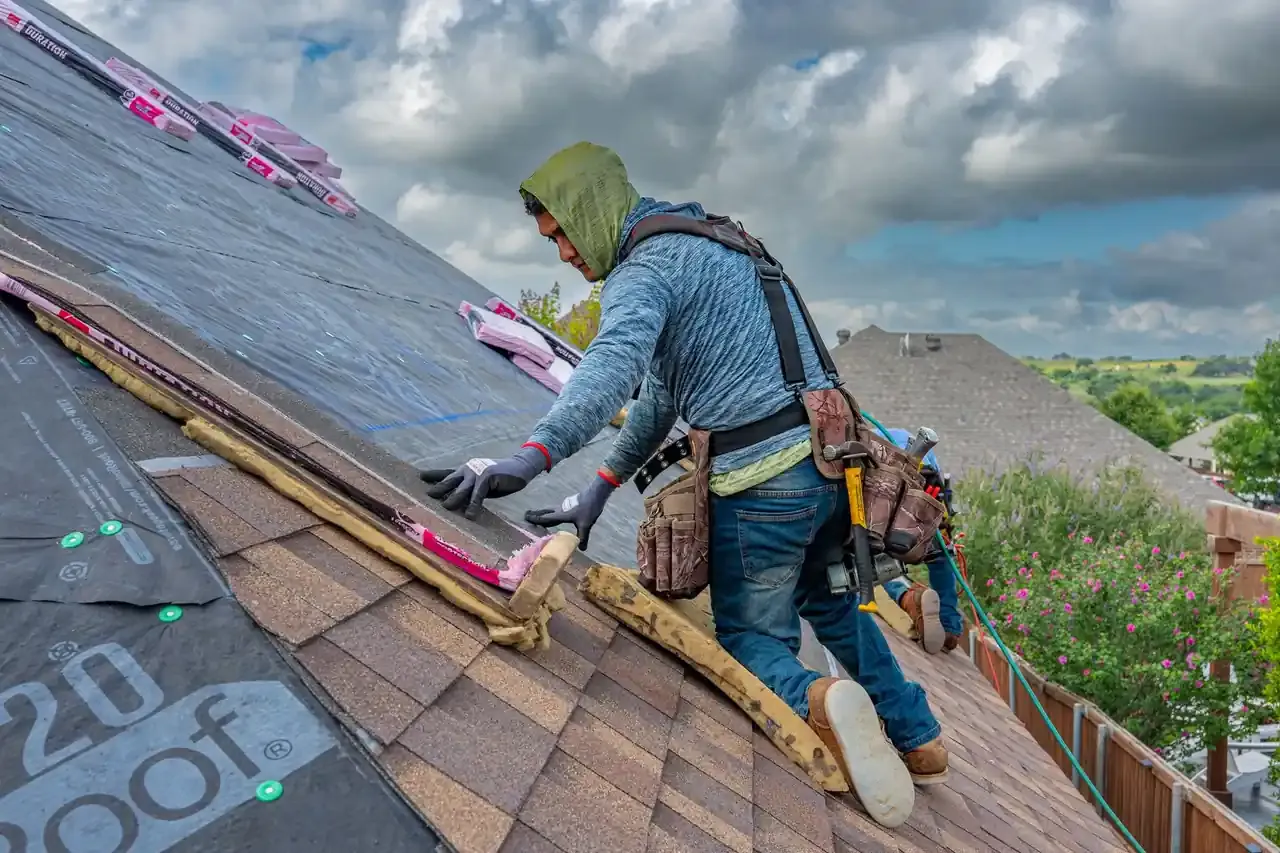
We lift only the roof covering needed to reach the failed layers, protecting sound surrounding shingles wherever practical. This exposes the flashing and underlayment without turning a localized leak into a needlessly broad opening.
Flashing and underlayment
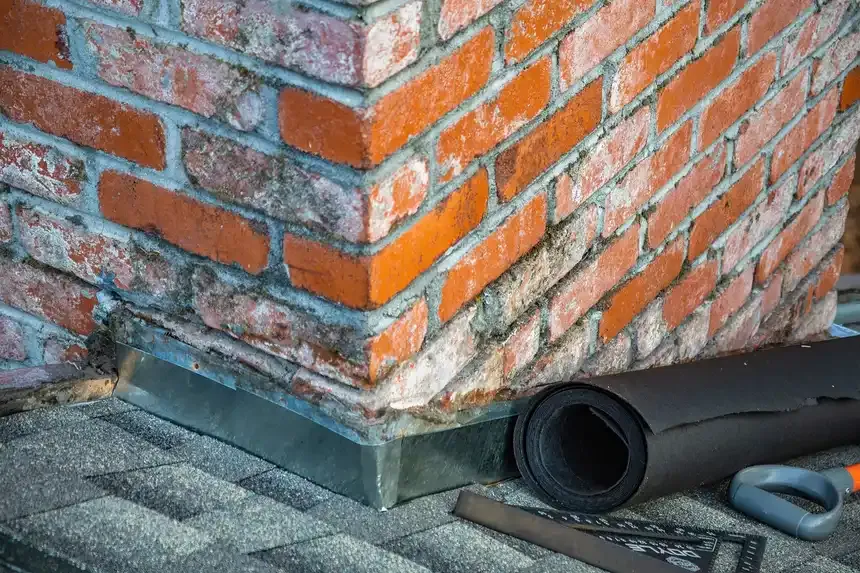
We repair or replace damaged valley flashing and underlayment, then integrate the components with the existing roof system. The goal is a continuous water-shedding assembly, not a bead of sealant over a failed seam.
Decking condition check
We inspect exposed roof decking for softness, swelling, or rot. If wood is compromised, we explain the affected area and the work required to provide a solid base for the rebuilt valley.
Rebuild and cleanup
We reinstall compatible shingles, check alignment and fastening, remove loose job debris, and photograph the finished section. You receive a plain explanation of what was repaired and what to monitor.
Homes and businesses.
The approach is the same for a home and a business. What changes is the access, the schedule and who needs the paperwork.
For homes
We trace ceiling stains and attic moisture to the roof valley, then show you which shingles, flashing, or underlayment need attention. Our crew keeps the repair focused on your home's roof assembly.
Ceiling stains after heavy rain
Damp attic insulation near a valley
Lifted shingles at roof intersections
For properties
We inspect roof transitions and drainage paths with owners and property managers, documenting the affected area before repair. You receive a clear account of the work completed and nearby conditions observed.
Recurring leak over an occupied space
Water entry near roof transitions
Storm-damaged valley or flashing
Roof valley repair Tomball TX explained
A plain-language look at what Roof Valley Repair involves and when it is needed.
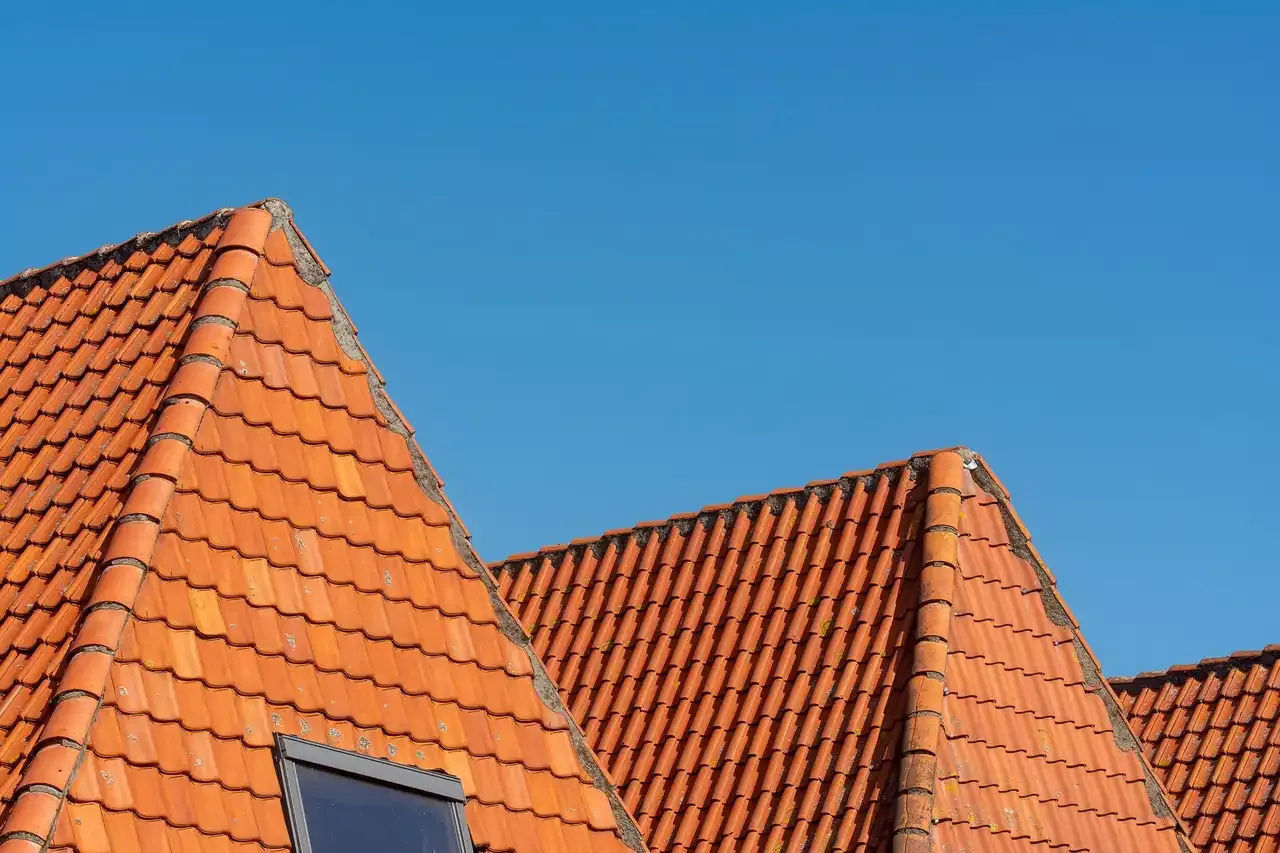
roof valley repair Tomball TX is roof repair that restores the waterproof layers where two roof slopes meet and directs runoff safely toward the eaves. We lift affected shingles, inspect the metal or woven valley detail, and check roof underlayment and decking for water intrusion. If the flashing is corroded, displaced, or poorly integrated, we replace or reset it and reinstall compatible shingles. The repair addresses the assembly beneath the visible leak, not just the ceiling stain, so water has a clear path off the roof.
Tomball homes face heavy rain, wind-driven water, and seasonal storms that can expose weak valley seams, especially where roof sections meet at different pitches. Our roof valley repair in Tomball, Texas, traces stains and damp insulation back to the roof rather than assuming the nearest shingle is the source. A homeowner asking about affordable roof valley repair in Tomball, Texas should know that prompt repairs often limit damage to shingles and underlayment before roof decking or interior finishes need work.
A lasting valley repair restores the layers that guide concentrated runoff safely off your roof.
What it means
Repairing the flashing, underlayment, shingles, or decking where two roof slopes channel water.
When needed
When leaks, lifted shingles, damaged flashing, or damp decking appear around a roof valley.
What happens
We trace the leak, open the affected area, rebuild failed layers, and check the finished channel.
Our repair process
Tomball roof valley repair starts with finding the water path, not pulling shingles at random. We walk you through the condition, protect the work area, and explain what changes as the repair is opened.
Trace the leak
We begin with your description of the leak, including when it appears and which rooms show water stains. Our roofer checks the valley from the roof and attic where accessible, using a moisture meter when the material condition calls for it. The initial inspection usually takes 30 to 60 minutes, depending on roof access and the number of leak locations.
Trace water
Check attic
Inspect valley
Open the repair
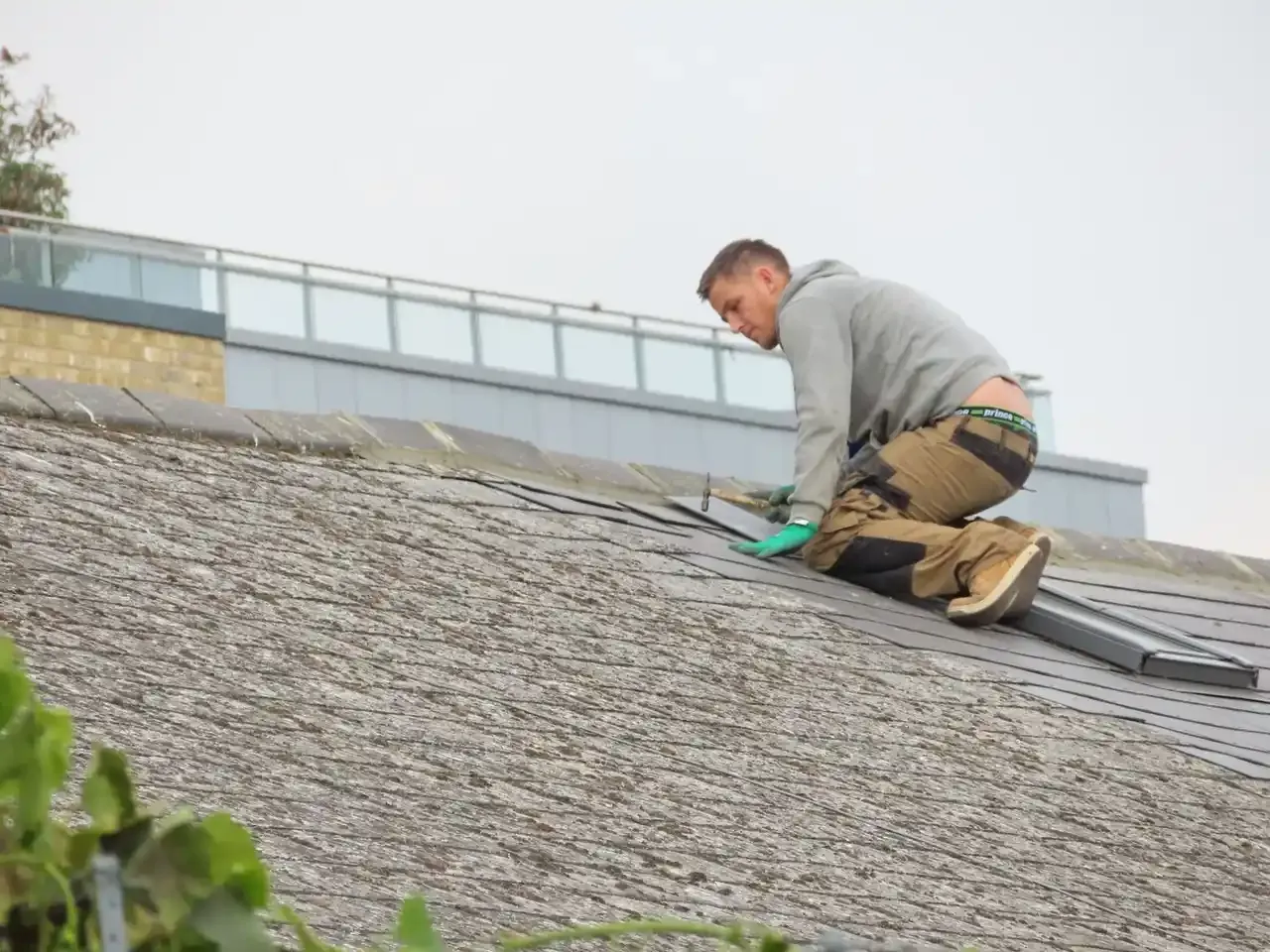
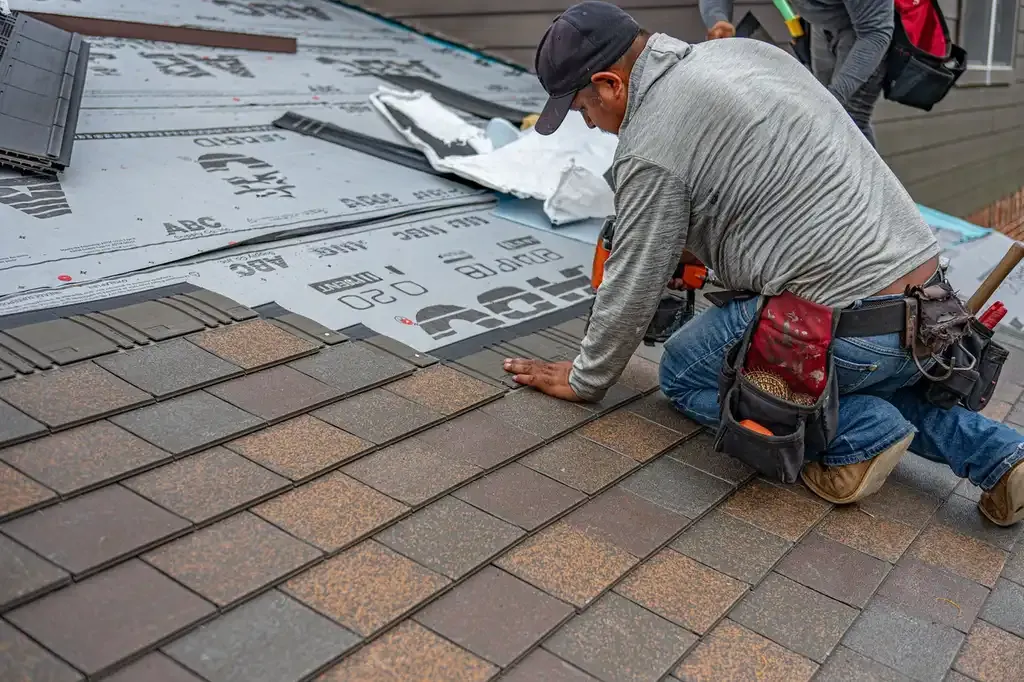
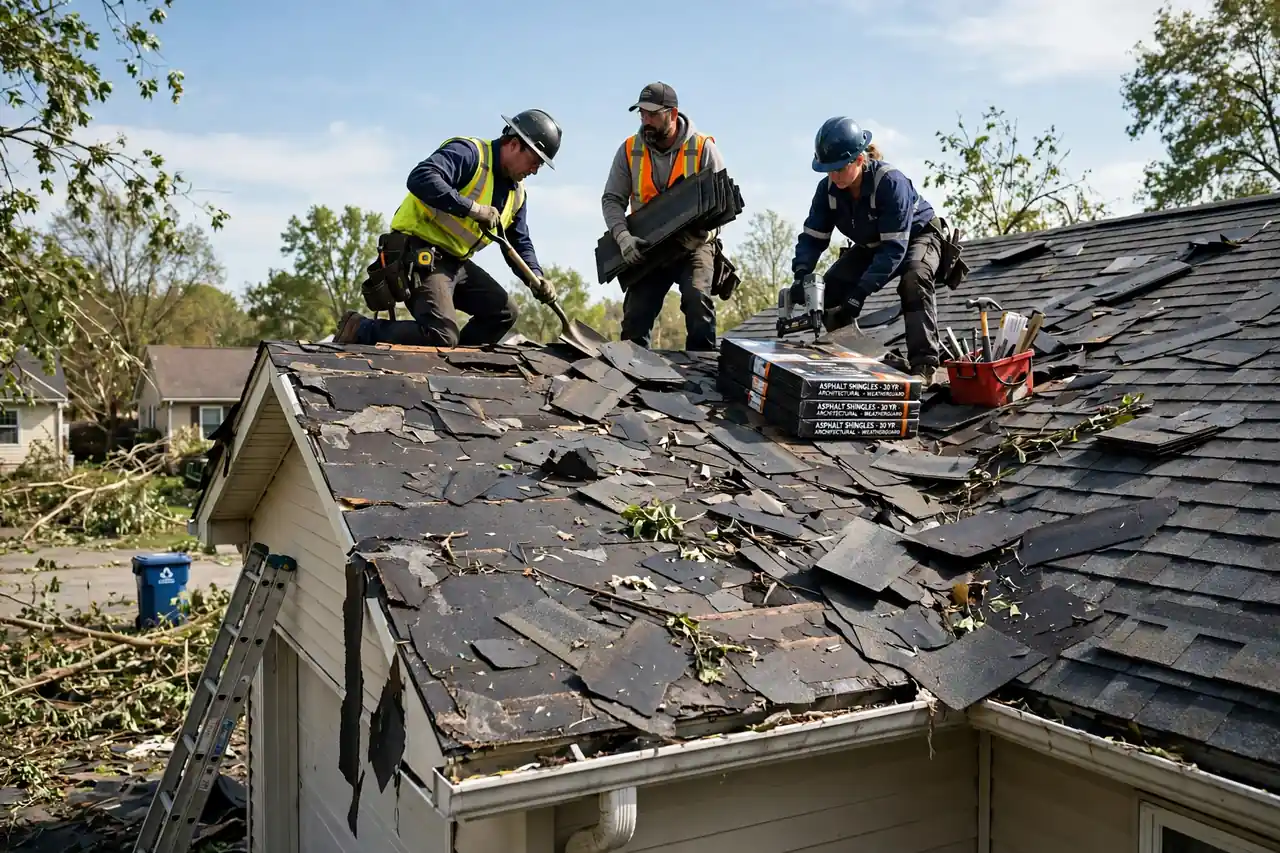
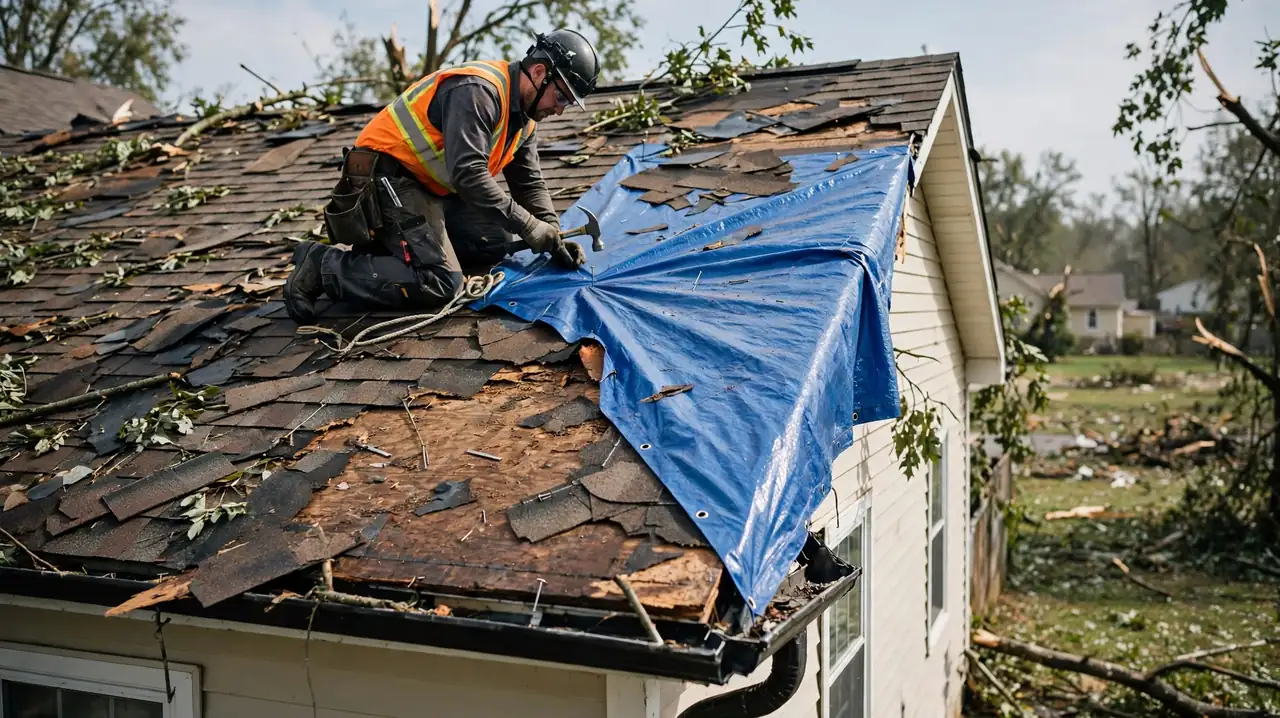
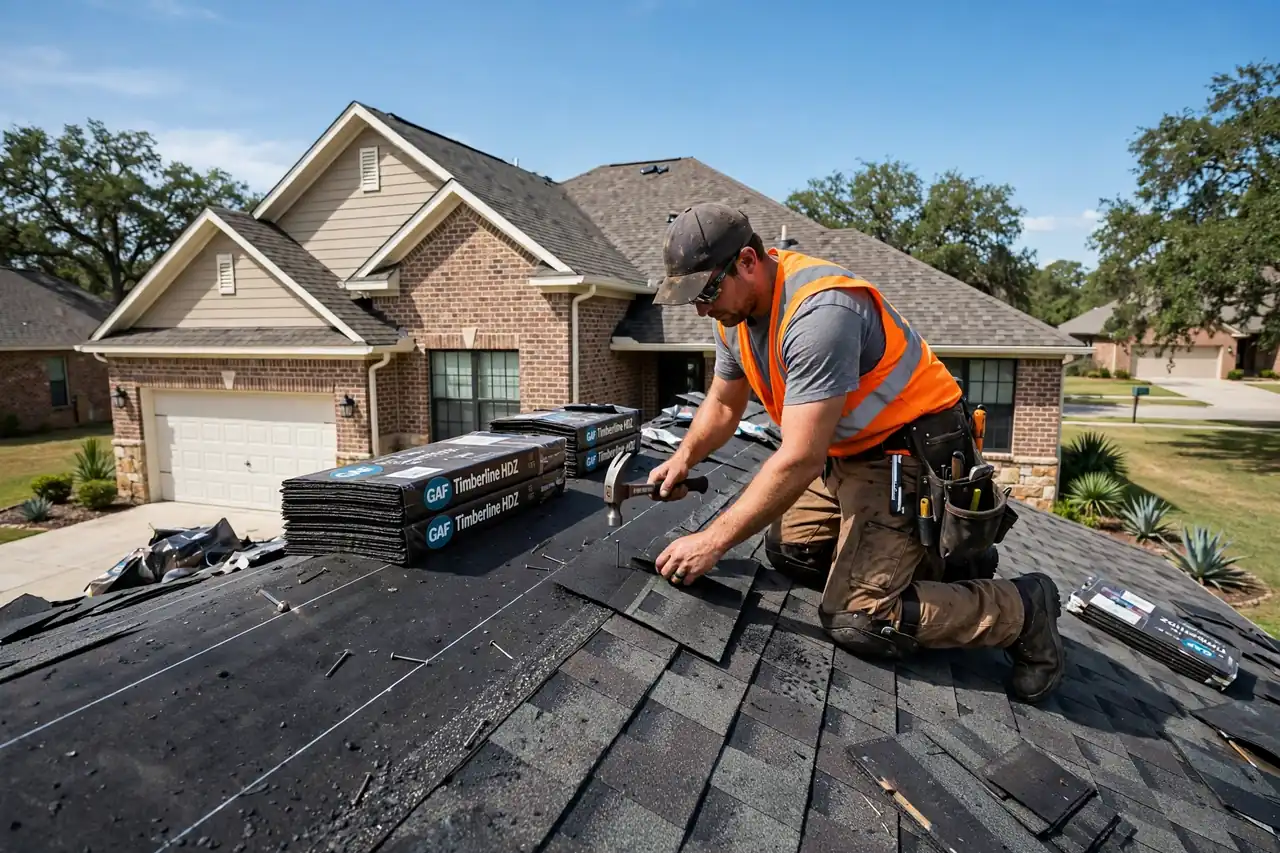
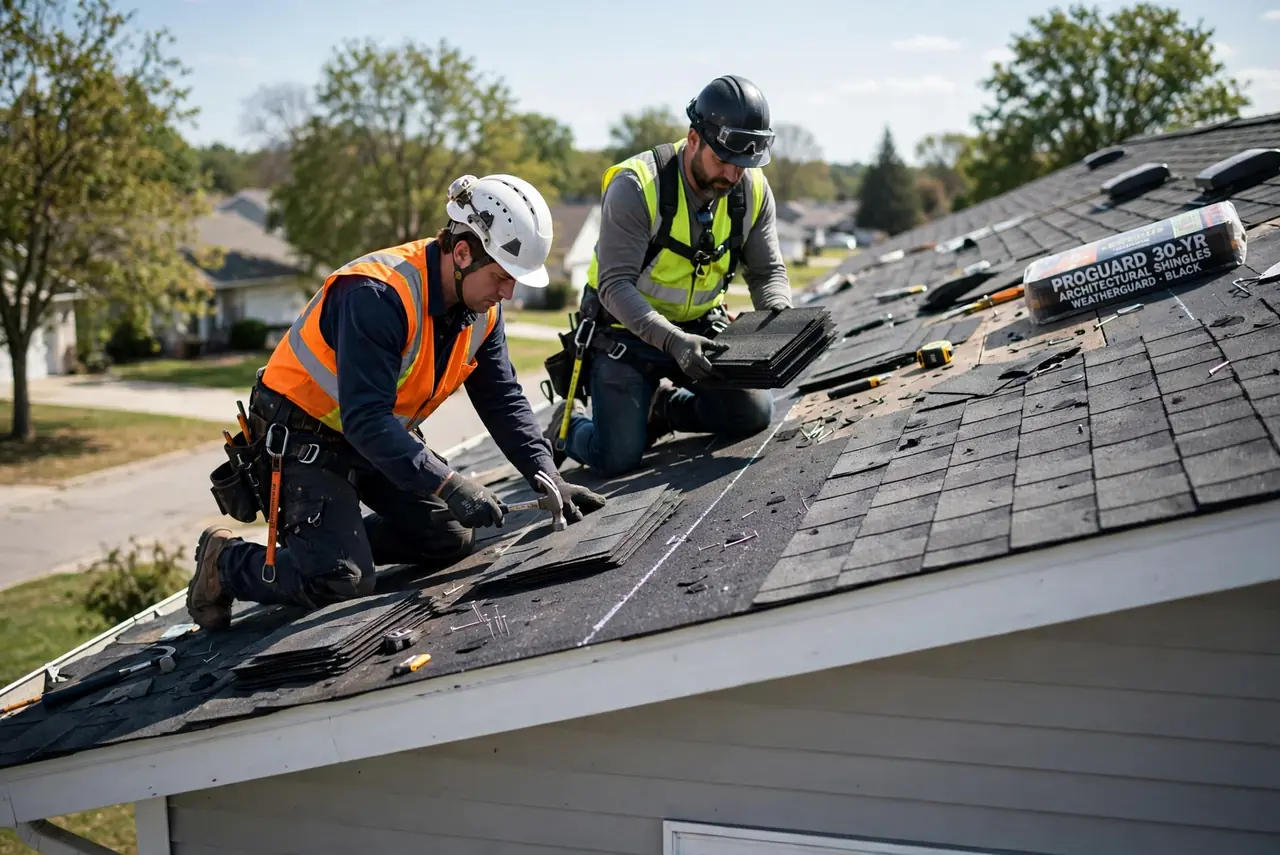
We protect nearby landscaping and remove only the shingles needed to expose the failed section. A shingle ripper and pry bar help lift fasteners without tearing sound material. Once the valley is open, we check flashing edges, underlayment laps, fasteners, and roof decking for concealed water damage.
Lift shingles
Expose layers
Check decking
Replace failed layers
We replace damaged flashing or underlayment and any unsound decking included in the agreed repair. Ice and water shield may be used where appropriate to reinforce the vulnerable channel, with the installation detail matched to the roof system. We use compatible materials and maintain the required shingle overlap so runoff remains on top of the assembly.
Replace flashing
Repair underlayment
Address wood
Rebuild the surface
We reinstall shingles in the correct sequence, secure them with roofing nails, and trim edges cleanly with a utility knife or tin snips as needed. A chalk line helps keep courses straight. The finished valley should shed water without exposed fasteners, lifted edges, or sealant serving as the primary repair.
Reset shingles
Align courses
Secure edges
Check and document
Before leaving, we inspect the repaired valley and surrounding shingles, remove loose debris, and photograph the finished work. A typical localized repair takes about 2 to 5 hours once the roof is accessible; concealed decking damage can add time. We explain what we corrected and what to monitor during the next rain.
Inspect finish
Photograph work
Explain next steps
Tools and repair methods
Move across a circle, or focus it and press Enter, for an illustrative thermal view of the photograph.
Moisture meter
We use readings in accessible roof or interior materials to help distinguish damp areas from dry surfaces and trace where water has traveled.
Shingle ripper
This tool lifts roofing nails and shingles in the repair area with controlled force, helping us expose flashing without tearing sound surrounding material.
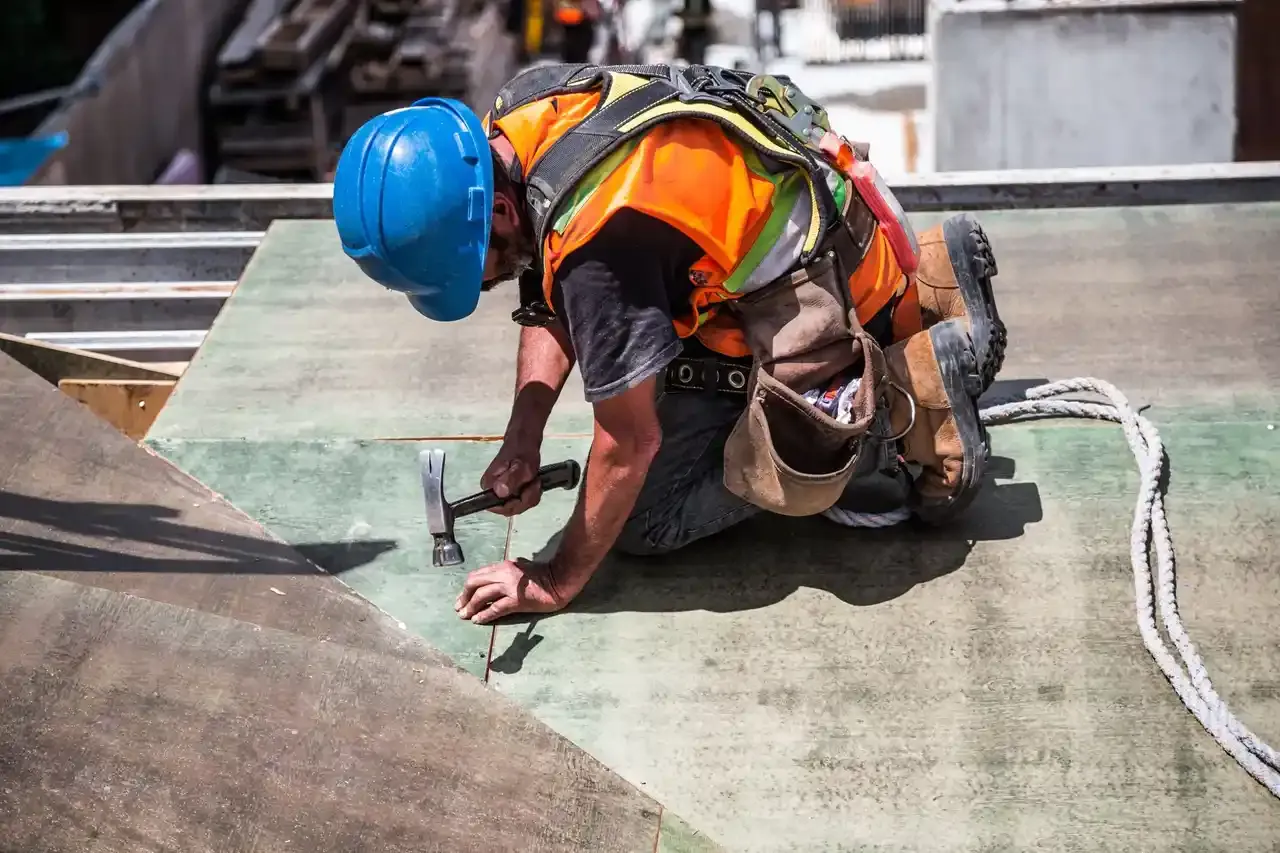
Roofing hammer
We use a roofing hammer to remove or set fasteners and secure replacement shingles without leaving raised nail heads in the drainage channel.
Tin snips
Tin snips cut valley flashing to fit the repair area cleanly, allowing edges and laps to align with the roof assembly.
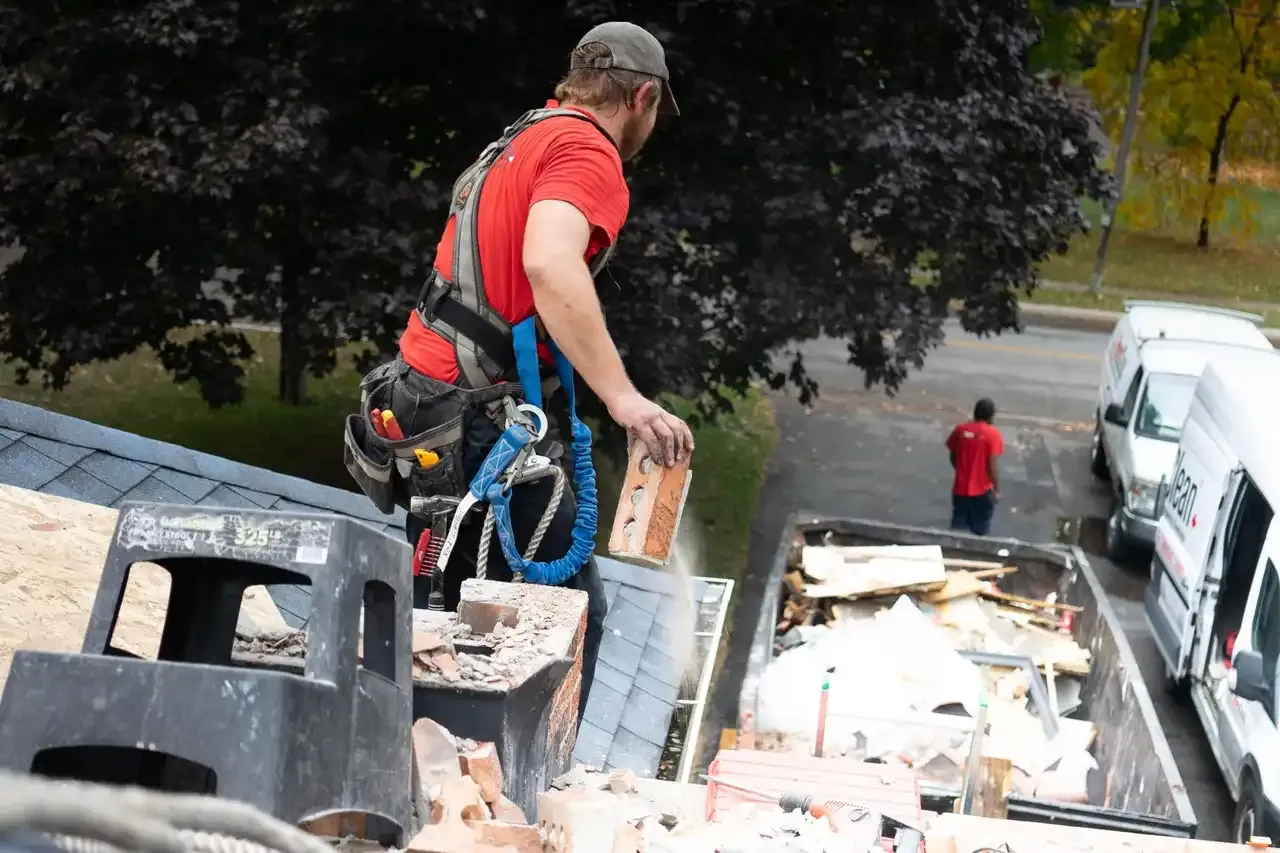
Fall protection harness
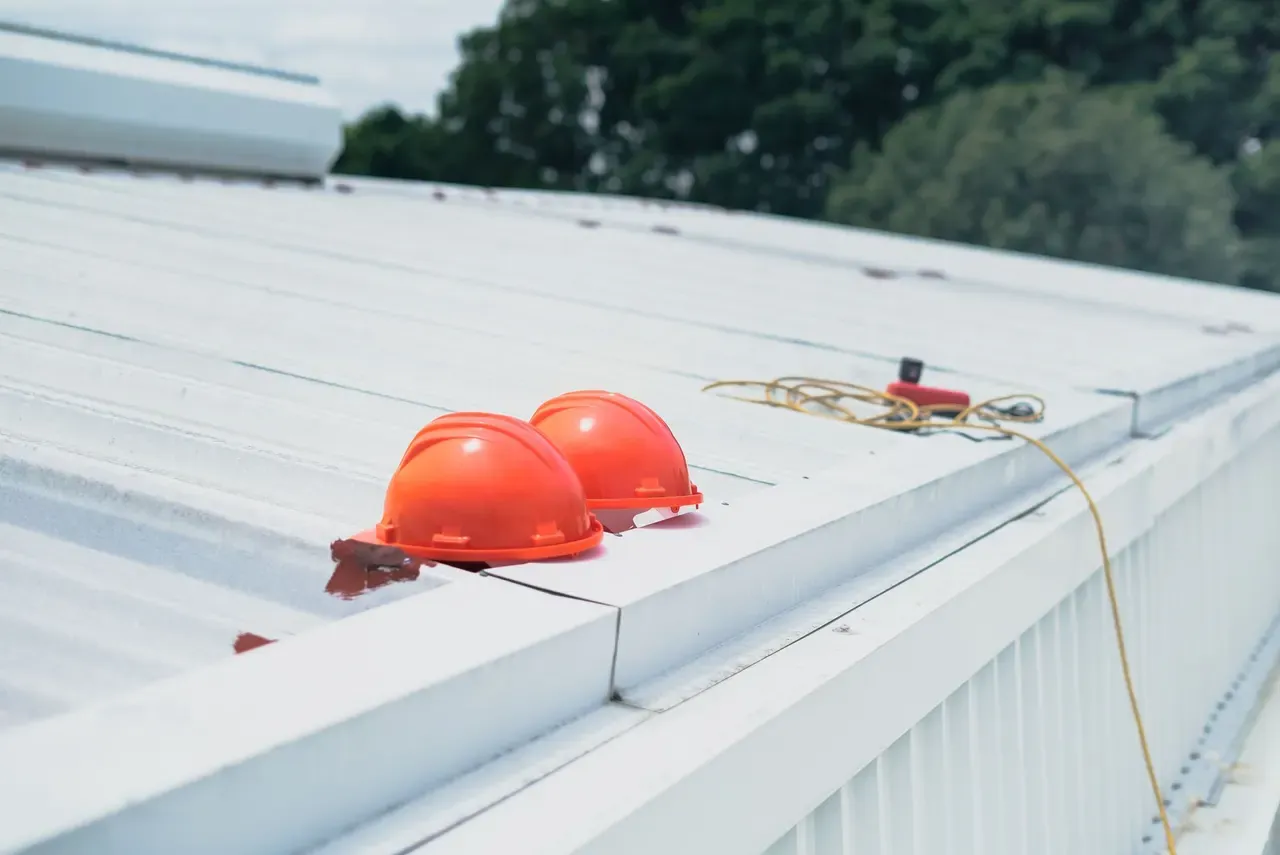
Our crew uses fall protection harnesses and suitable roof access equipment to work safely on sloped surfaces while inspecting and rebuilding the valley.
Thermal views are illustrative, generated from the photographs.
Methods
Layer-by-layer leak tracing
We compare the interior stain, attic evidence, and exterior roof conditions before opening the surface. The goal is to identify whether water passed through shingles, flashing, underlayment, or decking. This keeps the repair targeted and helps distinguish a valley problem from a nearby chimney or vent leak.
Flashing integration
We install or reset flashing so it works with the roof underlayment and shingle courses, with overlaps arranged to shed water downhill. Fasteners stay out of vulnerable water paths where the roof system requires it. We follow applicable manufacturer details and inspect transitions before closing the shingles.
Decking assessment
Once the valley is open, we check exposed wood for softness, swelling, and visible decay. Damaged sections must be corrected before new roof layers go down, because loose or wet decking can compromise fastening and keep moisture trapped beneath the repair.
Finished-channel inspection
We review the completed valley for aligned shingles, secure edges, clean drainage, and debris. We photograph the repaired area and explain any nearby conditions that were not part of the opened section, so you know what the repair covered.
When valley repair makes sense
Ceiling stain
A Tomball homeowner sees a ceiling stain after a strong rain but cannot locate water above it.
We inspect the valley and attic evidence, then follow the water trail rather than opening the roof directly over the stain. Once we find the entry point, we expose the affected layers and repair the flashing, underlayment, or decking as needed.
Outcome: You get a repair aimed at the actual source, with the affected area documented and the roof surface restored.
Wind-lifted shingles
Wind damage in Willow Creek lifts shingle edges where two roof slopes meet.
We check the valley overlap and surrounding courses for torn shingles, loosened fasteners, and exposed underlayment. We replace damaged materials and restore the shingle sequence so wind-driven rain has fewer paths beneath the roof covering.
Outcome: The valley sheds runoff through the repaired section, and you know which nearby materials also needed attention.
Damp decking
A Bridgestone property has a damp attic and soft decking beside a rusted valley seam.
We open the roof enough to assess the metal, underlayment, and wood beneath the leak. We replace unsound decking in the repair area, install the needed water-shedding layers, and rebuild the shingles around the channel.
Outcome: The new roof surface has a solid base, and the repair addresses both the visible rust and concealed moisture damage.
Recurring leak
A property manager needs a roof leak identified before another forecast period of heavy rain.
We prioritize locating active entry points and explain whether a safe temporary measure is needed before permanent work. After conditions allow, we rebuild the valley with compatible materials and provide photographs showing the repair area.
Outcome: You can document the roof condition, communicate the repair status, and reduce ongoing water exposure.
Downtown TomballAmiraBridgestone
How valley repair works in Tomball
Tomball's heavy rain and humid conditions make a small valley opening consequential: runoff from two roof slopes converges in one narrow channel. We check how the shingles, flashing, underlayment, and eaves handle that concentrated flow, then look for signs of roof decking rot or attic water damage.
Many homes have intersecting roof sections, additions, and dormers where a poorly integrated valley can leak even when the surrounding shingles look intact. Our valley flashing repair Tomball TX work accounts for the roof material and pitch rather than forcing one detail onto every home.
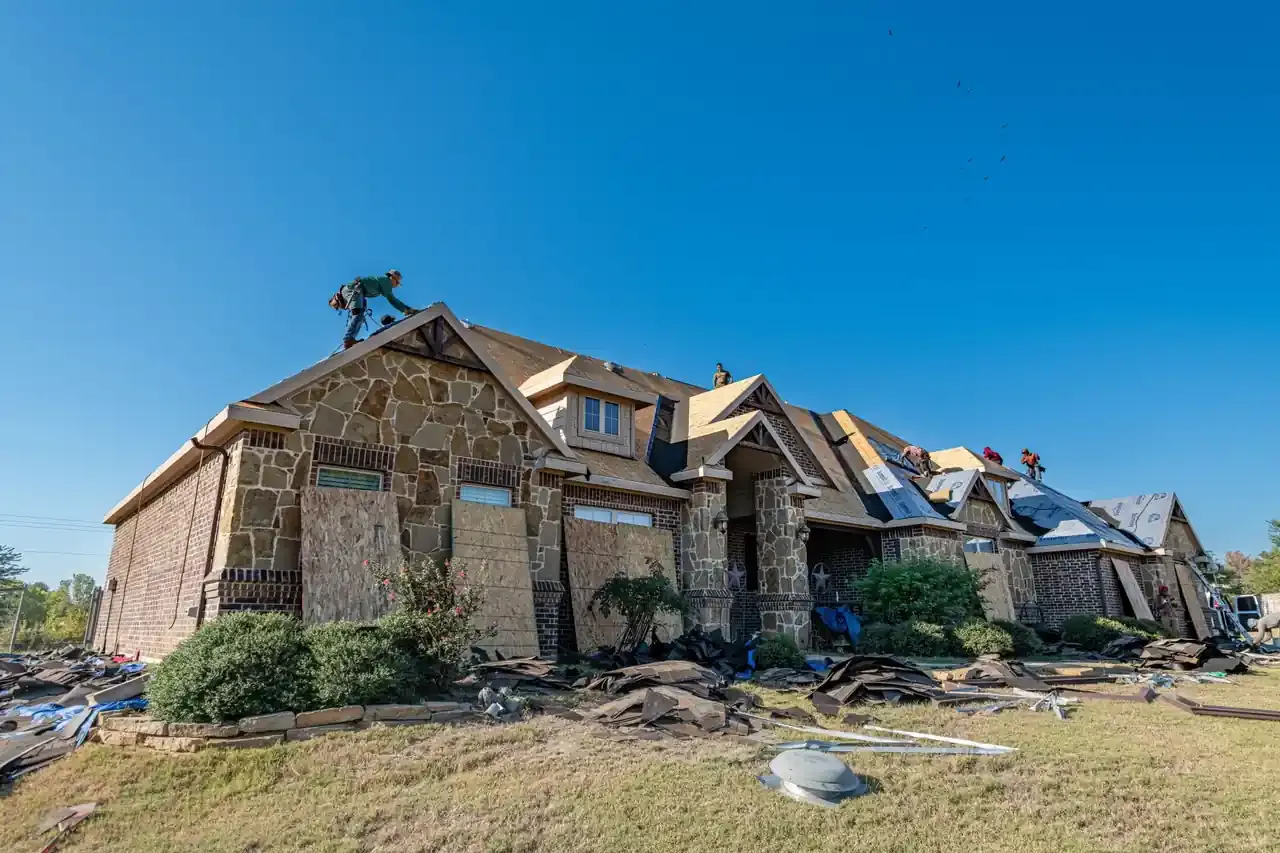
When a storm has opened the seam, same-day roof valley repair Tomball depends on safe roof conditions and the extent of concealed damage. We serve Harris County neighborhoods, including Downtown Tomball, Amira, and Bridgestone, and follow applicable local requirements and manufacturer installation instructions. You receive a clear explanation of the entry point and the repair performed.
Downtown Tomball: Older roof sections and later additions can create multiple intersecting slopes; we inspect each valley that could route water toward the reported stain.
Amira: We check the valley and nearby shingle courses for wind-lifted edges and storm-related openings that let rain reach the underlayment.
Bridgestone: Where a leak has reached the attic, we look at decking and insulation as well as the valley surface to identify how far moisture traveled.
Willow Creek: We assess runoff at the valley exit and eaves, including nearby gutter conditions that can affect how quickly water leaves the roof.
Heavy rain concentrating runoff in narrow roof valleys: A small defect can admit a large volume of water when runoff from two slopes reaches the same channel. We inspect shingle overlap and flashing edges, then restore the drainage path rather than relying on surface sealant.
Wind-driven rain following storms across exposed roof slopes: Rain pushed beneath lifted shingle edges can reach the underlayment even when the valley looks mostly intact. We check the surrounding courses and fasteners before deciding how wide the repair must be.
We walk through the leak location and explain what the roof inspection will cover.
We set up roof access and protect the nearby work area before opening materials.
We review photographs, completed repairs, and any roof conditions we observed.
From problem to finished result.
IllustrativeThe thermal view is generated from the photograph. It is not a measurement. Drag the handle, or use the arrow keys once it is focused.
Flashing leak stopped
Before: A homeowner saw a spreading ceiling stain after each heavy rain. The visible shingles looked mostly intact, but the valley contained rusted flashing and damp underlayment beneath two lifted courses. Water had begun to mark the attic side of the decking, making a surface-only patch an unreliable fix.
After: We removed the affected shingles, replaced the failed flashing and underlayment, and rebuilt roughly 6 feet of the valley. The exposed decking remained sound, so no sheathing replacement was needed. The finished channel shed water toward the eaves, and photographs showed the repaired layers before the shingles were reset.
Check the ceiling and accessible attic after the next significant rain. Keep nearby gutters clear and arrange a roof inspection if the stain returns or new shingle edges lift.
Storm-lifted shingles reset
Before: After a storm, a Tomball homeowner noticed three lifted shingle tabs beside a valley and a small damp patch in the attic. Several nails had loosened, and wind had pushed rain beneath the overlapping courses. The leak had not yet stained the living room ceiling.
After: We replaced the damaged shingles, corrected the affected underlayment lap, and inspected about 4 feet of the channel. The decking was dry and firm, allowing the repair to remain localized. The shingles were aligned and secured, and the homeowner received photos of the exposed and completed sections.
Look for fresh ceiling marks after storms and avoid walking on the roof. Keep a dated photo of the repaired area for comparison during future inspections.
Rotten decking rebuilt
Before: A recurring leak near an intersecting roof section had softened a small patch of sheathing. Previous surface sealant had not corrected the failed valley lap, and the surrounding shingles concealed wet underlayment. The repair needed to address the wood as well as the visible roof covering.
After: We removed the affected materials, replaced approximately 12 square feet of damaged decking, and installed new underlayment and valley flashing. Compatible shingles were then reinstalled over the rebuilt section. The homeowner could see the damaged wood in the progress photographs and received a clear summary of the completed work.
Monitor the repaired ceiling and attic during the next rain cycle. Keep debris from collecting at the roof edge and schedule an inspection if moisture or musty odors return.
Roof valley leak problems we solve
A valley concentrates runoff, so a small opening can send water beneath several roof layers. If you are comparing roof valley repair cost in Tomball TX, the amount of concealed damage is a major factor. We locate the failure and explain the repair path.
Rain stainWater stains appearing below a roof intersection after heavy rainRepeated moisture can damage ceiling finishes, insulation, and framing while the actual entry point stays hidden several feet away. We trace the stain back through the roof assembly, inspect the valley and accessible attic, and open the affected shingles to find the source. We replace failed flashing or underlayment and check the decking before rebuilding the surface. You get photographs that connect the visible indoor symptom to the roof repair.
Rusted flashingRusting or displaced valley flashing beneath lifted shinglesA gap lets concentrated runoff cross the flashing edge and soak the underlayment, particularly during wind-driven rain or extended storms. We lift enough shingles to assess the full damaged section, remove failed metal, and install compatible flashing with proper overlap. We reset shingles so they protect the channel without blocking drainage. If adjacent materials are deteriorated, we explain those findings before closing the repair.
Soft deckingSoft or dark roof decking exposed near the valleyWet or decayed sheathing cannot reliably hold fasteners, and leaving it in place can cause the repaired shingles to loosen again. We remove the affected roofing layers and assess the exposed wood. Unsound decking is replaced as needed to create a solid base, followed by underlayment, flashing, and shingles installed in sequence. We photograph the open area so you can see why the repair extended beyond the original leak mark.
Failed patchRecurring leaks after surface sealant was appliedSealant over a failed lap can trap water or peel away, leaving the underlying valley defect active through another rain cycle. We remove the ineffective patch where needed and inspect the layers beneath it. The repair corrects the failed overlap, flashing, or underlayment instead of depending on surface coating alone. We then check surrounding shingles and runoff direction to reduce the chance of the same entry route returning.
What a sound valley repair delivers
A rebuilt valley directs runoff away from roof layers and interior spaces.
Stop water at entry
We open the affected area far enough to find whether the failure is in shingles, roof flashing, or underlayment. Rebuilding the vulnerable section rather than coating its surface helps stop roof leaks before water reaches insulation, ceiling drywall, or framing. You get a repair matched to the visible damage and the actual path of entry.
Protect roof decking
Moisture trapped below a valley can soften roof decking and spread beyond the original stain. We check exposed wood for swelling, softness, and discoloration before closing the repair. Finding damage early helps keep the job focused on the affected section instead of allowing a small flashing leak to become a larger structural repair.
Improve runoff control
A valley must carry concentrated rainwater without letting it cross beneath shingles. We restore the channel, shingle overlap, and edge transitions so runoff reaches the eaves. Proper alignment matters during intense Texas rain, when a narrow opening or raised shingle can send water sideways into the roof assembly.
Know what was repaired
We explain the failure, show you the affected area, and document the completed work with photographs. You can see whether the repair involved flashing, shingles, underlayment, or damaged decking. That record also gives you useful reference points during future roof inspections after hail or wind damage.
What you receive
Clear records you can keep and share.
Photo record
Images of exposed layers and completed repair
Repair summary
Plain description of work performed
Material notes
Record of the roofing materials used
Site notes
Observed conditions near the repaired area
Repair or broader roof work
A single failed valley can be repaired locally; widespread wear or repeated leaks may point to a larger roof condition.
Localized repair
A limited defect with sound surrounding roofing.
One valley section affected
Adjacent shingles remain serviceable
Decking is sound
Layer rebuild
Flashing or underlayment failure beneath the roof covering.
Open the affected courses
Replace failed layers
Restore drainage overlap
Broader evaluation
Multiple failures or extensive wear across the roof.
Check adjoining slopes
Look for repeated leak paths
Compare repair areas
Roof materials
Asphalt shingles
Roof flashing
Roof underlayment
Roof decking
Ice and water shield
Metal panels
Valley channel
Shingle fasteners
Service ZIP codes.
A list like this tells people straight away whether you cover their street. Not listed? Call and ask: it only takes a minute.
Water showed up in the hallway after a hard rain, even though the stain was several feet from the roof valley. The crew opened the shingles, found a split in the flashing, and showed me photos of the wet underlayment. They rebuilt the section and cleaned up the shingle scraps. The next rain left the ceiling dry.
After wind lifted shingles near the valley, we noticed a musty smell in the attic. The roofer checked the decking instead of just nailing the shingles back down. They replaced the damaged underlayment and a small patch of wood, then explained what to watch during the next storm. The repair took most of the morning.
A recurring leak had affected a room below an intersecting roof section. The team traced it to the valley and found that the shingle overlap had opened near the eave. They repaired the channel, photographed the finished work, and pointed out a gutter blockage that was slowing runoff. We now have a clear repair record.
Roof valley repair questions
Replacing a small flashing section costs less than rebuilding multiple feet of valley with damaged decking. These are typical 2026 pricing ranges, not a quote for your roof. We inspect the affected area, explain the repair, and provide upfront pricing before work proceeds.
Most valley flashing repairs take about 2 to 5 hours once roof access is established. A larger repair with wet underlayment, multiple shingle courses, or damaged decking can take a full workday or require a return visit. We first expose the failed area, then explain any concealed conditions before rebuilding the valley. Weather and safe roof conditions also affect when the work can be completed.
Choose a Tomball roof valley company that opens the affected area, checks the underlayment and decking, and explains how the repair restores drainage. Ask whether the roofer will document the exposed damage and use materials suited to your roof covering. We show you the leak path and the repair area, then discuss the work in practical terms. A clear diagnosis matters more than a surface patch.
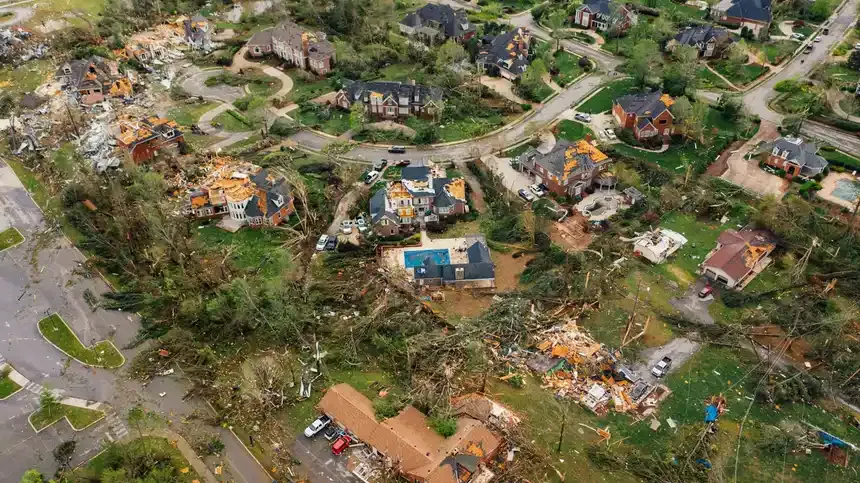
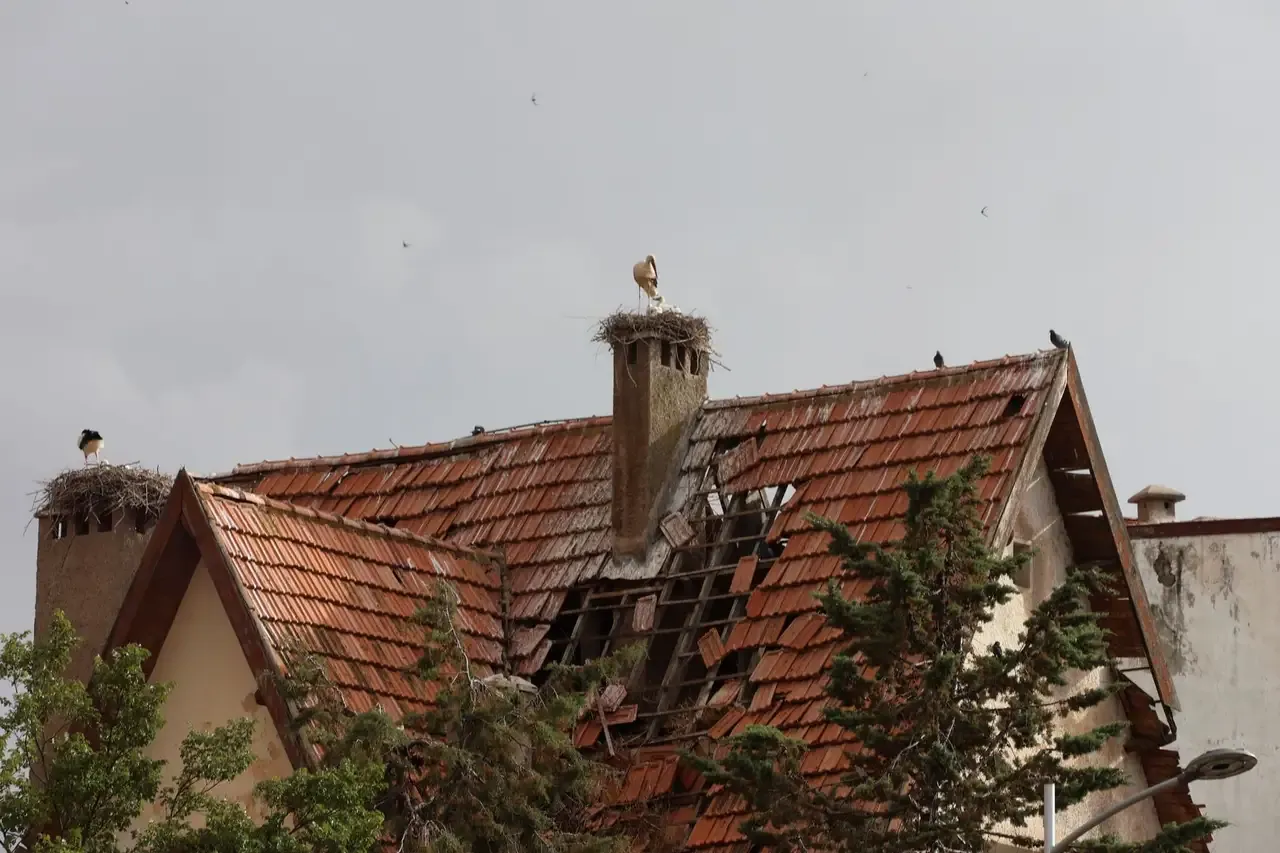
Roof valleys leak when flashing, shingle overlap, underlayment, or decking fails and lets concentrated rainwater beneath the roof covering. Wind-driven rain, lifted shingles, old fasteners, and storm damage can open the route. A ceiling stain may appear away from the entry point because water travels along decking before dripping. We inspect the valley and adjacent roof sections to locate the source before recommending a repair.
A fresh ceiling stain or dripping valley deserves a proper roof inspection before the next heavy rain. Call Tomball Roofing Experts at (877) 791-3217 to explain what you see and arrange the next step. We provide upfront pricing before repair work proceeds.
Call (877) 791-3217 to discuss roof replacement, roof repair, a leak, or storm damage at your Tomball property. Our phone team can hear the details and connect your request with an independent roofing company. Contact us during regular business hours, Monday through Friday, 8 a.m. to 6 p.m.; for active water entry, describe where it is happening when you call.